Catalog All books
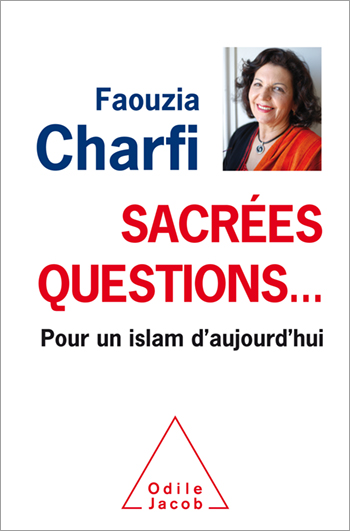
Fouazia Farida Charfi
Sacred Questions A modern and re-imagined Islam
1.The two chapters on Islam explain in easy terms, accessible to all, the essentials of Islam and the reflections of the great Arab thinkers on the texts. A feminine point of view, modern and updated, on Islam: religious education, the meaning of the veil in Tunisia, observing Ramadan… A scientist and Secretary of State in 2011, Farida Faouzia Charfi is a major figure in Tunisian political life.
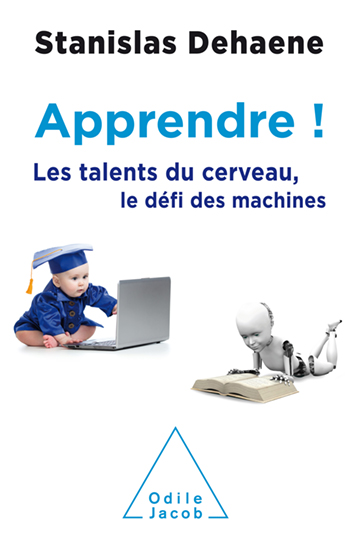
Stanislas Dehaene
Learn
A clear and precise explanation of the essential mechanisms that make our brain the most efficient tool for learning that we know of today...
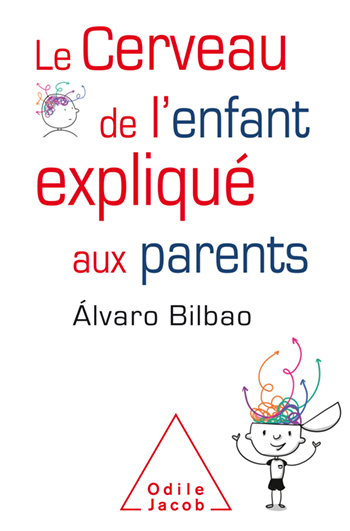
Alvaro Bilbao
The Child's brain explained to parents
This educational manual, written by a neuropsychologist, explains everything parents can do to promote their child's brain development. Practical and educational advice that acts positively to help him/her acquire good intellectual and emotional skills.
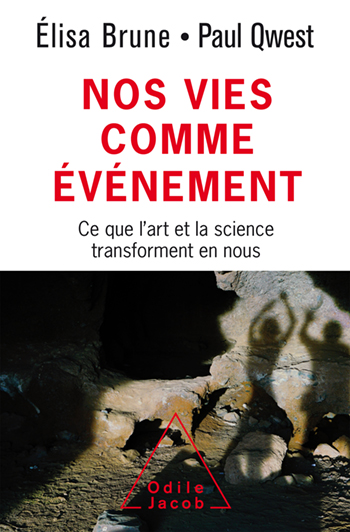
Élisa Brune, Paul Qwest
Life as an Event What Art and Science Expand in Us
In this final book, Élisa Brune and Paul Qwest share a reflection that is as rich as it is stimulating on our relationship with knowledge. A reflection based on 66 strokes of genius in the arts and sciences.
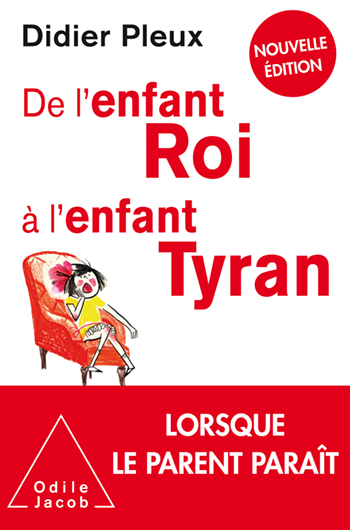
Didier Pleux
From the Child as King to the Child as Tyrant
Clearly presented advice to help parents develop their good child-rearing sense. The very great clarity and consistency of Didier Pleux’s thinking.

Fanny Nusbaum
The Secret of High Performers
Psychology and neuroscience as scientific support for a new understanding of high performance, by an author who is both a clinician and a researcher.