Catalog All books

Antonio R. Damasio
Descartes' Error Emotion, Reason, and the Human Brain
Being rational is not denying oneself emotions. The brain which thinks, calculates, and makes decisions is not a different entity to the one which laughs, cries, loves, and experiences pleasure and annoyance. The heart has reasons that reason itself is far from being ignorant of. In opposition to the old Cartesian dualism and to all those who wish to reduce the functioning of the human mind to detached calculations worthy of a supercomputer stands the results of the latest neurological research : the absence of emotions and sentiments prevents us from being really rational. Antonio R. Damasio heads the department of neurology at the University of Iowa, in the United States, and teaches at the Institute of Biological Studies of La Jolla.

Uta Frith
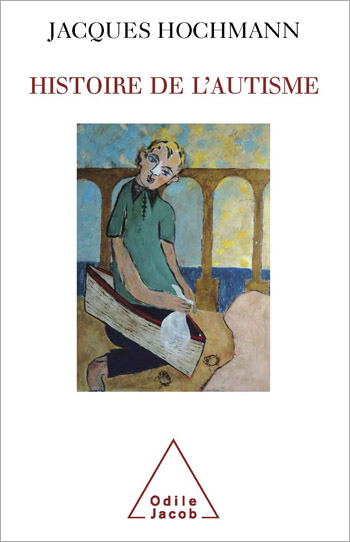
Autism: Explaining the Enigma
Why do certain children live walled in by silence, cut off from the world and others? For the first time, this book offers a general theory on autism, a profound disorder in cognitive development rather than one resulting from family conflict or an attention deficit. Uta Frith is a psychologist and member of a cognitive development study group at the Medical Research Council of Cambridge.

Jean Guilaine
Protohistory The Awakening of the West (7000-2000 BCE)
An original, in-depth, richly-documented study of menhirs and dolmens, of the “religion” of the people of the Neolithic, of the origins of political power, and of the organization of social hierarchy

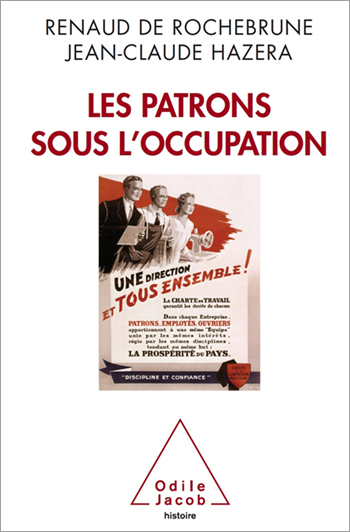
Renaud de Rochebrune, Jean-Claude Hazera
Business Leaders During the Occupation
How were Jewish companies altered to become Aryan ones and what was the role of French administration? Who did illegal profits and how?A fascinating document written by two journalists.
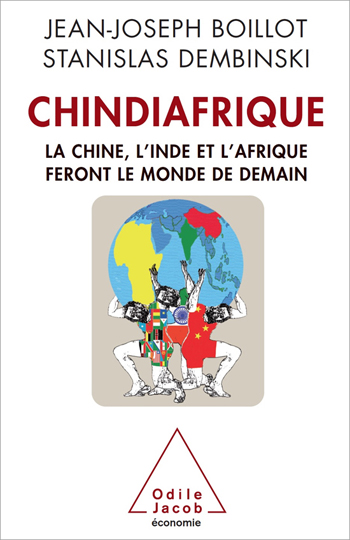
Jean-Joseph Boillot, Stanislas Dembinski
Chindiafrique The Three Giants That Will Make Tomorrow’s World
An indispensable essay on future economic trends for anyone wishing to understand tomorrow’s world
Juan Luis Arsuaga
The Neanderthal Necklace Our Ancestors of the Ice Age
The conflict between Neanderthal man and Homo Sapiens during the European Ice Age is told here by Juan Luis Arsuaga, one of Europes most eminent pre-historians. Why did the stronger, better adapted Neanderthal become extinct, while our ancestors flourished? How can this critical phase in human development be explained? The tragic story of the extinction of this species so like and yet unlike our own can help us to understand our human strengths and assets. It would seem that we are here because Neanderthal man is dead... Juan Luis Arsuaga is a professor of palaeontology at the University of Madrid and a lecturer at University College London.