Catalog All books

Michel Cassé
The Void and Eternity
A synthesis of current cosmological theories, by one of the greatest astrophysicists of our time

Conseil franco-britannique, Giles Radice, Jacques Viot
A Century of the Entente Cordial Franco-British Council
The publication of this book commemorates the centenary of the signing of the Entente Cordiale, a key date in Anglo-French relations. T
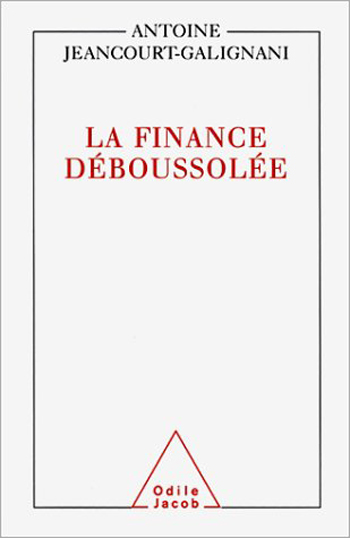
Antoine Jeancourt-Galignani
Disorientated Finance
This book analyses the events that shook French and international finance during the last twenty-five years of the twentieth century. In a straightforward style, eschewing all clichés, the author shows why Pierre Bérégovy was instrumental in bringing about the revolution in French finance, how Edouard Balladurs closest followers created a caste which is now in control of upper management, and how they prevented the creation of pension funds in other words, how they prevented the realisation of the Gaullist dream of participation and finally, how and why U.S. banks have managed to take over financial control of large French businesses. Antoine Jeancourt-Galignani is now chairman of the board of directors of GECINA.
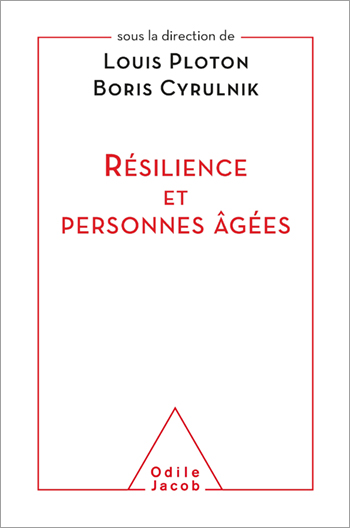
Louis Ploton, Boris Cyrulnik
Resilience and Ageing
By learning to accept renouncement we can aspire to a more contented old age: an approach to ageing that overturns many received ideas
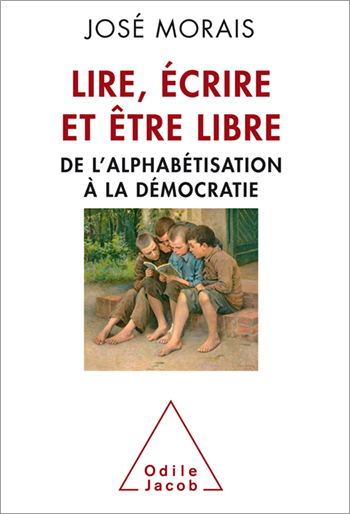
José Moraïs
Read, write and be free From Literacy to Democracy
The essential, driving role of literacy in the transformation of existing pseudo-democracies into real democracies
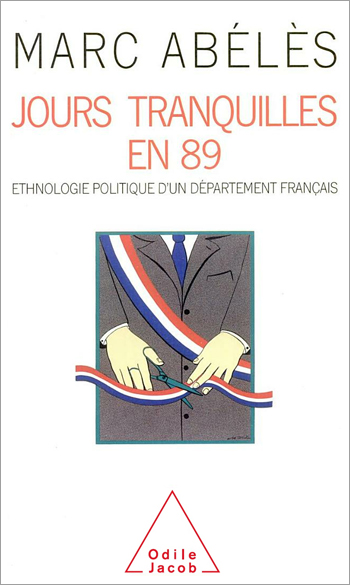
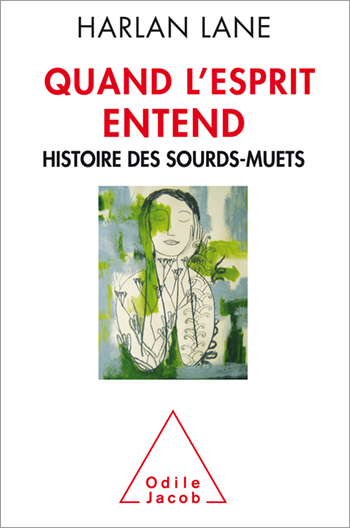
Harlan Lane
When the Mind Hears A History of the Deaf
This historical work recounts the struggle of deaf-mutes against prejudice, so that their rights and their language, sign language, were recognised. The people figuring in this book run from the abbey de l'Épée to Laurent Clerc, the spokesman for this community in the United States. A linguist, psychologist, and specialist in sign language, Harlan Lane teaches in Boston. He is the author of The Wild Child of Aveyron, which inspired the famous film by François Truffaut.
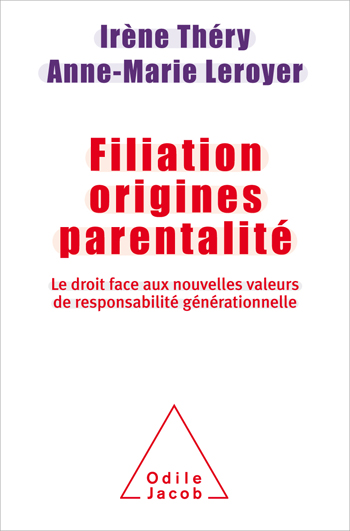
Irène Théry
Filiation, Origins, Parenthood How Lawmakers Are Dealing with Recent Notions of Inter-generational Responsibility
One of the most sensitive social issues of the day, analysed by an acclaimed specialist on family and social transformations
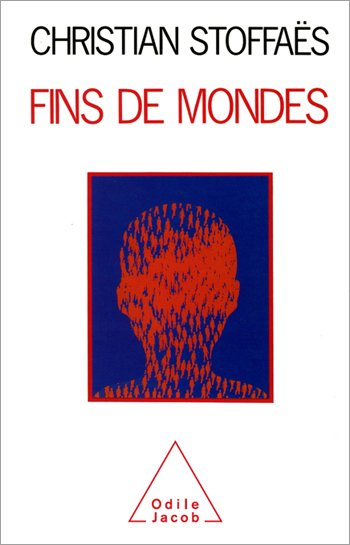
Christian Stoffaës
Ends of Worlds
An economic pulse sustains life in the modern world. C. Stoffaës investigates the highs of economic boom and the lows of paralyzing depression. He presents an historical survey of our dominant technological and mental structures from Keynes to Schumpeter, from the steam engine to the microchip, from the American golden age to the new Pacific prosperity.

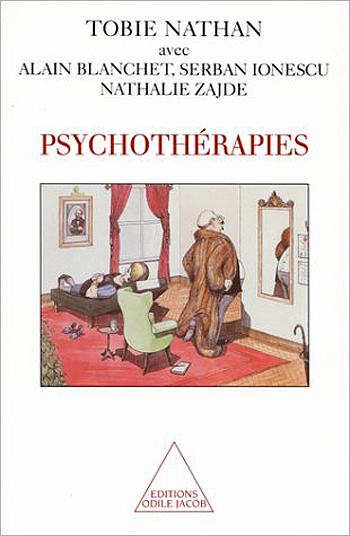
Tobie Nathan, Alain Blanchet, Serban Ionescu, Nathalie Zajde
Psychotherapies
This book is a rigorous presentation of what is now called the Nathan method, that is to say the therapeutic methods (using objects or discussion) which result in a cure through that influence. Using the differences between Western and African techniques as a starting point, he explains how following a psychotherapeutic treatment, or consulting an African healer constitutes an affiliation to a certain group. That is not to say, however, that all therapeutic methods are the same. On the contrary, this book tries to define some kind of criteria of evaluation which is conducive to an informed choice. The two main elements of psychotherapy, the therapy and the trauma, in other words the object and the motivation of the sick person for taking the step of getting treatment, are re-examined in this new context.