
Catalog All books
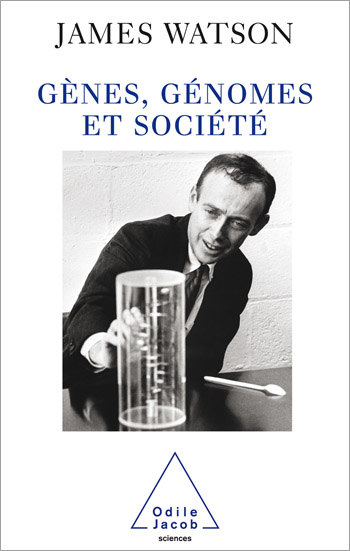
James Watson
A Passion for DNA Genes, Genomes and Society
In 1953, two young scientists, James Watson and Francis Crick, began a scientific revolution when they discovered the double helix structure of the DNA molecule, the substance that is the basis of heredity. James Watson, who won Nobel Prize in 1962 at the age of 34, has continued to play a central role in the field of genetics. Throughout his long scientific career, he has constantly sought to explain the latest developments and findings. The present volume is a collection of articles and lectures reflecting his views during the past fifty years on such subjects as GM foods, cancer, the sequencing of the human genome, and the ethical and social consequences of biology. This is a thought-provoking, often optimistic and always spirited book, reflecting the life and work of one of the great minds of the twentieth century.
James Watson
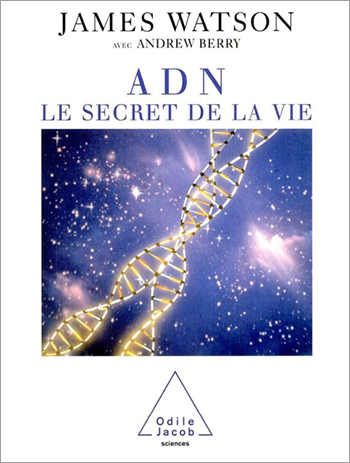
DNA The Secret of Life
Fifty years ago, when he was only 24, James Watson contributed to cracking the genetic code and thus helped resolve one of the greatest scientific mysteries of our age. In DNA: The Secret of Life, he goes back in time and offers an overall view of the genetic revolution. He gives us the keys to understanding the molecular foundations of life and shows to what extent our knowledge of genetics affects how we regard our origins and our own identity. Drawing on his long experience at the forefront of genetic research, he examines the brave new world that lies before us all and the consequences of the genetic revolution. James D. Watson is best known as the co-discoverer, with Francis Crick and Maurice Wilkins, of the molecular structure of DNA. For this accomplishment, the three men shared the 1962 Nobel Prize for Physiology or Medicine. In 1968, he was appointed director of Cold Spring Harbor Laboratory, on Long Island, New York, and has served as its president since 1994. Andrew Berry is a junior fellow at the Museum of Comparative Zoology at Harvard University
Arielle Adda, Hélène Catroux
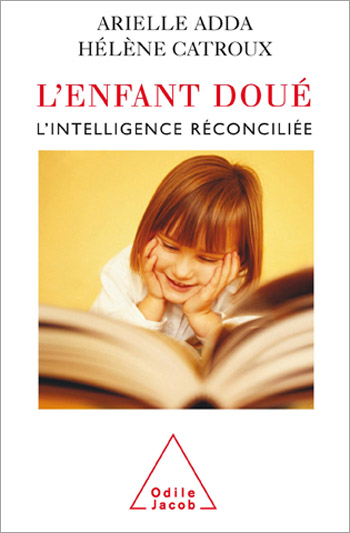
The Gifted Child Reconciling Intelligence
Exceptionally gifted, gifted and intellectually precocious children make up as much as 5 % of any given age group. Yet they often seek failure, both at school and in their personal lives, because they suffer from being different from other children. This book is addressed to the parents and teachers of gifted children. Besides reviewing the current state of knowledge on the subject, it explains how such children can be taught to manage their potential and to overcome their excessive sensitivity and weaknesses. Arielle Adda is a psychologist. Hélène Catroux is an educational psychologist.