
Catalog All books
Alain Braconnier
How to Listen and to Be Heard
The right questions to ask ourselves and the qualities to develop in order to be heard. Feeling like we are being heard contributes to our psychological equilibrium, as well as to our self-confidence. This book proposes a method for being heard properly. A reader-friendly book that offers practical advice and recognizes the true value of dialogue in human relations.
Willy Pasini
Liberated and Sometimes Brazen Every nuance of female sexuality
A book that aims to help women overcome the barriers that inhibit them and to show them the way to sexual fulfilment.
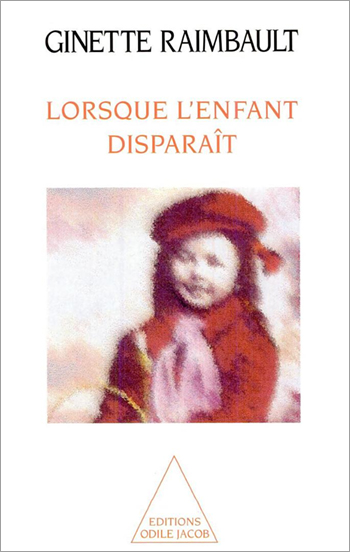
Ginette Raimbault
When a child disappears
When a child disappears, the parents of that child have to first of all relearn how to live their lives. How can they face up to this task ? What routes, both conscious and subconscious do they take in order to do this ? Ginette Raimbault explores the mental processes of these devastated parents using the spontaneous testimonies of those who have relied on writing to get them through their bereavement such as Victor Hugo who mourns Léopoldine, and Isadora Duncan and Geneviève Jurgensen who both lost two children at once. Through the anguish of these famous examples, this book movingly asks the universally relevant question : what does a child mean for the parent ?
Bernard Roques
The Danger of Drugs
This book is the result of a study on drugs carried out by Bernard Roques at the request of the French Secretary of State for Health, Bernard Kouchner. The author has reviewed and summarised a large body of information from all over the world, so this is a thorough, detailed scientific examination of what is known today of the potential dangers, particularly for the brain, of toxic and psychotropic drugs including alcohol and tobacco which are often associated with the consumption of other drugs. Roques study will doubtless play a major role in public health discussions and decisions, particularly in the fight against alcoholism and nicotine addiction. Bernard Roques is a member of the French Académie des Sciences.

René Frydman
God, Medicine and the Embryo
With ethical questions raised about medically assisted pregnancies and medical experimentation, the eugenics debate has become a mute point. Yet bioethical legislation has remained ambiguous. René Frydman has made himself the ardent defender of progenics, a predictive and humanistic medicine. Here, Frydman reflects on the problem of the human embryo through the different points of view of science, religion, law, and morality, and answers ethical and religious questions that he has been asked by his patients. René Frydman is a gynecologist-obstetrician and a member of the FrenchEthics Committee.