
Catalog All books
Pierre Deniker, Jean-Pierre Olié
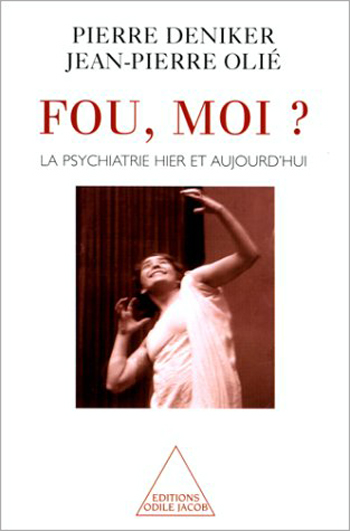
Crazy, Me ? Psychiatry Today and Yesterday
An increasing number of mental patients are being treated outside the stereotypical confines of mental institutions. This trend is often financially motivated, since the cost of institutional care is high. But the psychological advantage to the patients is often contested. Should its demise be encouraged? Need mental institutions necessarily be places of repression and exclusion? What is the position of mental illness in our society--given contemporary therapeutic progress and advances in medication? Jean-Pierre Olié and Pierre Deniker are psychiatrists.
Martine Ohresser
Tinnitus - The Ringing of the Ears
Nearly 4 million people in France have suffered from ringing and whistling sounds in their ears, or 'tinnitus' to use the medical term. It is impossible to sleep, it is impossible to find silence. What are the causes and mechanics of these noises ? What are the therapeutic methods available to relieve the stress of tinnitus, and allow you to refind inner peace ? Martine Ohresser is an ear-throat-and-nose specialist and an otologist (a specialist in problems relating to hearing and balance). She is the founder of a centre for the functional exploration of hearing problems, in Paris.
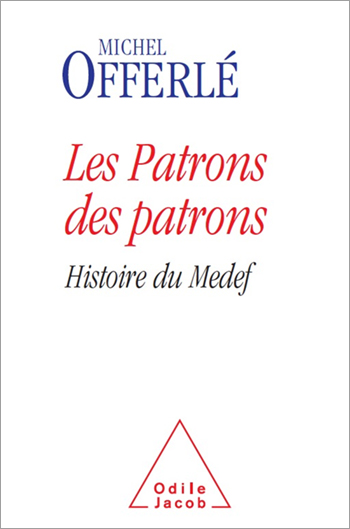
Michel Offerlé
A History of France’s MEDEF Employers’ Association
Organisation, power structure, lobbies, secrets: a history of the Movement of French Enterprises (MEDEF)
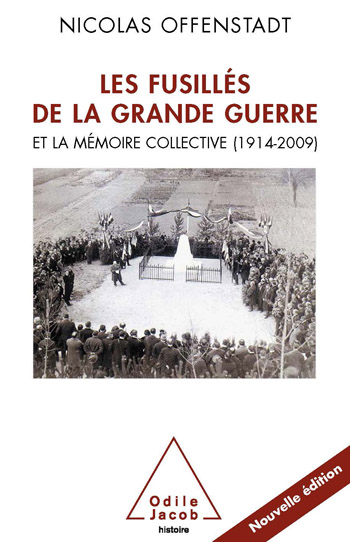
Nicolas Offenstadt
Soldiers Executed during World War I
Why were some soldiers tried and executed by their own national military authorities during World War I?

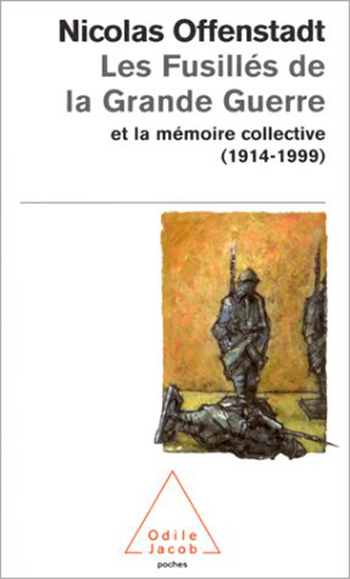
Nicolas Offenstadt
Shot at Dawn : The Executed of the Great War And the Collective Memory (1914-1999)
Why were some soldiers tried and executed by their own military authorities during World War I? Using previously unpublished source material, the author has been able to throw light on one of the most sombre episodes of the Great War. Besides reviewing the history of the events themselves, the author also examines the struggle with the military authorities to clear the soldiers names, beginning in the period between the two world wars. By the 1960s, the public image of the executed soldiers had begun to change. It would culminate in the British campaign to grant them an official pardon and in the French decision to remember them a ceremony. How, he asks, did these changes come about? Nicolas Offenstadt is a graduate of the Institut des Etudes Politiques, in Paris. He holds an agrégation in history and is a member of the Thiers Foundation.
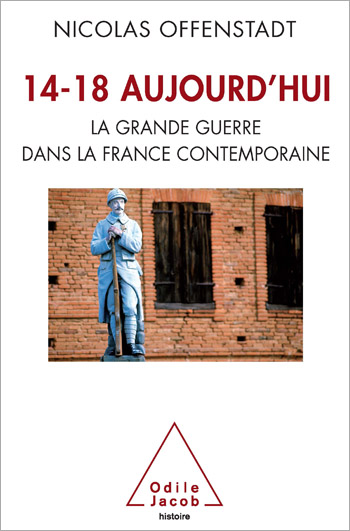
Nicolas Offenstadt
1914-18 Today The Great War in Contemporary France
A complete history of the “memory” of the Great War in the contemporary mind
Observatoire national de la lecture
Learning to Read
Learning to read is a continuous process which runs throughout primary and secondary school, and indeed through the whole of life. However, the crucial time is the first two years of primary school - it is at this time that the child learns the code of the written language and begins to undertake the reading of texts. This report summarises recent research by the best specialists working in the field and provides essential information on the thorny issue of children suffering from reading difficulties. The French National Reading Research Institute is a consultative body of the National Education Ministry and brings together teachers, researchers, school inspectors and representatives of the parents of pupils.