
Catalog All books
Didier Pleux
The Freudian Couch Revolution
Existential psychotherapy: a new approach grounded in the power of consciousness
Boris Cyrulnik
At Night, I Would Write Suns
Alongside Genet, Tolstoy, Gary, and many others, a perceptive and sensitive exploration of resilience through a few great works in our literary canon: how writing can sometimes save a life, how words enable one to escape, to flee reality, or to create oneself, to create a world, one’s own, or to fill a void, or to tell one’s story. . .
Steve Masson
Understanding the Brain to Better Learn and Teach Neuroeducation
Richly illustrated, including many examples of applied pedagogy; finally, a book in neuro-education that combines scientific rigor and concrete, practical applications. Learning and teaching: the 7 principles that work at school, at work, and at home.
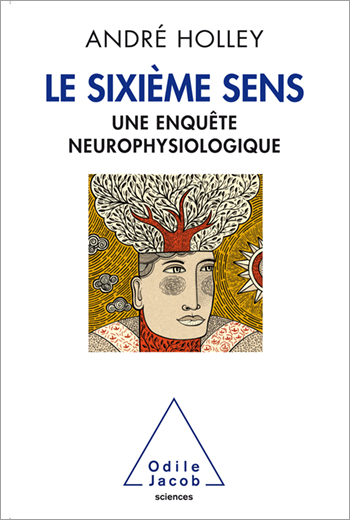
André Holley
The Sixth Sense A Neurophysiological Enquiry
The outside world is not the only source of sense stimuli; other, internal types of sensibility can stimulate the brain

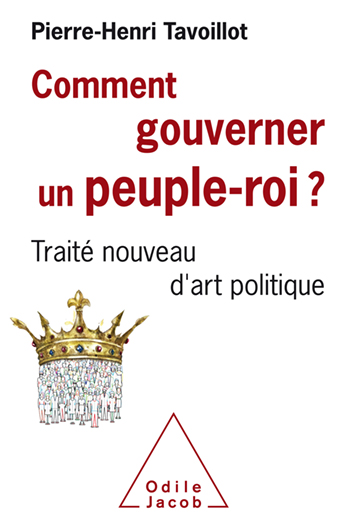
Pierre-Henri Tavoillot
How to Govern a People-King? A New Treatise on the Art of Politics
Pierre-Henri Tavoillot offers us a voyage through time and space: to the great authors of the past, to the heart of the world’s political experiments, but also among the latest technological innovations.
Renaud Lassus
The Renaissance of America foreword to Pascal Lamy
An essential contribution for an understanding of what is at stake in the 2020 presidential election.
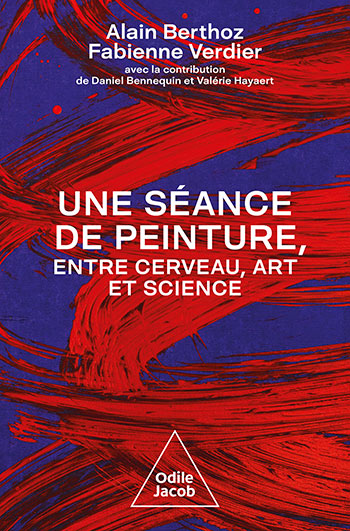
Alain Berthoz, Fabienne Verdier
Thought in Action A Painting Session Between Art and Science
An original discussion around the artistic process, combining philosophy and history of art, brain physiology and mathematics.
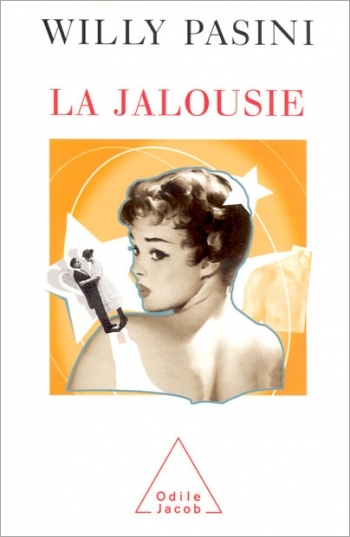
Willy Pasini
Jealousy
The sexual revolution of the 1960s undermined fidelity as well as jealousy, both of which were regarded as out-dated bourgeois concepts. Since then, jealousy has become unacceptable - something that should be hidden because it is somehow shameful. But what if jealousy were intrinsic to human nature, asks Willy Pasini. What if it were an essential part of all of us - a disease that some of us develop while others remain healthy carriers? If jealousy concerns all of us, argues Pasini, we must accept its reality, learn not to be afraid of it and put an end to our feelings of shame and embarrassment. That is the first step. The second step consists in trying to educate our feelings of jealousy, instead of denying them. We can do this by playing with allusions and illusions, with the extraordinary - and forgotten - power of flirtation, with the lightness of being. Here is a book that should help turn jealousy into a positive factor - and even into an aphrodisiac. A psychiatrist and sexologist, Willy Pasini is the author of many best-selling books, including À quoi sert le couple? and Les Nouveau Comportements sexuels, both published by Editions Odile Jacob.
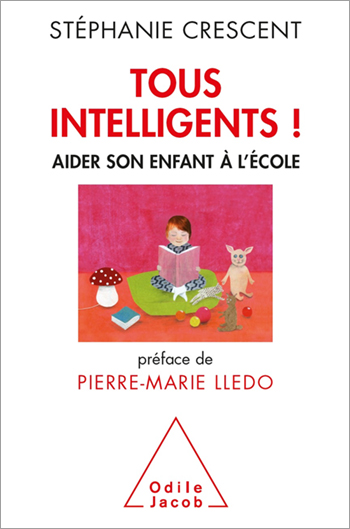
Stéphanie Crescent
Everyone’s Intelligent
A clear, accessible book that will enable parents to recognise their child’s individual aptitudes and help her succeed academically
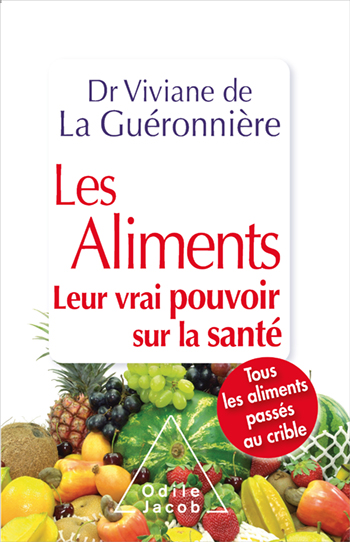
Viviane de La Guéronnière
The Food We Eat How it Really Affects Health
Find out what you should really eat to preserve health and prevent disease
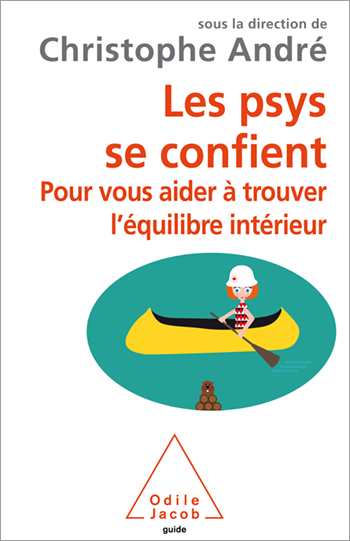
Christophe André
Therapists' Confidences Learn from therapists’ own lives how to find inner harmony
A book that can be of great help by enabling readers to follow the example of a professional therapist.
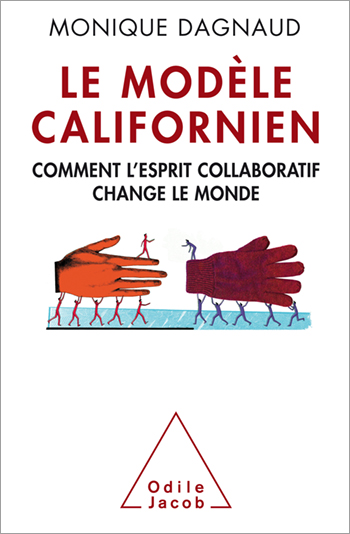
Monique Dagnaud
The Californian Paradigm How the spirit of cooperation can change the world
An original reflexion on California as a new social and political model. A high-quality argument on the possibility of an alternative economy and society that is more cooperative and egalitarian.