Catalog All books
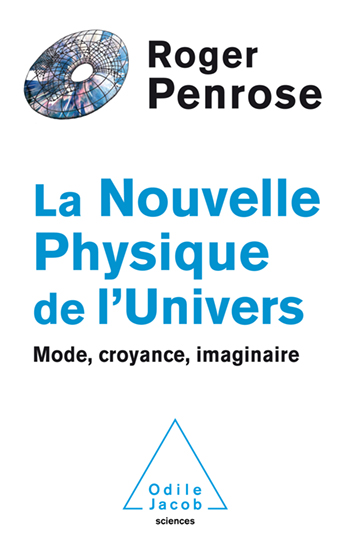
Roger Penrose
Fashion, Faith, and Fantasy in the New Physics of the Universe The Big Bang and the effect of fashion
Roger Penrose is a world-renowned theoretical physicist. The author of many books on cosmology, he is emeritus professor of mathematics at the University of Oxford.
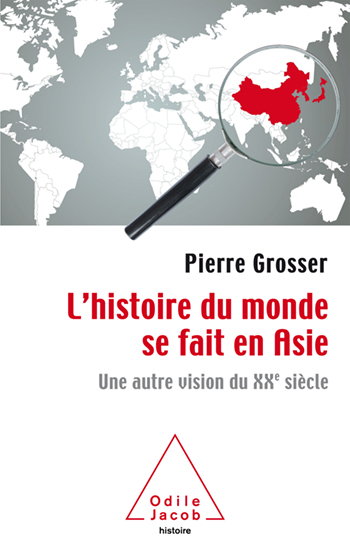
Pierre Grosser
The History of the World is Made in Asia Another vision of the twentieth century
A "de-westernized" story: many episodes that are often overlooked are described here — the Russian civil war in the Far East, the Anglo-Japanese confrontation in Manchuria, the harshness of the Korean War…
Daniel C. Dennett
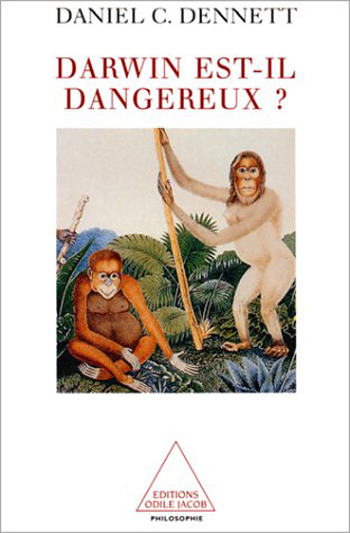
Darwin's Dangerous Idea: Evolution and the Meanings of Life
In this book, he confronts this approach with the ideas of Charles Darwin and Darwinism, and addresses the question of evolution. What are the implications of the theory of evolution by natural selection? Why is evolution such a disturbing idea, not only for religious believers but also for philosophers and even for some biologists? How does it affect the concept of mind? In the midst of the current neo-Darwinian wave, this book offers a timely dialogue between the ideas of an important contemporary philosopher and those of the greatest nineteenth-century biologist. Daniel C. Dennett teaches cognitive sciences at Tufts University.