Catalog All books
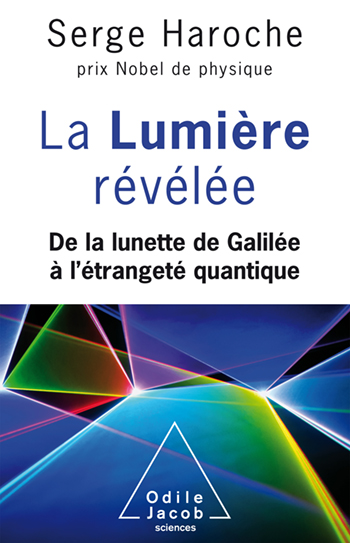
Serge Haroche
The light revealed
The is a scientific biography and history of what we know about light, including current advancements in the field, in which Serge Haroche has played a major role.
Virginie Pape
Life’s Music
The beneficial effects, in both paediatrics and gerontology, of the distant music that composes our lives
Ricardo Bofill, Jean-Louis André
Life's Spaces
Catalonian Ricardo Bofill is probably today's most famous and most controversial architect. In this book, illustrated with sketches and outlines, written directly in French with the help of journalist J.-L. André, he reveals an analysis of his art and an invitation to read the city.
Michel Morange
Life, Evolution and History
In this unique general survey of contemporary research, Michel Morange reveals the recent convergence that is developing between two great segments of biology
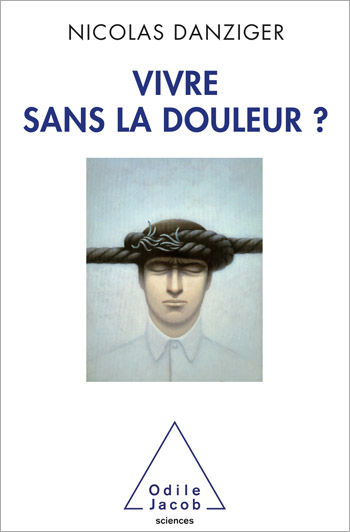
Nicolas Danziger
Life Without Pain?
An intellectual and affective journey, paved with unique stories and experiences, and their often amazing outcomes
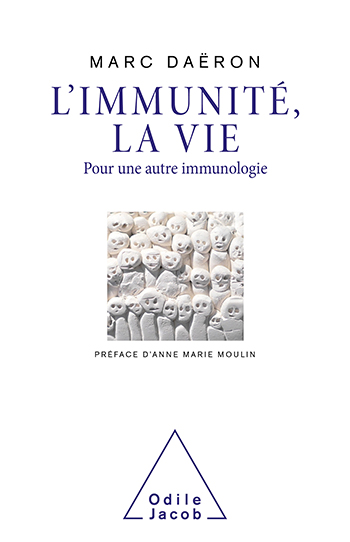
Marc Daëron
Life With Others A Look at Immunity
A critical look at what we think we know about the immune system
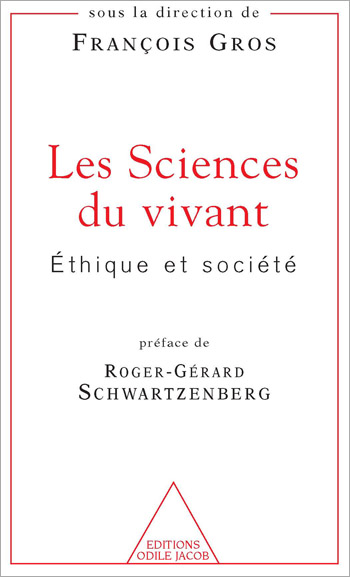
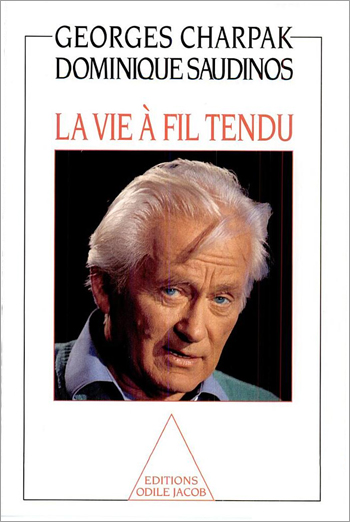
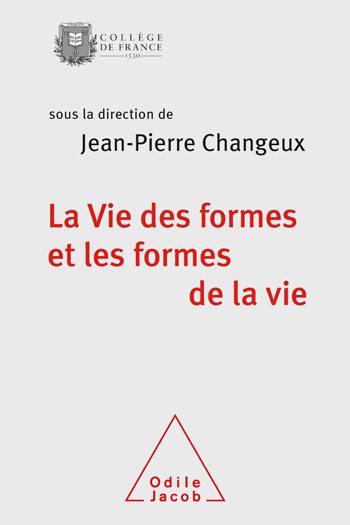
Jean-Pierre Changeux
The Life of Forms and the Forms of Life
Under the editorship of Jean-Pierre Changeux, a brilliant group of scientists and academics tackle the question of form
Élisa Brune, Paul Qwest
Life as an Event What Art and Science Expand in Us
In this final book, Élisa Brune and Paul Qwest share a reflection that is as rich as it is stimulating on our relationship with knowledge. A reflection based on 66 strokes of genius in the arts and sciences.
Jean-François Sirinelli
Life and Survival of the Fifth Republic An Essay on Political Physiology
A work of reflection on institutions, their strengths, and their weaknesses, and the reason for their endurance.
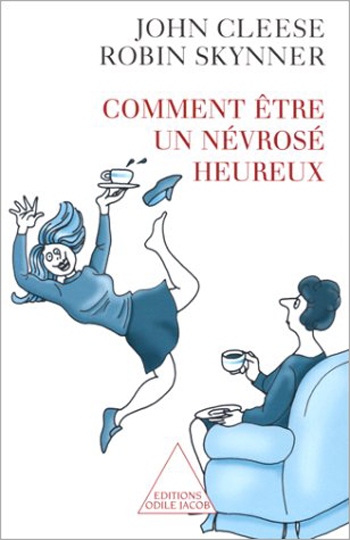
John Cleese, Robin Skynner
Life and How to Survive It
In Life and How to Survive It, the authors have given us more than 400 pages of lively, tonic humour. Their subject is the joy of living and the conditions required to enjoy life to the full. Proceeding by ever-larger concentric circles, the authors successively discuss happy families (brilliant!), companies that allow their employees to fulfil themselves, and finally countries where life is pleasurable. This is British humour at its best, brilliantlyand hilariouslyillustrated. British comic actor John Cleese is famous for the cult television series Fawlty Towers, which he co-authored and starred in. Robin Skynner is a psychotherapist specialising in group therapies.
Patrice Debré, Jean-Paul Gonzalez
The Life and Death of Epidemics
A fascinating history of epidemics and the struggle to overcome them, from earliest times to the present
Gérard Apfeldorfer, Jean-Philippe Zermati
Lies, Dukan Diet and nonsenses
The truth about diets — and about how they can damage your health
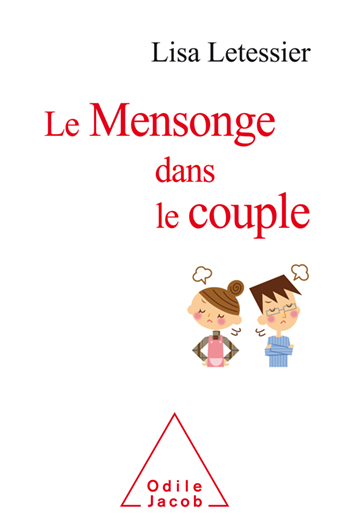
Lisa Letessier
Lies Between a Couple
An analysis of the psychological mechanisms of lying in a couple seen from two points of view: those that animate the one who lies, and those that cause the one to whom one lies to suffer.
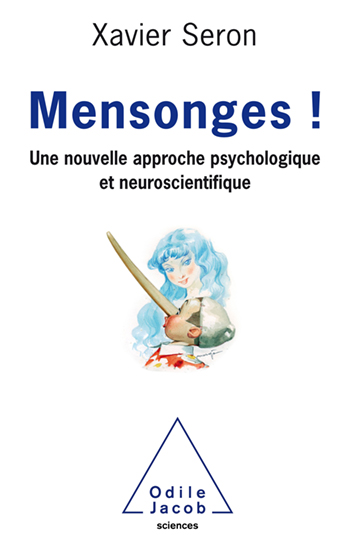
Xavier Seron
The Lie
Based on the latest advances in research, notably in Anglophone countries. An approach that leans heavily on the neurosciences and looks at the cerebral foundation of lying.
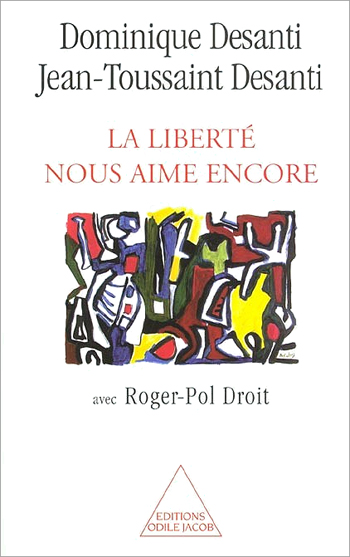
Dominique Desanti, Jean-Toussaint Desanti, Roger-Pol Droit
Liberty Still Cherishes Us
In this book, the authors, Dominique and Jean-Toussaint Desanti, relate their lives of active political and intellectual commitment to Roger-Pol Droit. The story begins with Dominique and Jean-Toussaints first meeting, their lives as an open couple, their involvement in the French Resistance and, later, in the Communist Party, their support of the FLN during the Algerian war of independence, their participation in the events of May 1968 in France and the United States, and their espousal of the feminist movement. They also discuss the numerous works they have written literature in Dominiques case, philosophy in Jean-Toussaints. Their political path is one that was shared by many French intellectuals of their generation. The enthusiasm of many young people for left-wing causes had first been stirred by the Popular Front government. The Soviet victory at Stalingrad (rather than support of Marxist thought) later fanned this enthusiasm, with the result that many French intellectuals joined the Communist Party. Each event in the authors lives is recounted individually from each ones point of view, before being retold by both of them in unison. This manner of telling their story fully respects each writers personality and style, and has resulted in an especially intense book. Dominique Desanti is a journalist, essayist and novelist. Jean-Toussaint Desanti is a philosopher and professor emeritus at the University of Paris I-Sorbonne.
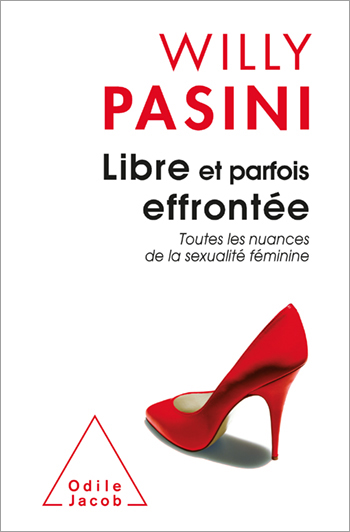
Willy Pasini
Liberated and Sometimes Brazen Every nuance of female sexuality
A book that aims to help women overcome the barriers that inhibit them and to show them the way to sexual fulfilment.
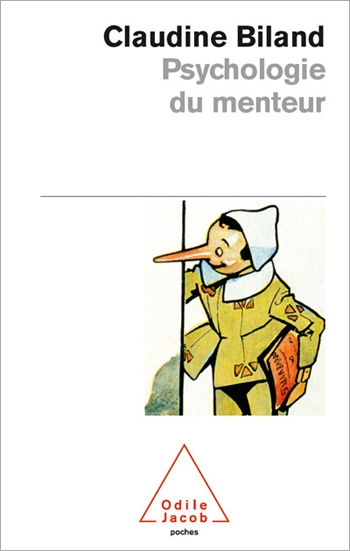
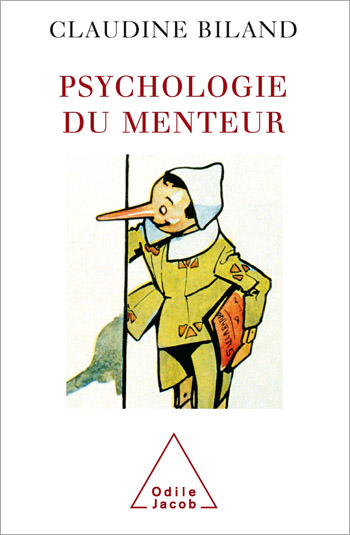
Claudine Biland
Liar's Psychology
When people tell lies what are they really trying to do? The goal of liars is to convince others that an event that never occurred took place or that they have opinions and feelings that they do not. The function of liars is thus to simulate fictional states and to dissimulate real situations; their task is to convince others - and to avoid being found out. What is it that makes liars so unbearable? Lying has a negative connotation in every culture. Children are taught not to tell lies. As a little girl says in an advert, you mustn't cheat, “'cause if you do, you betray the trust that your parents have planted inside you”. Lying always implies deceiving trust or even manipulating another's naiveté - both highly unpleasant experiences for the liar's interlocutor. How can liars be detected? Lying is a delicate, complex art, and non-verbal communication is highly fugitive and difficult to read. Nevertheless, certain conversations leave us with strange, discordant feelings. Then there are those hastily formed opinions about someone or a situation that linger on in our memories. Almost imperceptibly, the impression of sincerity is communicated through words, a voice and gestures. The goal of this book is not to determine if and when lying is justifiable, but to explain to us the types of behaviour that liars do or do not adopt and to develop our ability to unmask them. Shunning a Manichaean approach, the author shows that truth cannot govern all our everyday relations with others - neither in our professional lives nor in our private dealings with friends and partners. If we told the truth all the time, life would become unbearable. Lying is an indispensable human activity, which everyone indulges in. In this work of social psychology, the author has made available to professionals and general readers alike the results of the most advanced research on the subject of lying. Claudine Biland is a psychologist specialising in non-verbal communication. She teaches in Paris.