Catalog All books
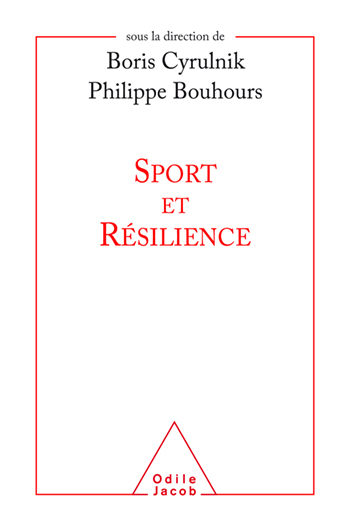
Boris Cyrulnik, Philippe Bouhours
Sport and Resilience
An analysis of what makes great champions, which also deals with the influence of sports on resilience, and the impact of resilience on sports.

Saïda Douki Dedieu, Hager Karray
The Veil on the Couch Hidden ramifications unveiled
The visible or hidden ramifications of the headscarf explained from the point of view of two psychiatrists who aim to reveal its importance in the status and mental health of women, from its origins to the present.


Patrick Lemoine
The Mental Health of Geniuses Geniuses of good, geniuses of evil: what’s the difference?
For each famous figure, a well-documented profile that challenges our view of them, a clinical diagnosis and, as a bonus, a final percentage of good or evil…

Jean-Michel Blanquer
The School of Life
To surmount the on-going fruitless discussions on education, the author proposes a series of guidelines for an open, humanistic school system.

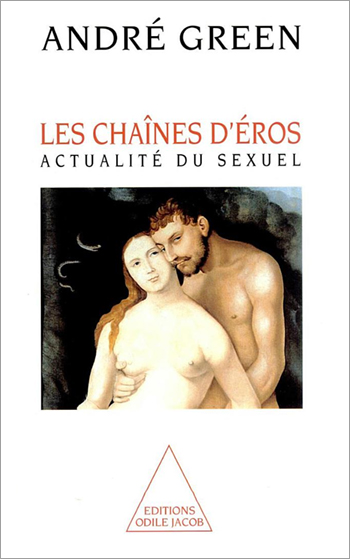
André Green
The Chain of Eros
Sexuality is no longer what it was when Freud elaborated his theory of its psychic functioning. His successors have either given it less importance or a completely different status. André Green has undertaken in this book a real re-founding. Sexuality, seen from a psychoanalistic point of view, is what he calls "an erotic chain", organized according to different steps (impulse, desire, fantasies, erotic language, etc.). For him, the importance it is not so much to consider each of these steps separately but to specify at which link of the chain the analyst himself stands. André Green, is a psychoanalyst and a psychiatrist.