
Catalog All books
Patrice Huerre, Martine Pagan-Reymond, Jean-Michel Reymond
Adolescence doesn't exist
Adolescence is a recent conception in the history of man, a method of signifying, via puberty, the passage from childhood to adulthood which has always existed. In the past, this passage was celebrated and defined through the practice of rituals. Today the transition is no longer marked within such a strict timescale. Even more serious is the tendency for adults to refuse young people entry into their grown up world, either as a result of their own fear of aging, or of their desire to protect the young person from all possible risk. Patrice Huerre is a hospital psychiatrist, psychoanalyst and director of the Georges Heuyer University Medical Clinic in Paris. Martine Pagan-Reymond is a certified professor in Modern Literature. Jean-Michel Reymond, formerly Chief of Staff of Child and Adolescent Psycology is now Director of the Medical-Pedagogic Center of Saint-Lô.
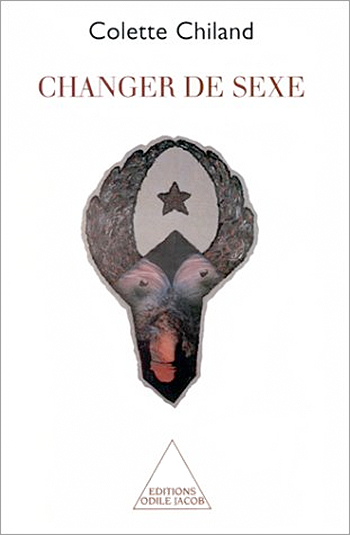
Colette Chiland
Changing Sex
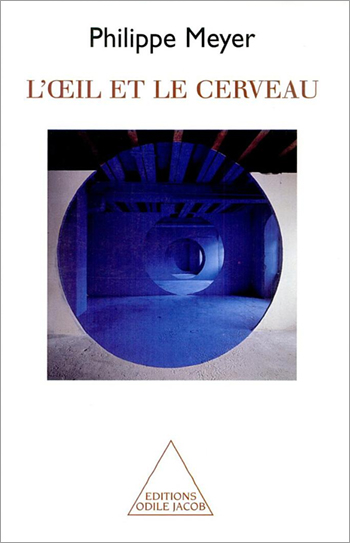
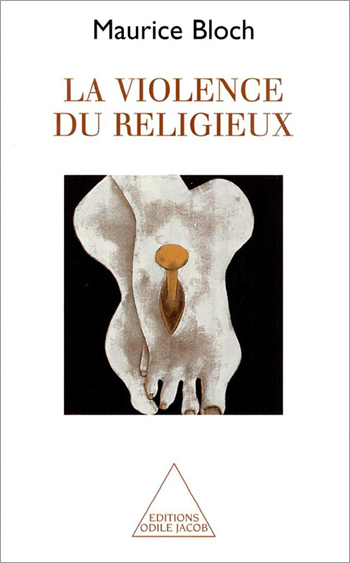
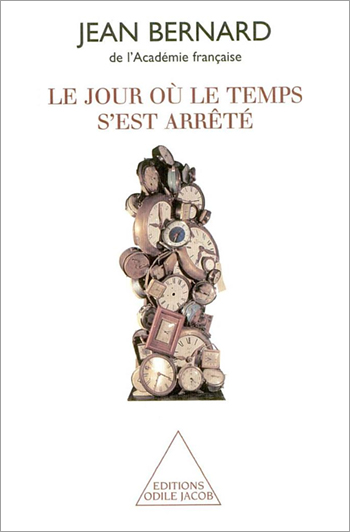
Some human beings refuse to take the path that leads from being male to becoming a man or from being female and becoming a woman and want to belong to the sex for which their bodies were not designed -and this at any price. In our culture, these transsexuals want to both occupy the other place in the network of symbolic exchanges and have a mark of this change in their bodies. Their sadness is irremediable, for although they can change their social sex, they cannot change their bodily sex. "It's better " states one transsexual, "to change what's in the mind". Will we succeed in doing so ? A university professor, Colette Chiland taught psychology and psychopathology of children and adolescents, then clinical psychology at the Sorbonne University in Paris.
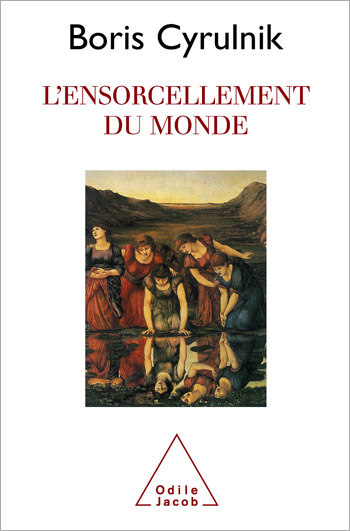
Boris Cyrulnik
The Enchantment of the World
In this book, Boris Cyrulnik analyses empathy, our capacity to put ourselves in the place of the other, hypnosis, the power of fascination that we have on others or that others have over us...
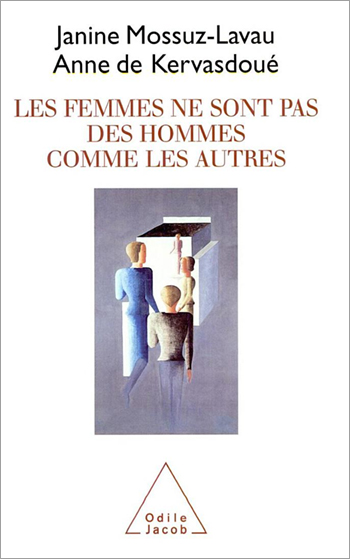
Janine Mossuz-Lavau, Anne de Kervasdoué
Women are Not Just Men
The changes which have come to be in the second half of the 20th century have taken women a long ways from the profile adopted by their mothers. Do all these transformations lead us to trace the portrait of a woman who has become a clone of men ? We can ask ourselves this question when we remember the arguments of feminists in the 70's employing the "egalitarian" themes of Simone de Beauvoir. More recently, some have gone so far as to announce the coming of an "androgynous" society. But what do the women and the men of this country think about all this ? How do women see themselves in relation to men ? How do they define themselves and how do they describe the men of their lives ? A very pointed realization of today's female identity. Janine Mossuz-Lavau is Director of Research at the CNRS.
Antoine Garapon
Judging Well Essay on Judicial Ritual
Imagine for a moment that you assist at a trial for the first time. There is no doubt that you would be struck by the strange procedure which happens in front of you, the judicial discussions. It is true to say that before being a moral faculty, judging is firstly an event. According to the author, before there were laws, judges and courthouses, there was a ritual. This book aims to unveil all these facets, showing by example how the public gallery is there to culpabilise and inhibit the defendant, in order to make him submit to the judicial order. Can judges avoid staging trials in order to judge well ?
Commission Canberra
Eliminating Nuclear Arms
"Legally, politically and strategically nuclear arms have been reduced to a tiny number of marginal hypotheses and will soon be mere anachronisms. They have lost their justification, their reason for being. But they continue to represent a danger for humanity : they could be used by accident or by mistake due to the mistaken interpretation of another country's attitude. We must therefore do everything in opur power to eliminate them once and for all." Michel Rocard
T. Berry Brazelton
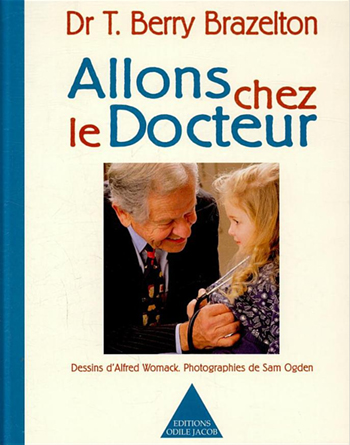
Going to the Doctor
Written by one of the greatest American pediatriciens this book clearly explains to children the key moments of their medical visit. Through the choice of clear and interesting photographs, it awakens the natural curiosity of children, which is also raised by the often quite comical illustrations drawn by the author's nine year-old grandson. With this book, the former occasions of children's torments and parents' agony are transformed into a time of discovery and shared complicity. T. Berry Brazelton is an emerite professor at Harvard Medical School and has been a pediatricien for over forty years.