Catalog All books
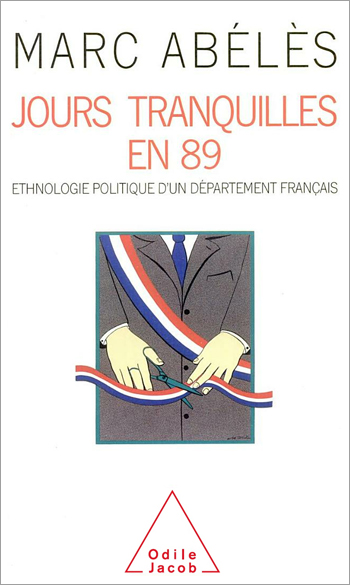
Harlan Lane
When the Mind Hears A History of the Deaf
This historical work recounts the struggle of deaf-mutes against prejudice, so that their rights and their language, sign language, were recognised. The people figuring in this book run from the abbey de l'Épée to Laurent Clerc, the spokesman for this community in the United States. A linguist, psychologist, and specialist in sign language, Harlan Lane teaches in Boston. He is the author of The Wild Child of Aveyron, which inspired the famous film by François Truffaut.
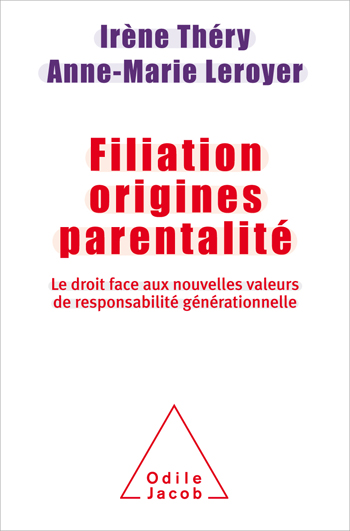
Irène Théry
Filiation, Origins, Parenthood How Lawmakers Are Dealing with Recent Notions of Inter-generational Responsibility
One of the most sensitive social issues of the day, analysed by an acclaimed specialist on family and social transformations
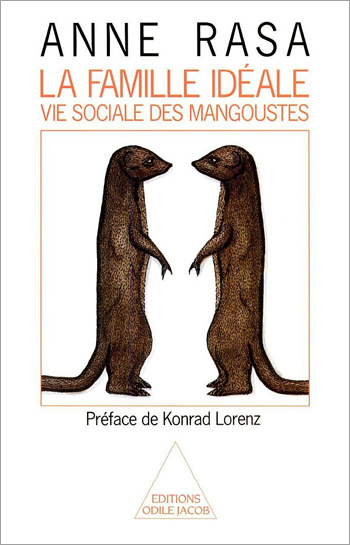
Anna Rasa
The Ideal Family The Social Life of Mongeese
Queen mother, the political leader, the prince consort, the military leader and guardian of the moral standards of their offspring, in turn warriors, baby-sitters, peacekeepers and brave troopers- such is the composition of the ideal mongoose family, those intelligent and appealing predators. A masterpiece of observation, analysis and description, by an ethnologist trained by Konrad Lorenz.
Kevin Padian
From Darwin to Dinosaurs (Work of the Collège de France) An Essay on the Idea of Evolution
In this book, Kevin Padian, world-renowned expert on dinosaurs, takes a historical approach to evolution and gives his view of some of the key problems of the theory of evolution
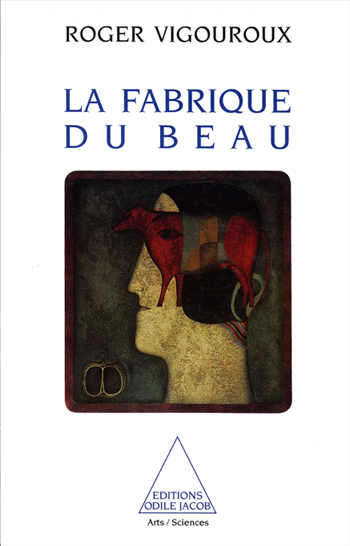
Roger Vigouroux
The Making of Beauty
Where does the gift of artistic genius come from? Why Mozart, why Doestoevsky and Van Gogh? What happens in the brain of a man who devotes his life to writing, painting or music? What is it that pushes us towards the pleasure of listening to a symphony, to the emotion of contemplating a painting, to the joy of reading a poem? Roger Vigouroux is a neurologist.
Christian Stoffaës
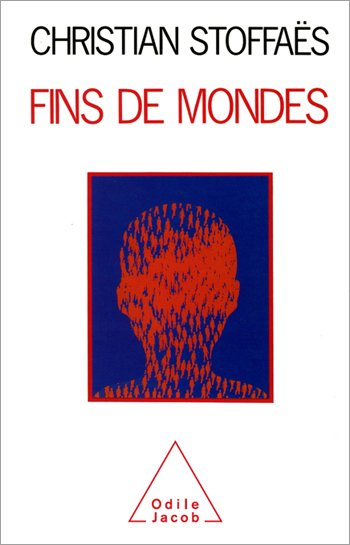
Ends of Worlds
An economic pulse sustains life in the modern world. C. Stoffaës investigates the highs of economic boom and the lows of paralyzing depression. He presents an historical survey of our dominant technological and mental structures from Keynes to Schumpeter, from the steam engine to the microchip, from the American golden age to the new Pacific prosperity.
Tobie Nathan, Alain Blanchet, Serban Ionescu, Nathalie Zajde
Psychotherapies
This book is a rigorous presentation of what is now called the Nathan method, that is to say the therapeutic methods (using objects or discussion) which result in a cure through that influence. Using the differences between Western and African techniques as a starting point, he explains how following a psychotherapeutic treatment, or consulting an African healer constitutes an affiliation to a certain group. That is not to say, however, that all therapeutic methods are the same. On the contrary, this book tries to define some kind of criteria of evaluation which is conducive to an informed choice. The two main elements of psychotherapy, the therapy and the trauma, in other words the object and the motivation of the sick person for taking the step of getting treatment, are re-examined in this new context.

John Cleese, Robin Skynner
Life and How to Survive It
In Life and How to Survive It, the authors have given us more than 400 pages of lively, tonic humour. Their subject is the joy of living and the conditions required to enjoy life to the full. Proceeding by ever-larger concentric circles, the authors successively discuss happy families (brilliant!), companies that allow their employees to fulfil themselves, and finally countries where life is pleasurable. This is British humour at its best, brilliantlyand hilariouslyillustrated. British comic actor John Cleese is famous for the cult television series Fawlty Towers, which he co-authored and starred in. Robin Skynner is a psychotherapist specialising in group therapies.