Catalog All books
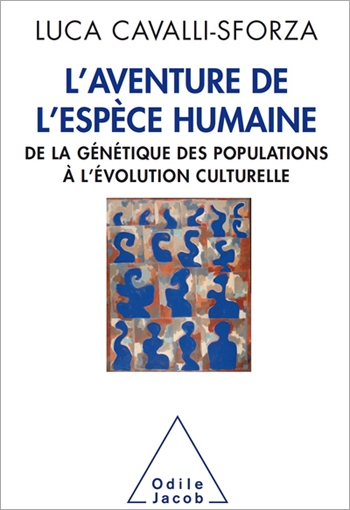
Luca Cavalli-Sforza
The Adventure of the Human Species From Population Genetics to Cultural Evolution
How evolution and human functioning made humankind the dominant species
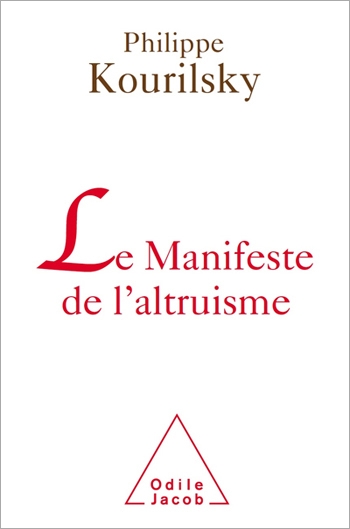
Philippe Kourilsky
The Manifesto Of Altruism
Only the duty of altruism, both personal and collective, will enable us to build a more just society

Virginie Pape
Life’s Music
The beneficial effects, in both paediatrics and gerontology, of the distant music that composes our lives

Xavier Alario
Questions About the Brain
The answers given here have all been scientifically approved and are widely accessible
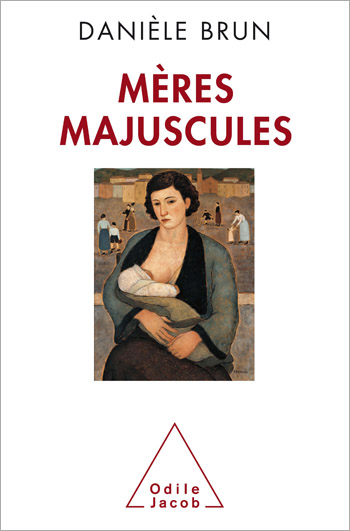
Danièle Brun
Mothers in Capital Letters
The image in question is not so much a representation of the Mother in Majesty with her child...
Marc Jeannerod
Of Mental Physiology A History of the Relationship Between Biology and Psychology
A relative newcomer to the world of science, psychology gives rise to a rivalry between two older siblings, philosophy and biology. This enduring conflict between materialism and spiritualism, which continues today in other forms, without adoubt was the driving force behind its progress. What we know today about the spirit is a result of this history. Biology and psychology have shaped each other in turn. This book represents a riveting study on how two centuries of spiritual quarrelling made possible the modern attempt to establish the inner workings of the mind. A professor of physiology at the Université Claude Bernard, Marc Jeannerod is also the director of an Inserm neurological research team in Lyon.
Claude Gudin
The Natural History of Microalgae
The amazing properties of microalgae may be crucial for the future of humanity