
Catalog All books
Alain Braconnier
Optimist
How to develop and cultivate optimism, to contribute to our happiness and well-being
Paul Jorion
Understanding Our Times
A brilliant, iconoclastic work by the anthropologist and sociologist Paul Jorion
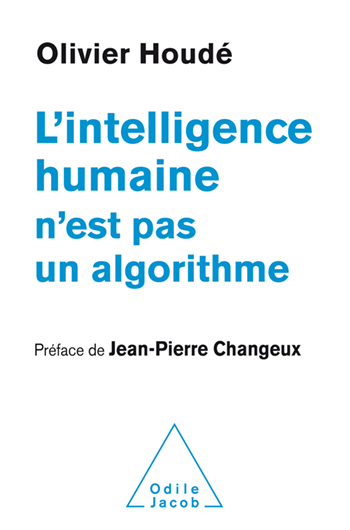
Olivier Houdé
Human Intelligence is Not an Algorithm
An original theory that proposes a new model of intelligence centered on intuition, logic, but also inhibition, indispensable for correcting our cognitive biases.
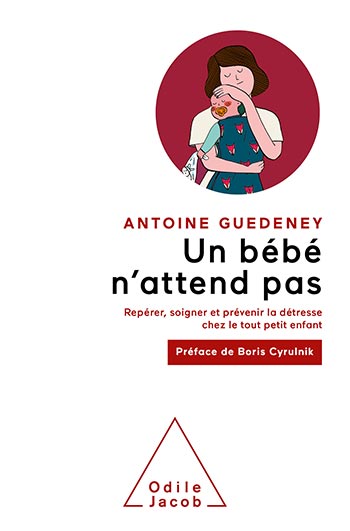
Antoine Guédeney
A Baby Doesn’t Wait Identifying, Treating, and Preventing Distress in the Very Young Child
The adventure of The Alarm Distress Baby Scale, which has become a formidable tool for prevention in perinatal and early childhood care.

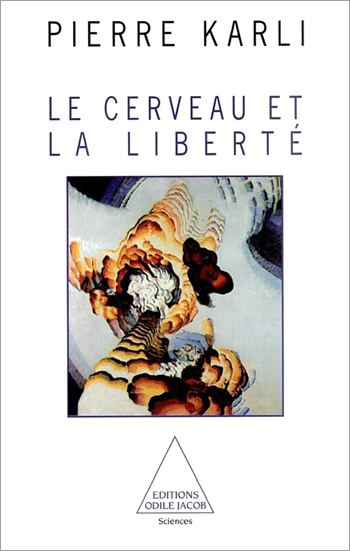
Pierre Karli
The Brain and Freedom
What is the relationship of man with the world, the others, with himself? To this perpetual question, many answers have been given by the various, religious or philosophical systems of thought. Pierre Karli, a neurophysiologist, proposes to look in the direction of science. He shows, by synthesizing the most advanced scientific works, how individual freedom finds its roots at the very heart of the brain.
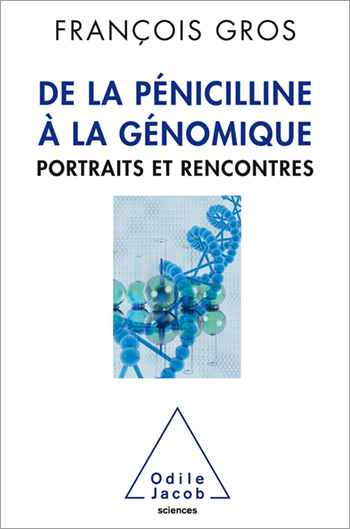
François Gros
From Penicillin to genomics
The life of a scientist, one of the discoverers of how genes function, and an explorer of the future of biology

Philippe Trouchaud
Cybersecurity
All specialists agree that hacking incidents are only increasing. This book proposes ways to learn how to protect oneself while acknowledging that zero risk no longer exists.
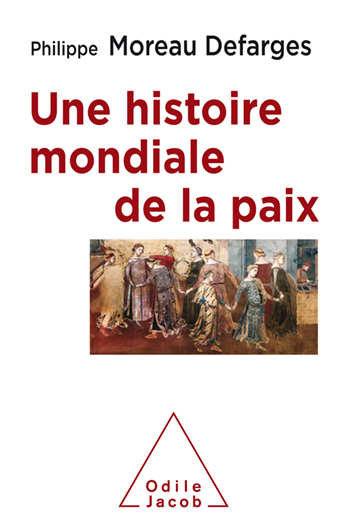
Philippe Moreau Desfarges
A History of Peace Ideas for the Future
An original thesis: peace is inescapable (in spite of all the resurgence of wars); it will be contractual and democratic (in spite of the reforming of empires).
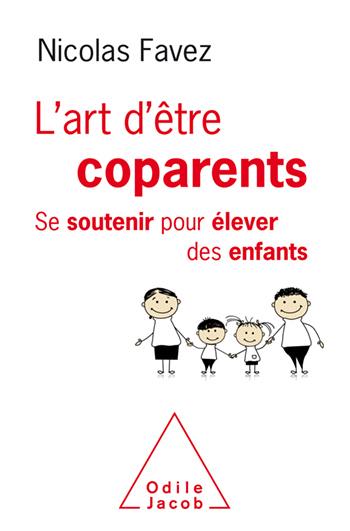
Nicolas Favez
The Art of Being Co-Parents How can parents best handle co-parenting?
From parenting to co-parenting: the new challenge that parents today must face and for which they must be prepared.
Alain Braconnier
Parents Need Love, Too
Parents’ need for love and the notion of reciprocity in upbringing, advice for maintaining it.
Dominique Desanti, Jean-Toussaint Desanti, Roger-Pol Droit
Liberty Still Cherishes Us
In this book, the authors, Dominique and Jean-Toussaint Desanti, relate their lives of active political and intellectual commitment to Roger-Pol Droit. The story begins with Dominique and Jean-Toussaints first meeting, their lives as an open couple, their involvement in the French Resistance and, later, in the Communist Party, their support of the FLN during the Algerian war of independence, their participation in the events of May 1968 in France and the United States, and their espousal of the feminist movement. They also discuss the numerous works they have written literature in Dominiques case, philosophy in Jean-Toussaints. Their political path is one that was shared by many French intellectuals of their generation. The enthusiasm of many young people for left-wing causes had first been stirred by the Popular Front government. The Soviet victory at Stalingrad (rather than support of Marxist thought) later fanned this enthusiasm, with the result that many French intellectuals joined the Communist Party. Each event in the authors lives is recounted individually from each ones point of view, before being retold by both of them in unison. This manner of telling their story fully respects each writers personality and style, and has resulted in an especially intense book. Dominique Desanti is a journalist, essayist and novelist. Jean-Toussaint Desanti is a philosopher and professor emeritus at the University of Paris I-Sorbonne.