
Catalog All books
Tobie Nathan, Nathalie Zajde
Democratic Psychotherapy
Psychotherapy is gripped by an intense paradox. It is being attacked (apparently justifiably) on all sides....
Jean-Paul Delahaye, Nicolas Gauvrit
Culturetech: Digital Culture
The development of electronic databases (and of Internet search engines to explore them) has given rise to such new behaviours as egosurfing...
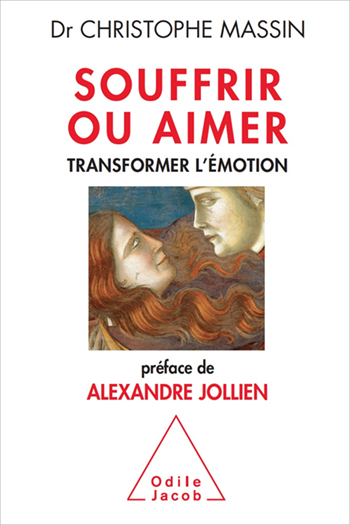
Christophe Massin
To Suffer or to Love
Psychological and spiritual tools to feel better about yourself and with others
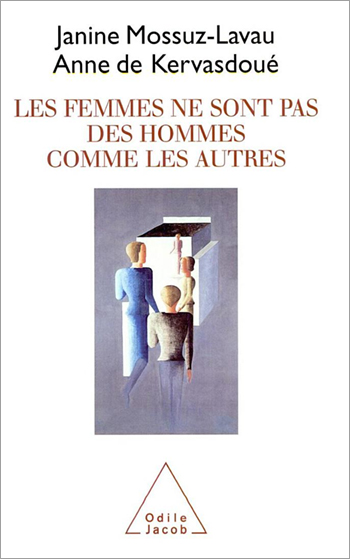
Janine Mossuz-Lavau, Anne de Kervasdoué
Women are Not Just Men
The changes which have come to be in the second half of the 20th century have taken women a long ways from the profile adopted by their mothers. Do all these transformations lead us to trace the portrait of a woman who has become a clone of men ? We can ask ourselves this question when we remember the arguments of feminists in the 70's employing the "egalitarian" themes of Simone de Beauvoir. More recently, some have gone so far as to announce the coming of an "androgynous" society. But what do the women and the men of this country think about all this ? How do women see themselves in relation to men ? How do they define themselves and how do they describe the men of their lives ? A very pointed realization of today's female identity. Janine Mossuz-Lavau is Director of Research at the CNRS.
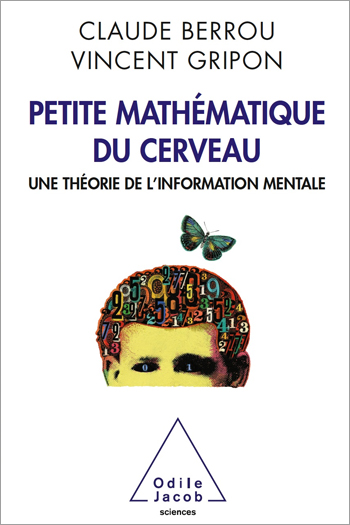
Claude Berrou, Vincent Gripon
Some Brain Mathematics A Theory of Mental Information
How the human brain processes information — an explanation between neuroscience and information technology.
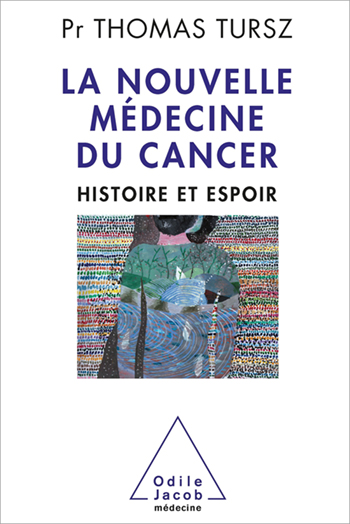
Thomas Tursz
The Medical Revolution In Cancer Treatment Story and Hope
What is the current state of cancer treatment? A candid overview by an eminent oncologist
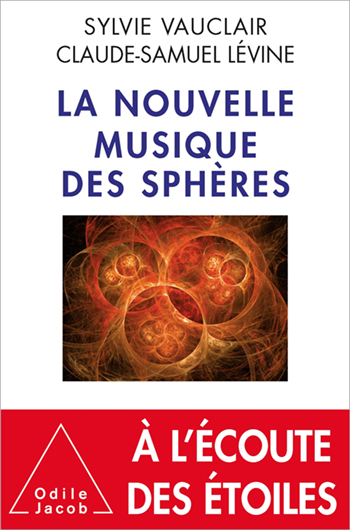
Sylvie Vauclair, Claude-Samuel Lévine
The Music of the Spheres
A fascinating work on a the latest findings in the study of the stars
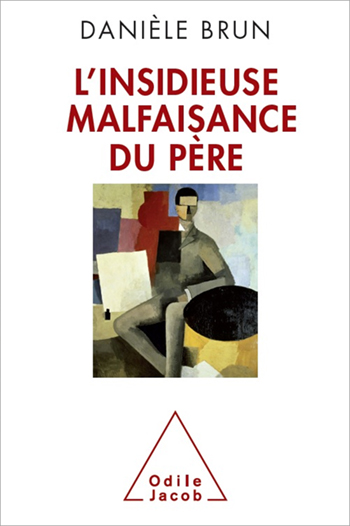
Danièle Brun
The Harm That Fathers Do
A book that delves into the role fathers play in their children’s upbringing
Georges Charpak, Roland Omnès
Becoming a Magician is Becoming Prophet
In a simple, accessible style the authors address questions that we all ask ourselves about science: Why hasn't science made human beings wiser? Hasn't it even had the opposite effect, rendering humans' criminal tendencies even more devastating? To answer these questions, the authors develop the idea that the advent and triumph of modern science have induced a profound change in humanity because science has given human beings the capacity to understand and master phenomena occurring on the microscopic level - a scale that is alien to them. Some of the fundamental elements of contemporary physics are presented here in game form. The authors argue that physics has left free human beings face to face with an equally free interplay of natural forces and that, without causality and finality, the world has become deprived of meaning. It is therefore hardly surprising that many have taken refuge in religion. But the authors propose an alternative to religion, arguing that we can fulfil our modernity by helping our children develop their love of experimentation so that they can discover the meaning of things for themselves - instead of embracing ideologies that can only be imposed through terror. Georges Charpak is a physicist and Nobel Prize Laureate in Physics. Roland Omnès is a physicist and Emeritus Professor at the University of Paris XI-Orsay.
Pierre-Éric Sutter
Reinventing the Meaning of Your Job
Reassess your attitude towards work for greater job satisfaction and less frustration
Edouard Pélissier
Why Croissants and Cholesterol Are Both Killers
A new concept — systemic inflammation — offers a global approach to fight against many diseases
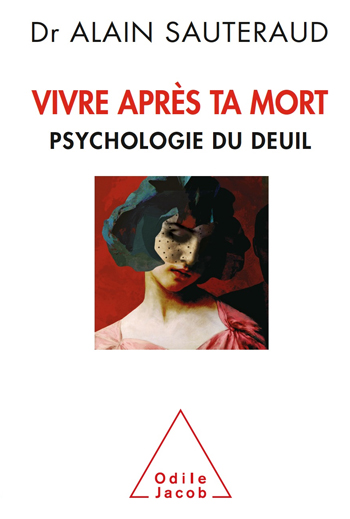
Alain Sauteraud
Living On After Your Death The Psychology of Grieving
Down-to-earth advice to help mourners understand the grieving process and then adapt to their new lives

Jacques Hochmann
A Short History of Empathy
A psychoanalyst, but also a historian and cultural observer, Jacques Hochmann offers us here a fascinating journey through the history of philosophy and psychology, up till the most recent, state-of-the-art research.
Malvine Zalcberg
Women in Love — What Love Does to Them
Why does love seem to play a more significant role in a woman’s life than in a man’s?
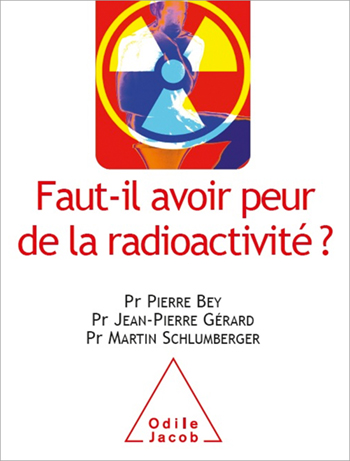
Pierre Bey, Jean-Pierre Gérard, Martin Schlumberger
Should We Fear Radioactivity?
A clear, precise and uncompromising account of radioactivity, its dangers and advantages
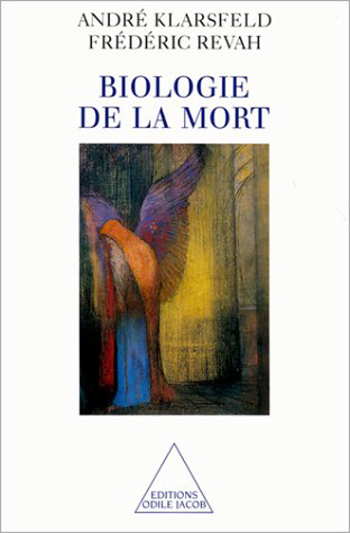
André Klarsfeld, Frédéric Revah
The Biology of Death
Why are most living organisms condemned to die a natural death, even if they are in a well-protected and highly favourable environment ? Is death a "useful" biological process or does it not correspond to any natural necessity ?