
Catalog All books
François Lévêque
Hyperpowerful Corporations Giants and Titans, the End of the Global Model
Why governments want to regain the upper hand over globalization

France Schott-Billmann
The Need to Dance
Village dances, the craze for Oriental and African dancing, the large number of rave parties - over the past few years, the joy of dancing seems to have been rediscovered in France. What does the desire to dance hide?

Yves Coppens
The Present of the Past 4 Pastilles of Prehistory
A lively introduction to the basics of Prehistory that is both informative and entertaining

Guillaume Cerutti
The Cultural Policy : A 21st Century Challenge Twenty Proposals
Though our certainties may waver as we move toward an uncertain economic and social future, culture remains for France an exceptional asset and a critical issue, both at home and internationally.

Boris Cyrulnik
Psychotherapy from God
Combining developmental psychology, attachment-based therapy, psycho-sociology, and the neurosciences, a psychotherapy of the sacred that takes into account all forms of belief, without distinction and without judgment, to analyse their foundations, their practices, their inner workings, and also their benefits. An original enlightening study of the major role played by attachment (secure or insecure) in religious feeling.
Jean-Claude Carrière
The Valley of Nothingness
An intimate reflection on universal questions, written with the finesse and intelligence we have come to know in Jean-Claude Carrière’s writing.

Pauline Schnapper, Emmanuelle Avril
Where is the United Kingdom Headed Brexit and Beyond
A burning reality. Brexit, which was supposed to take effect officially on 29 March 2019, has been postponed to October, but already its effects are being felt, and this is only the beginning!
Gérard Apfeldorfer
Dare to Live, Dare to Die Taking hold of death in order to live fully
The delicate issue of choosing to die is raised, explained, and critiqued. A generous book with lively prose, including many anecdotal stories.

Jacqueline Rousseau-Dujardin
Loving? But How?
How to remain yourself when you love another? If you want love to last, should you keep a certain distance and choose someone with whom you do not share your daily life? Why are some people afraid of loving? Can mystical love really be qualified as love? Are you truly happy when you are in love? Is it possible to love too much?

Alexis Rosenbaum
Dominant and Dominated Animals
A fascinating journey into the heart of the animal kingdom, in the light of the latest findings in ethology
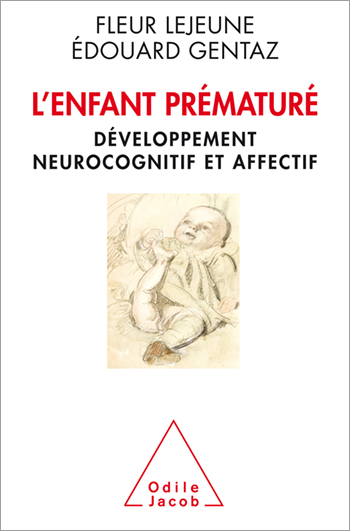
Fleur Lejeune, Édouard Gentaz
The Premature Child Cognitive Development in Premature Infants
Is brain development slower in preterm infants?

Michel Fardeau
A Neurological Passion Jules and Augusta Dejerine
The pioneering couple in neurology. An atypical story of science (and love). Belated recognition of an unfairly ignored female scientist.
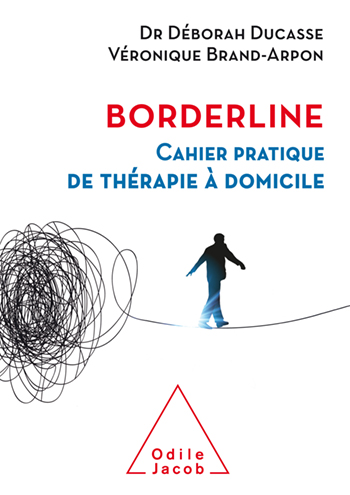
Déborah Ducasse, Véronique Brand-Arpon
BPD Sufferers: Overcoming the Daily Challenges A practical guide to home therapy
A guide based on the daily clinical practice of the University Hospital of Montpellier, one of the French centres of excellence in the management of borderline disorder. A practical self-care guide that allows you to follow a programme to overcome the difficulties that a borderline person encounters on a daily basis.

François Hourmant
The Mao Years in France: Before, During, and After May ‘68
The mechanisms of this “indoctrination,” personalities, organizations, journals, newspapers, authorities, and men in power who nourished and defended the Maoist ideology; what still remains of it today.
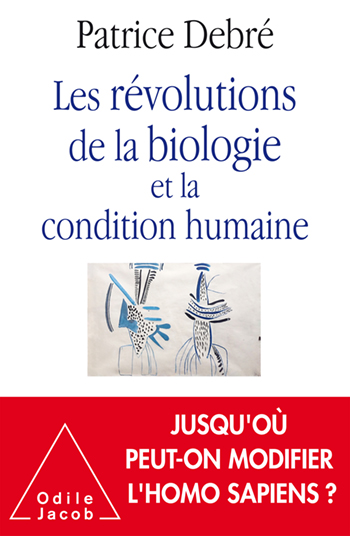
Patrice Debré
Revolutions in Biology and the Human Condition
A reflection on the prowess and the promises of biotechnologies, this text also casts a critical light on the transhumanist project.