Catalog All books
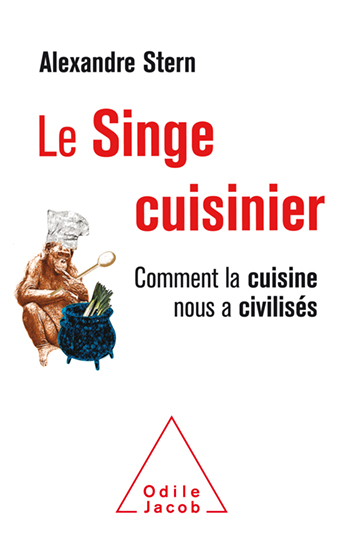
Alexandre Stern
Monkeys in the Kitchen How Cooking Made Us Human
How the invention of culinary and agricultural practices, the discovery and exchange of products, through the millennia have contributed to civilizing the human being.
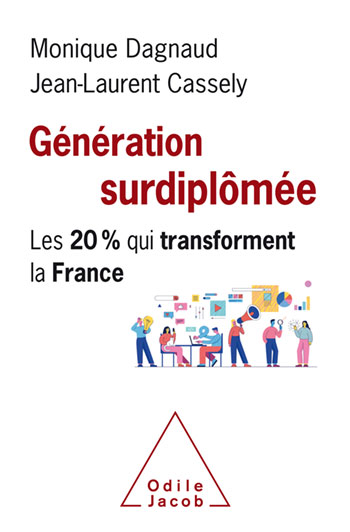
Monique Dagnaud, Jean-Laurent Cassely
The Overeducated Generation The 20% Who Are Transforming France
The reconfigurations around education probably offer the most relevant angle of observation for understanding contemporary societies, and to decipher the popular resentment against the world of the educated elite.
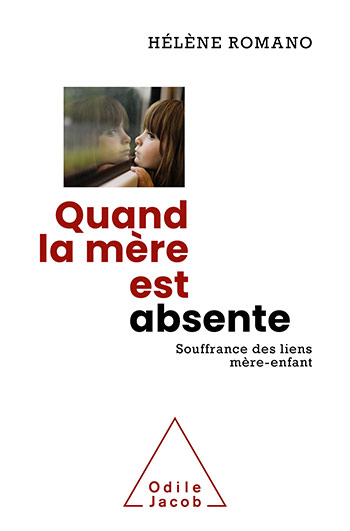
Hélène Romano
Bad Mothers Motherhood for Better or Worse
Confronting the disturbing issue of abuse by mothers can help us to better comprehend and heal the wounds associated with the mother-child relationship
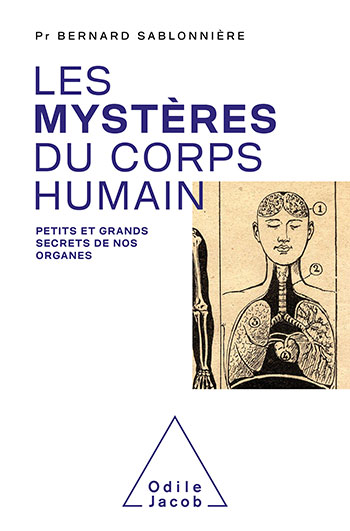
Bernard Sablonnière
The Mysteries of the Human Body
Do your organs interest you? In this new book, Professor Sablonnière offers a guided tour of them, a new Fantastic Voyage that plunges us into the mysteries of the body and its arcana.
Élie Cohen
Industrial Sovereignty
How can we escape our economic dependency and regain our industrial sovereignty? What substance should be given to this “strategic autonomy” that the French and the Germans henceforth hope will be achieved?
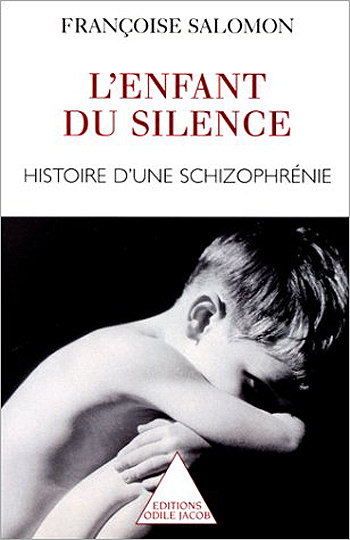
Françoise Salomon
Silent Child The Story of a Schizophrenic
This largely autobiographical book recounts the story of a family brutally shaken their sons violence and mental illnessthough nothing had previously seemed to distinguish him from other teenagers. It is a highly moving chronicle of the world of schizophrenia which remains little known by the general public. The mother of a schizophrenic child, Françoise Salomon is an active member of the French Union nationale des amis et des familles des malades mentaux.
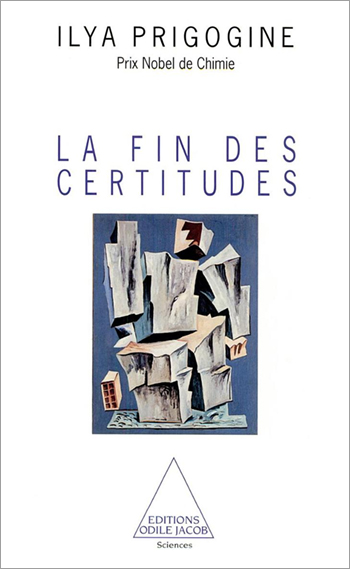
Ilya Prigogine
The End of Certainties
As we come to the end of the century, the question of the future of science is often posed. I believe we are just at the beginning of a new endeavour. We are witnessing the development of a science which is no longer limited to simplified, idealised situations, but makes us face the complexity of the real world. This new science will allow human creativity to be experienced as the unique expression of a fundamental trait common to all aspects of nature. Ive tried to present this conceptual transformation, which implies the beginning of a new chapter in the fruitful relations between physics and mathematics, in a manner that will be comprehensible and accessible to all readers interested in the evolution of our ideas of nature. We are but at the threshold of a new chapter in the history of our dialogue with nature, writes Ilya Prigogine. Ilya Prigogine, winner of the Nobel Prize for Chemistry, teaches at the Free University of Brussels and at the University of Texas, in Austin.