
Catalog All books
Steven Pinker
How the Mind Works
In his new book, Steven Pinker studies the human mind. What is it? How did it evolve? How does it enable us to see, think, feel, laugh, interact with others, have aesthetic experiences, and reflect on our own lives? This is the long-awaited synthesis encompassing all the major explanations offered by evolutionary biology and the cognitive sciences concerning mental life of human beings. Steven Pinker heads the Center of Cognitive Neurosciences at the Massachusetts Institute of Technology. He is the author of the highly acclaimed Language Instinct.
Michel Pinault
Frédéric Joliot-Curie
This is the first biography of Frédéric Joliot-Curie, the founder of French nuclear research and winner of the Nobel Prize for Chemistry in 1935. For many, he represents the political commitment of French intellectuals in the struggle against Fascism in the twentieth century. His life illustrates the transition from traditional science, limited to the world of academia, to Big Science, with major national and international repercussions. Michel Pinault holds an agrégation and a doctorate in history from the University of Paris I.
Alessandro Pignocchi
Art and Intention
The latest scientific research reveals how we perceive and judge works of art


Blaise Pierrehumbert
Attachment in 26 Questions foreword to Boris Cyrulnik
A book for the general reader to learn everything about attachment and understand its repercussions in our daily lives or in those of our children.
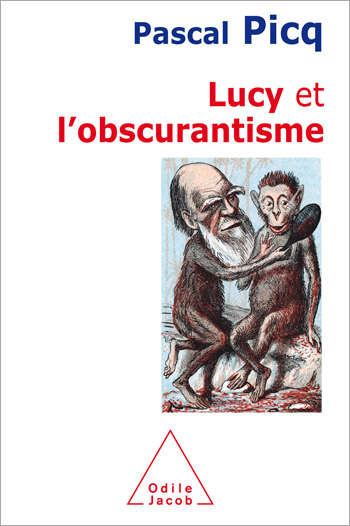
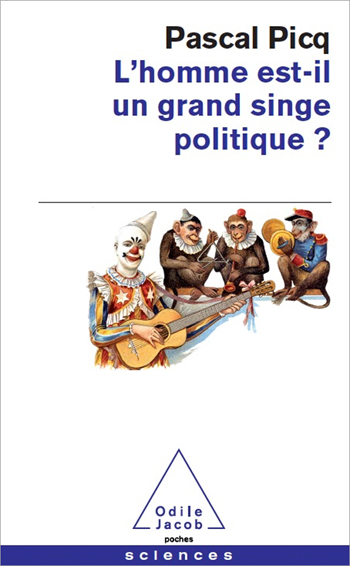
Pascal Picq
Is Man a Political Ape?
Political practices examined by an eminent palaeoanthropologist and primatologist.
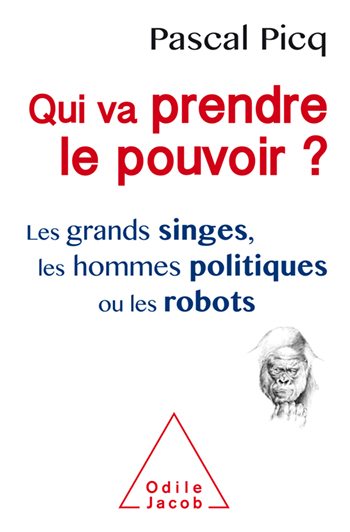
Pascal Picq
Who will take power? Great apes, Politicians or Robots
Like Yuval Noah Harari’s Sapiens: A Brief History of Humankind… with a dash of humour and a knowledge of prehistory too! Transhumanism, which is at the core of this book, is the subject of the moment.
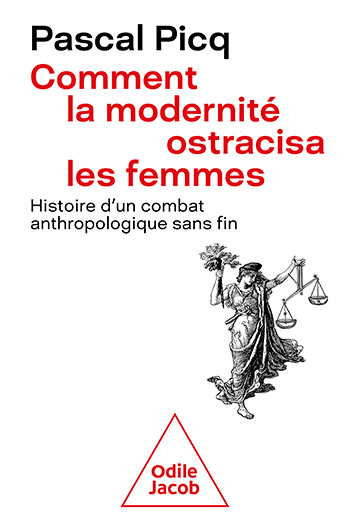
Pascal Picq
Women, Modernity and Progress
A book that looks back at history from an evolutionary perspective, by bringing women to the forefront of history and rejecting gender stereotypes that are often endorsed by historians themselves.
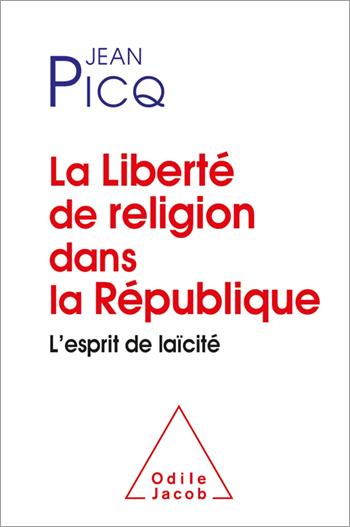
Jean Picq
Religious Freedom in the French Republic Restoring the Spirit of French Secularism
‘Laïcité’ has been at the heart of numerous debates in France. The author argues here for a multifaceted, open secularism.
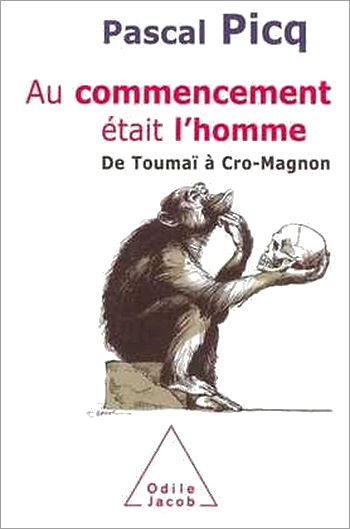
Pascal Picq
And at the Beginning there was Man...
In forty years, the genealogical tree of human evolution has grown so extensively that it now spans six million years. But fossils, the tree of evolution and the story they tell openly challenge all prevailing ideas about evolution; and though they have been shaken, these ideas have barely begun to change. In this book, Pascal Picq examines concrete, existing proof of our origins and then goes on to offer a new view of the human position in the evolutionary process. Pascal Picq is a senior lecturer in paleo-anthropology and prehistory at the Collège de France.
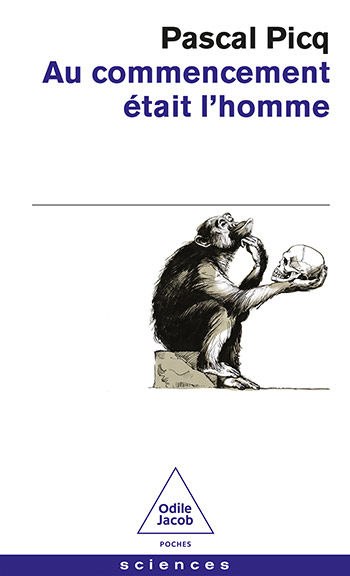
Pascal Picq
And at the Beginning there was Man... From Toumaï to Cro-Magnon
In forty years, the genealogical tree of human evolution has grown so extensively that it now spans six million years.
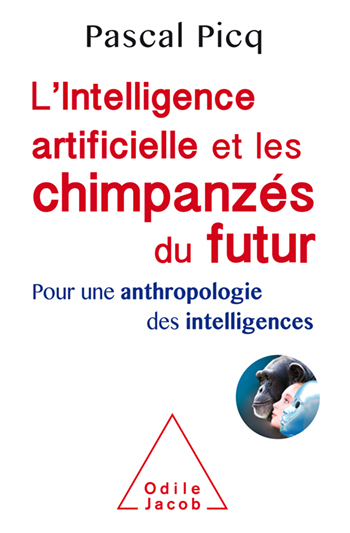
Pascal Picq
Artificial Intelligence and the Chimpanzees of the Future For an Anthropology of Intelligence
Confronted with future challenges connected with the emergence of AI, a lucid and enlightening look by a paleoanthropologist, specialist in evolution.
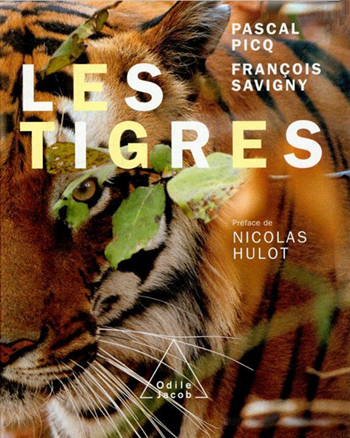
Pascal Picq, François Savigny
Tigers
The tiger is charged with symbolism. In myth and poetry it represents untamed force that can strike suddenly; it can appear stealthily out of nowhere, and vanish just as suddenly.
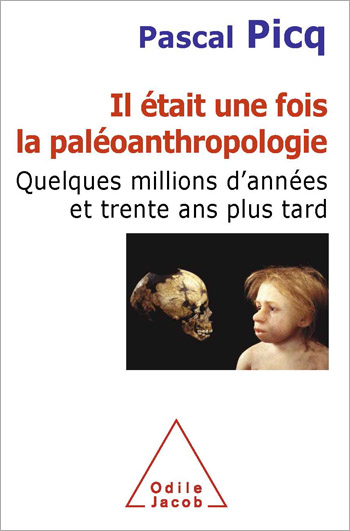
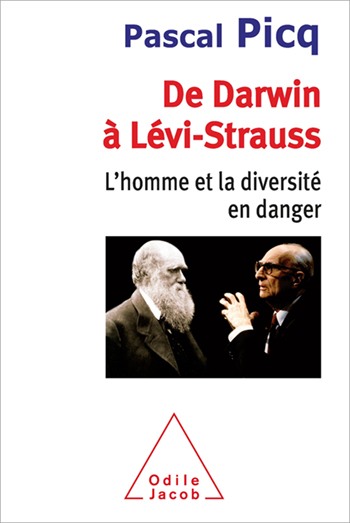
Pascal Picq
From Darwin to Lévi-Strauss
An appeal by an eminent scientist for greater biodiversity, in Nature and humans
Pascal Picq
And Evolution Created Woman Sexual Coercion and Violence in Men
An accessible, compelling assessment of what has been learned concerning the relationships between the sexes/genders from an evolutionary point of view.

Pascal Picq
Mrs Neanderthal Meets Homo sapiens
This enthralling fable is the springboard for Pascal Picq’s questionings about today’s world and its contradictions

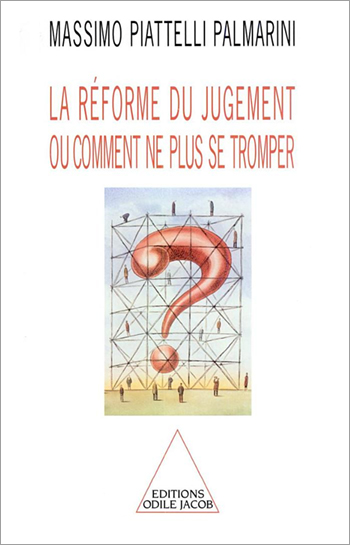
Massimo Piattelli Palmarini
Retraining Judgement How to avoid fooling yourself
How can we reason more effectively ? Everyday, we solve countless problems and take decisions by trusting our intuition, our common sense. Often, it is not only our passions, our emotions that lead us astray, it is the mind itself which tricks us, without us even being aware of it. How can we avoid these traps ? By driving out into the open, with the help of Massimo Piattelli Palmarini, the natural illusions and unconscious mechanisms which occupy our minds, and by working to help our judgement in the same way as psychoanalysis works to improve our emotional lives.
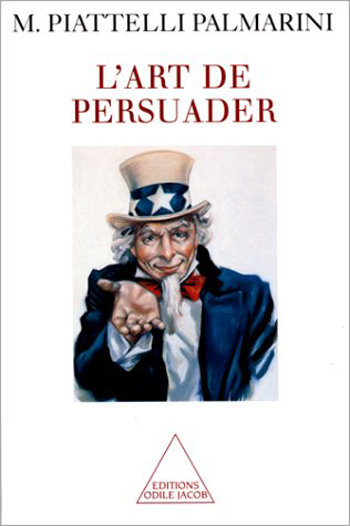
Massimo Piattelli Palmarini
The Art of Persuasion
In love as in politics, in history as in everyday life knowing how to persuade people is a valuable skill. How can one person convince another to renounce his or her opinion, freely and willingly, without appealing to authority, pity or trust? What essential rules must one follow, and what psychological motives must one play on in order to produce this effect ? Using the most recent discoveries in psychology and reasoning as a starting point Massimo Piattelli Palmarini show us how to anticipate the motivation and mental paths of others and so to be even more persuasive. Massimo Piattelli Palmarini is the head of the Department of Cognitive Sciences at the Instituto San Raffaele, in Milan.