Catalog All books

Philippe Conticini, Jacques Fricker
Eat Desserts Freely Pleasure Without Weight Gain
Highly unusual, delicious desserts, created by one of the most creative pastrycooks at work today. Easy-to-make desserts that open the way to creative improvisation. Light recipes: believe it or not, it is possible to eat marvellous desserts made with real sugar and butter without gaining weight. Jacques Fricker explains how you can stay in shape and eat your favourite desserts without losing your figure or your health. Philippe Conticini works for the Petrossian restaurants in Paris and New York. Jacques Fricker is a nutritionist at the Hôpital Bichat, in Paris.
Claude Fischler
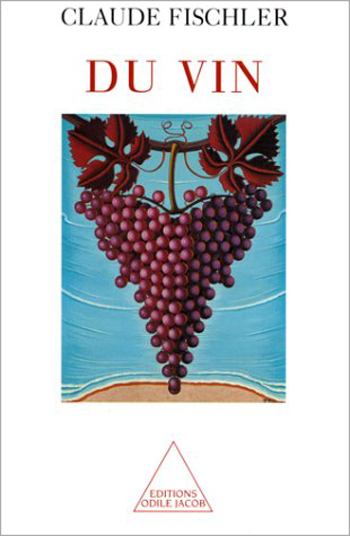
Of Wine
The true wine lover is a rare breed. He doesnt pontificate, instead he asks questions and reflects. When faced with a pompous connoisseur he shuts his eyes so he can sip and taste undisturbed. Which of the two categories do you belong to, reader? Are you a true lover of Bordeaux or a connoisseur of burgundy? What is it that you like about wine? Is it the knowledge that surrounds it or the pleasure it affords? Is it the prestige of a label or the authenticity of its origin? What do all these categories really stand for? The mythology of wine is examined and deciphered in loving detail. Claude Fischler is a sociologist and researcher at Frances Centre National de la Recherche Scientifique.
Nicolas Offenstadt
Shot at Dawn : The Executed of the Great War And the Collective Memory (1914-1999)
Why were some soldiers tried and executed by their own military authorities during World War I? Using previously unpublished source material, the author has been able to throw light on one of the most sombre episodes of the Great War. Besides reviewing the history of the events themselves, the author also examines the struggle with the military authorities to clear the soldiers names, beginning in the period between the two world wars. By the 1960s, the public image of the executed soldiers had begun to change. It would culminate in the British campaign to grant them an official pardon and in the French decision to remember them a ceremony. How, he asks, did these changes come about? Nicolas Offenstadt is a graduate of the Institut des Etudes Politiques, in Paris. He holds an agrégation in history and is a member of the Thiers Foundation.