
Catalog All books
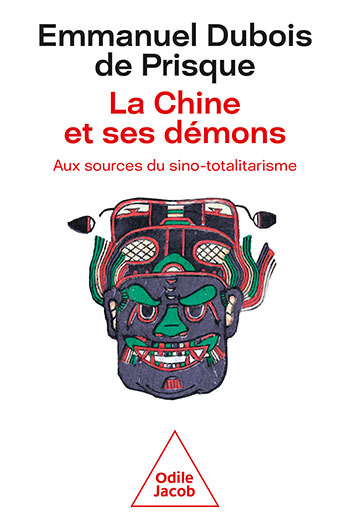
Emmanuel Dubois de Prisque
China and its Demons At the Source of Sino-Totalitarianism
Emmanuel Dubois de Prisque is tackling a taboo by showing how Chinese culture participates in totalitarianism, and by asserting that the CCP identifies as a sacred sovereign.
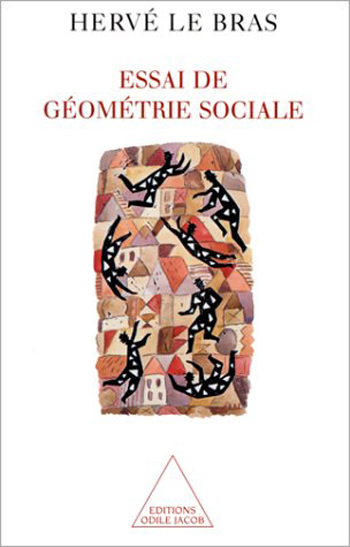
Hervé Le Bras
Essay on Social Geometry
Hervé Le Bras examines here how post-modern mathematics, targeting concrete issues, can help us to address a fundamental concern of all human societies, i.e., how space is occupied. Among many topics he examines pastoral nomadism, agricultural sedentariness, territorial conquest, migrations, ancient and modern urban planning, national and regional development, and road traffic. Hervé Le Bras is a demographer and course director at the Ecole des Hautes Etudes en Sciences Sociales.
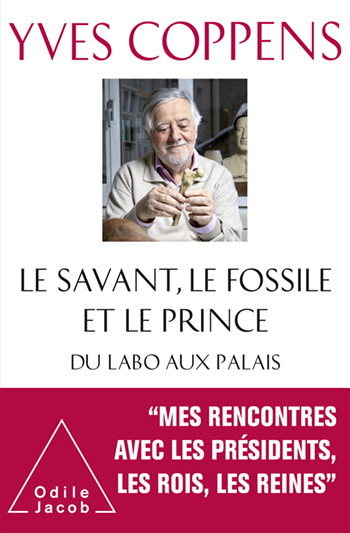
Yves Coppens
The Scholar, the Fossil, and the Prince From the Lab to Palaces
A storyteller with amazing talent, a scientist who is happy to reveal to the greatest of figures other facets of his personality: adventurous, refined, and full of humor.
Christian Ingrao
The Black Sun of Paroxysm Nazism, War Violence, and Now
Very accessible and enlightening historiological analyses of the present time (Nazi violence, war suicides, emergencies).
Frédéric Encel
The Paths of Power
Contrary to current discourse, a bold work that restores a major theme – power – and makes a clear assertion : the necessary return of the State onto the political field.
Jean Dausset
A Nod in the Direction of Life The Great HLA Adventure
Jean Daussets finding that white blood cells play an active role in immunization won him the Nobel Prize for Medicine and opened a new area of biological investigation, both in pure and in applied research. The HLA system harbours a unique peptide which may be regarded as the essence of the self in opposition to everything else much as the pineal gland was regarded as the seat of the soul by Descartes. The distinction between the self and the non-self is an essential one in immunology where an individuals defensive system must fight off foreign bodies while at the same time defending his or her own system. In his book, Jean Dausset recounts the story of his discovery and introduces the reader to other fascinating aspects of his life and work.
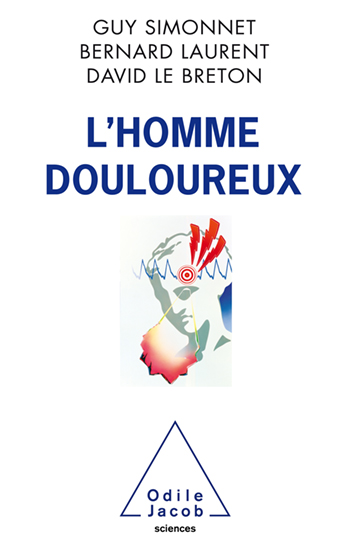
Guy Simonnet, Bernard Laurent, David Le Breton
Humans In Pain
A complete analysis of the phenomenon of pain on three levels: neurobiological, medical, and anthropological.
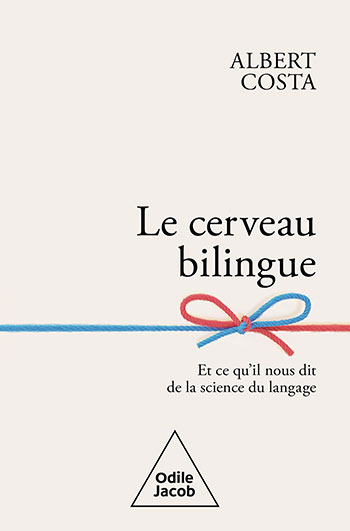
Albert Costa
The Bilingual Brain
A fascinating book on what has often been a controversial topic; a lively summary of the state of the art.
Louis Roussel
Forgotten Childhood
Roussel points to a number of frightening signs among children today failure at school, depression, suicide, juvenile delinquency, violent behaviour and concludes that childhood itself is seriously threatened. The changes in family relations have played a determining role in affecting the lives of all children each and every one of them potential victims of the upheavals that shake our society. Such is the theory that Roussel presents in this book, as he traces more that 20 years of changes in the family and examines their impact on education. Louis Roussel is a scientific adviser for Frances national institute of demographic studies.
Sophie deMijolla-Mellor
At the risk of the order
Could order exist in the absence of any sort of authority to enforce it?
Florence Thibaut
Sexual Abuse
The point of view of a psychiatrist with more than twenty years’ experience in issues of sexual violence.

Béatrice Philippe
The Jews and French Identity
How Jews in France successfully integrated without denying their identity