Catalog All books
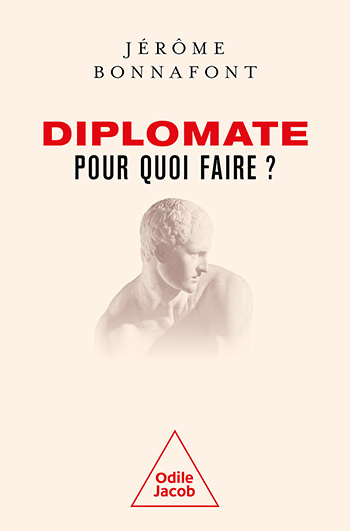
Jérôme Bonnafont
Diplomats: What We Do
A remarkable analysis of the various aspects of diplomatic service and decision-making, and of the levers of national and international power.
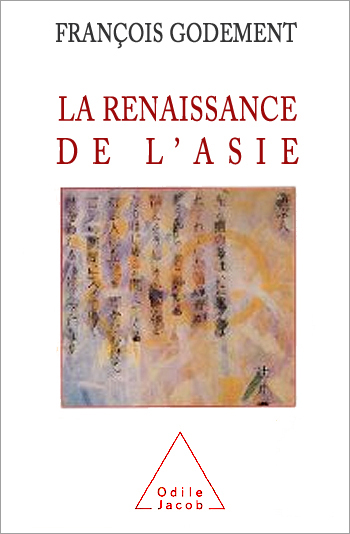
François Godement
The Renaissance of Asia
How can the dynamism of modern Asia be explained ? Is there a unified Asian identity which could point to subsequent unification ? What is the role of the State, and the future of democracy in Asia ? François Godement presents one of the first major histories of the contemporary Far East in which he not only traces the recent history of the continent, but also reveals the future for occidental societies. François Godement is a professor at the Institute of Eastern Languages and head of research at the French Institute for International Relations.
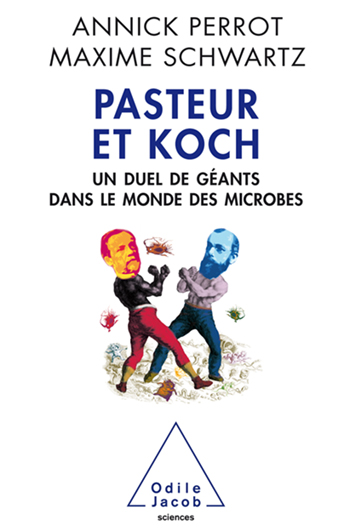
Annick Perrot, Maxime Schwartz
Pasteur et Koch A Duel Between Giants in the Microbial World
The tale of the rivalry between two great scientists engaged in the race to conquer infectious diseases, told against the historical backdrop of rising nationalism
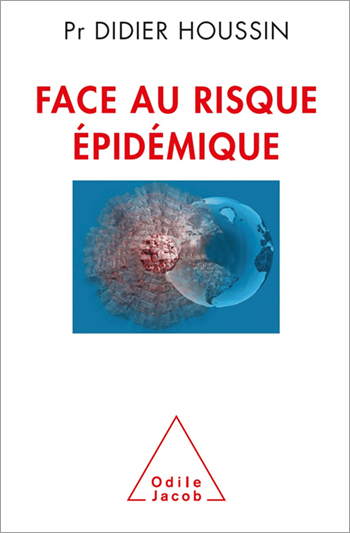
Didier Houssin
Against the epidemic risk
A warning, an analysis and some proposals to protect the world’s future inhabitants
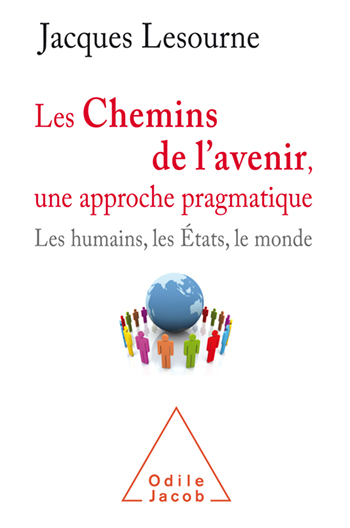
Jacques Lesourne
A Pragmatic Approach to the Way of the Future How can we innovate and bring about change in society?
The originality of the author’s method, i.e. drawing the outlines of the world of tomorrow, and based on this futurist perspective, defining the changes that need to be made.
Catherine Clément, Tobie Nathan
The Couch and the Grigri
This work is a fascinating discussion between a practising analyst who has not ceased to confront his discipline with other disciplines of the mind, and a philosopher with great psychoanalytic experience. It aims to show how cultural heritage a debt linking each generation to its ancestors shapes both how we represent reality and our emotional universe. The authors thoughts and conclusions are thoroughly backed up with a variety of specific examples and observations. Tobie Nathan is an ethno-psychologist and teaches clinical and pathological psychology at the University of Paris VIII. Catherine Clément is a writer and philosopher.
Annick Le Guérer, Bruno Fourn
Scents and Sound, an Unexpected Association
The mysterious voice-scent synaesthesis
Jacques Hochmann
Degeneration Theories Psychiatry and History
The unbelievable story of a mad psychiatric theory centered on the idea of heredity which was put to the most horrible of uses, while having a lasting effect on mentalities.
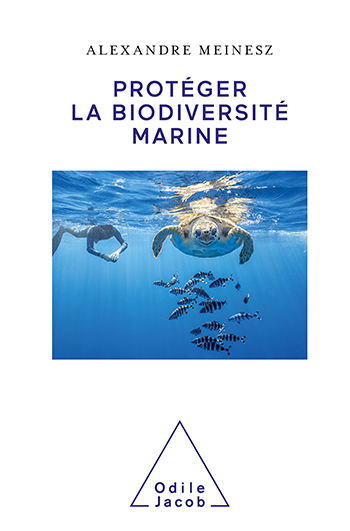
Alexandre Meinesz
Protecting Marine Biodiversity
A new approach to the threat of pollution in the Mediterranean by an expert in Mediterranean marine life.
Alexandre Stern
Who Are You, Homo sapiens? Understanding Our Nature In Order to Live Better
After telling how the art of cooking had humanized, civilized our ancestral apes, Alexandre Stern explores the roots of our humanity to better examine our modern practices and ways of life.
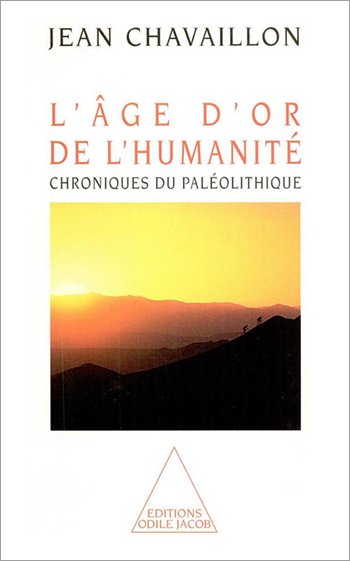
Jean Chavaillon
The Golden Age of Humanity Annals of the Palaeolithic Age
If myths tell the story of civilizations without writing, the myth of the golden age corresponds to a very precise period in the story of mankind: the superior paleololithic (between 35,000 and 9,000 B.C.). Even though different species of hominides coexisted in the same territories of Africa, there were no wars. Human groups were rare, they lived in an environment of abundance. They had time. Without art or religion, their life was carefree. All their knowledge was concentrated on the making of tools and in the mastering of fire. This is the everyday life of men from the Paleolithic which Jean Chavaillon describes in this fascinating book, illustrated by black and white reproductions. Jean Chavaillon, is a research director at the CNRS, a specialist in prehistory and a field worker.
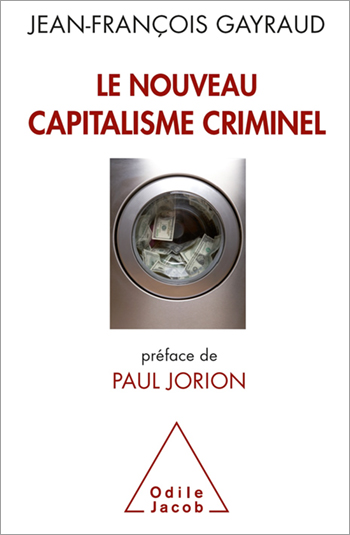
Jean-François Gayraud
A New Criminal Capitalism Financial crises, money laundering, high-frequency trading
How crime creeps into the heart of the global financial system — and perverts it
Daniel Sibony
The Issue of Being
What is Being? An Exchange Between the Bible and Philosophy, Heidegger and the God of Moses
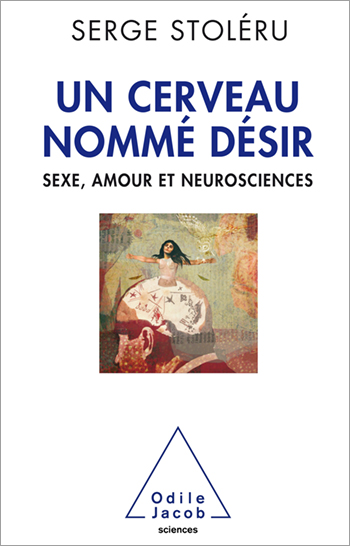
Serge Stoléru
A Brain Named Desire Neuroscience, sex and love
This book follows the route that has led to a better understanding of sexual desire and love: from psychology to neuroscience, passing through attachment theory, ethnology and the theory of evolution.
Jean-Michel Severino, Jérémy Hajdenberg
Afrique entreprise Africa invents its own growth model
A richly illustrated book, which intelligently combines a detailed examination of companies and business sectors with a macroeconomic approach to strengths and weaknesses of growth.
Yves Michaud, Valérie Julien Grésin
Digital Mutation, and the Human Responsibility of Leaders
This book responds to a need being expressed increasingly within corporations to find the tools for reflection and discernment.
Jacques Lesourne
Europe at Its Twilight? A prospective Essay
What are the strategies that can halt Europe’s decline?
Fabrice Jollant
The Suicide Understanding and Helping Those at Risk
Understanding the causes of fragility, in order to identify vulnerability to suicidal behaivours
Éric Crubézy, Dariya Nikolaeva
Archeology of the Vanquished or History of the Victor?
An analysis of natural selection, the evolution of societies, and adaptation to climate and the environment. A different way of looking at history, by questioning what ensures the survival of certain societies facing extreme natural conditions as well as invasions and colonization.
Philippe Aghion, Céline Antonin, Simon Bunel
The Power of Creative Destruction A publishing event in Economics!
This book brings together five years of courses at the Collège de France and more than thirty years of research and instruction on “the economy of creative destruction.” It is Philippe Aghion’s seminal work.
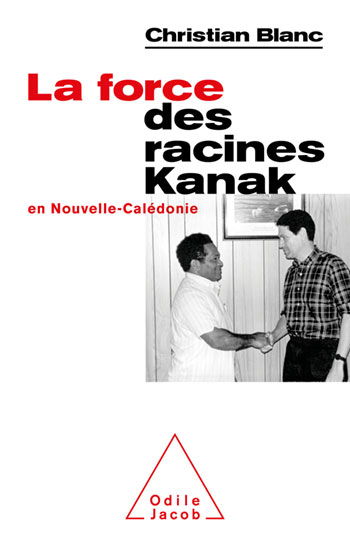
Christian Blanc
The Strength of Kanak Roots in New Caledonia
An exceptional account of a significant episode in the recent history of France, by one of its principal participants.
Patrice Debré
Research in Times of Epidemics From AIDS to Covid
The views of a doctor, who analyzes the AIDS crisis as the catalyst for a new health democracy, in relation to the recent debates on the management of public health policies.
André Grimaldi, Yvanie Caillé, Frédéric Pierru, Didier Tabuteau
The Truth About Chronic Diseases
A team of authors that brings together the greatest specialists in French medicine in the most important fields: diabetes, cardiovascular disease, neurology, infectious disease and allergies. A real encyclopedia, which leaves no point in the shadows: from difficulties in following treatment to patient-physician relations, from families and carers to the public health system. A book that anticipates future problems faced by medicine, by doctors and by patients.
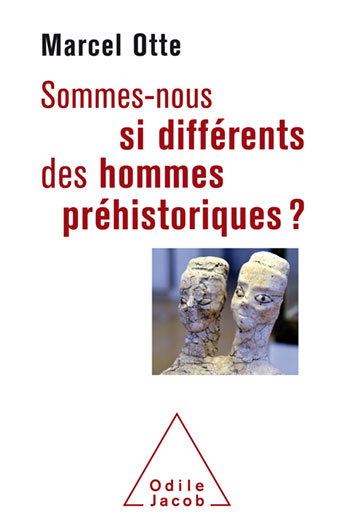
Marcel Otte
The Metamorphoses of Humans
A light shed by prehistory on the profound nature of humans, their relationship to the natural world, their appetite for conquest, but also their passion for challenges and their inventiveness.
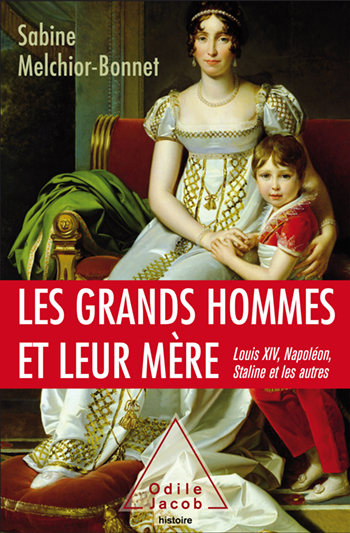
Sabine Melchior-Bonnet
Great Men and Their Mothers Napoleon, Louis XIV, Francis I, Kennedy and others
Another way to write the biography of a number of great men. An unusual historical perspective, intertwining serious research and a talent for writing. A history of representations of the maternal figure and a study of the evolution of the filial bond. A historical standpoint that offers readers a fresh look at the lives of men they thought they knew well, from Louis XIV to Stalin, via Napoleon and Kennedy

Olivier Artus, Sophie Ramond
Contemporary Challenges and the Hebrew Bible An Ethics of Good and Evil
A text that combines history, biblical science, philosophy and ethics, for an original reflection on society’s current challenges in terms of justice, ecology and human dignity.
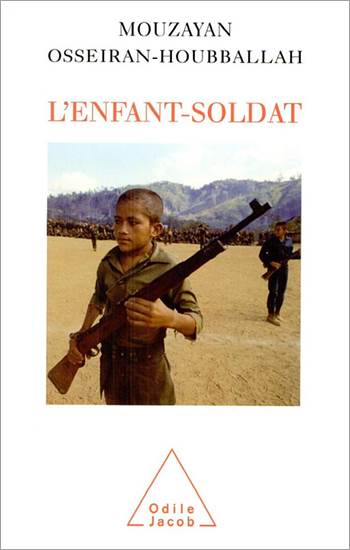
Mouzayan Osseiran-Houbballah
The Child Soldier
The existence of thousands of child-soldiers is one of the scandals of our time. UNICEF has estimated their number in the world today at 300,000 a figure that has grown in recent years due to the increase in the number of civil wars. What happens to them when the fighting ceases? Why are they no longer visible in Beirut, or elsewhere? Why do so many of them end up in drug-detoxification centres? What does the future hold for these children who know nothing besides how to handle weapons? Mouzayan Osseiran-Houbballah is a psychologist.
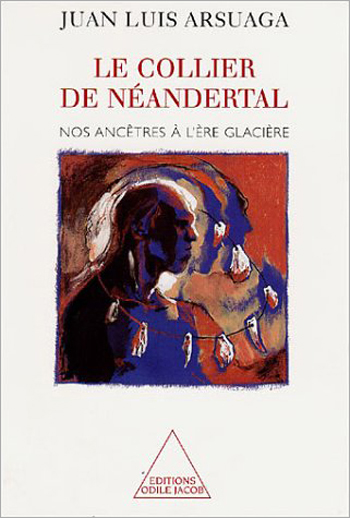
Juan Luis Arsuaga
The Neanderthal Necklace Our Ancestors of the Ice Age
The conflict between Neanderthal man and Homo Sapiens during the European Ice Age is told here by Juan Luis Arsuaga, one of Europes most eminent pre-historians. Why did the stronger, better adapted Neanderthal become extinct, while our ancestors flourished? How can this critical phase in human development be explained? The tragic story of the extinction of this species so like and yet unlike our own can help us to understand our human strengths and assets. It would seem that we are here because Neanderthal man is dead... Juan Luis Arsuaga is a professor of palaeontology at the University of Madrid and a lecturer at University College London.