Catalog All books
Daniel Pinto
The Clash of Capitalisms How we were deprived of our entrepreneurial genius and what we can do to reinvent it
Does capitalism still have a future? This book shows that it does, but only if it retrieves the formula that led to its success: the spirit of enterprise coupled with state support.
Marc Jeannerod
Of Mental Physiology A History of the Relationship Between Biology and Psychology
A relative newcomer to the world of science, psychology gives rise to a rivalry between two older siblings, philosophy and biology. This enduring conflict between materialism and spiritualism, which continues today in other forms, without adoubt was the driving force behind its progress. What we know today about the spirit is a result of this history. Biology and psychology have shaped each other in turn. This book represents a riveting study on how two centuries of spiritual quarrelling made possible the modern attempt to establish the inner workings of the mind. A professor of physiology at the Université Claude Bernard, Marc Jeannerod is also the director of an Inserm neurological research team in Lyon.
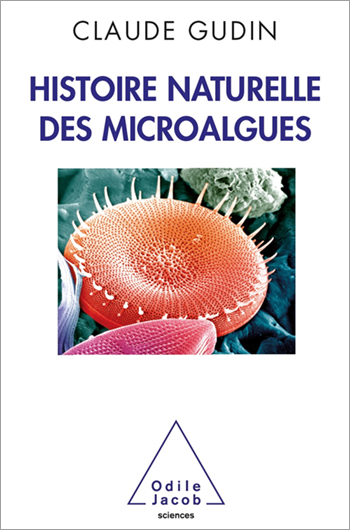
Claude Gudin
The Natural History of Microalgae
The amazing properties of microalgae may be crucial for the future of humanity

Hélène Cardin, Danielle Messager, Françoise Barré-Sinoussi
The AIDS Revolution
Thirty years after the groundbreaking discovery of the HIV virus, its co-discoverer assesses today’s social and medical situation.
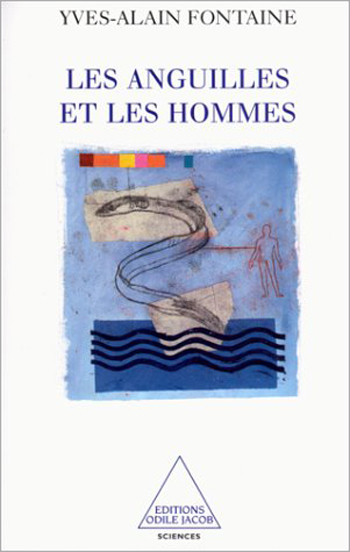
Yves-Alain Fontaine
Eels and Man
In this book, the author, an expert in his field, describes the most fascinating stages in the eels biological cycle, its migrations and the modifications it undergoes during its life. Eels interest us not only because of their life and breeding cycles, but also because of the questions they raise concerning our ideas about evolution. Does the notion of adaptation suffice to explain everything the eel has become? Doesnt a living creature maintain a certain amount of independence in relation to the world that surrounds it? Or is the relationship between a living creature and the environment which surrounds it more complex that we have generally realised ?

Hervé de Carmoy
The Bank of the 21st Century USA, Great Britain, Japan, France
This past decade has seen a profound modification of the banking environment due to technological mutations and a globalization of economy. What is the future of one of the oldest trades in the world, the money trade? What will tomorrow's bank look like?Hervé de Carmoy gives a thorough account of the recent banking evolutions in the United States, in London, in Japan, as well as in countries in full expansion, such as China. He takes stock of the setting up of bank industry in France. He questions the impact of drug money on financial circulation and diagnoses the emergence of a new banking model, the "Dividend-Bank", centered around transparence, rigour, profit and the obsession with clients. Former administrator-in-chief of the Midland Bank in London, Hervé de Carmoy is currently chairman of the BIMP. He is the author of "Banking Strategy".

André Holley
In Praise of our Sense of Smell
Disparaged by the great philosophers and even by Darwin, who considered it useless, yet praised by Proust and Baudelaire for the richness of the emotions it inspires, the human sense of smell is generally considered secondary to the other senses. But is it really? André Holley makes a scientific argument for this powerful yet ambiguous sense. He also examines the tendency on the part of our society to deodorise to refuse accept that smells are sometimes bad, on the other hand inventing entirely new smells with the help of chemistry. Researcher at the CNRS, André Holley is a professor of neuroscience at the university Claude-Bernard in Lyon.

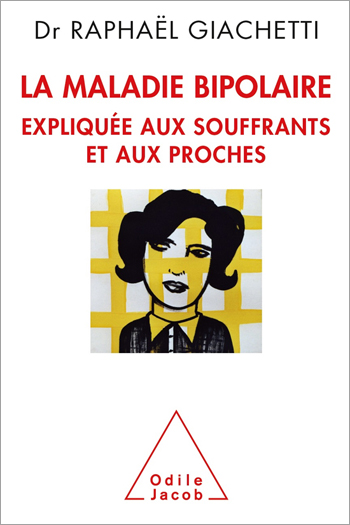
Raphaël Giachetti
Living With Bipolarity
Bipolar disorder explained to patients and their loved ones.

Dominique Schnapper
Work And Love Memoirs
A review of the greatest half-century in French sociology, by a leading intellectual
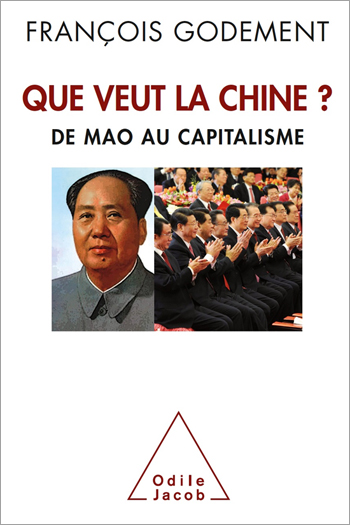
François Godement
Whither China?
A fascinating inquiry into the core of Chinese political life, by an eminent expert on China.

Helena Compper-Grosgogeat
My Detoxifying Method Using Acid-Base Nutrition
ost people embark on a new diet full of good intentions — only to abandon it a few weeks later. What they need is a tool to help them keep up their motivation on a day-to-day basis...
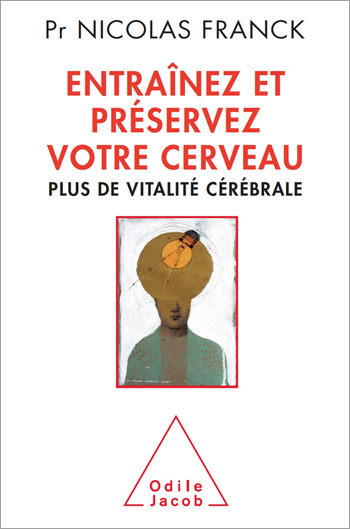
Nicolas Franck
Exercises to Maintain Your Brainpower
Practical exercises to maintain and enhance your mental capacities
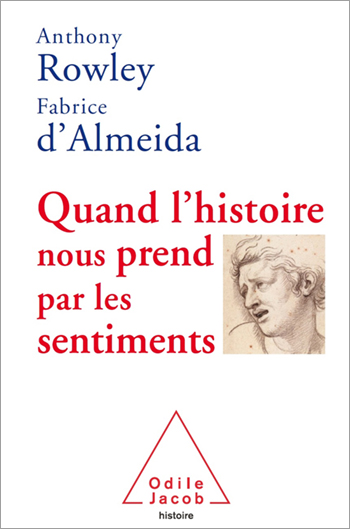
Anthony Rowley, Fabrice d'Almeida
When History Captures Our Emotions
the authors recount 20 stories that made history and that reveal the role played by the emotions over the centuries
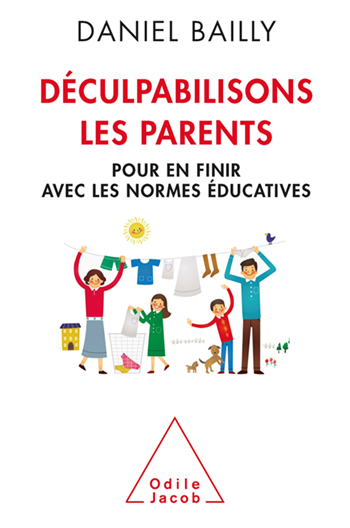
Daniel Bailly
Let’s Stop Making Parents Feel Guilty And Let’s Abolish Educational Norms
Parents need to feel more self-confident and spontaneous so they can focus on their child’s real needs


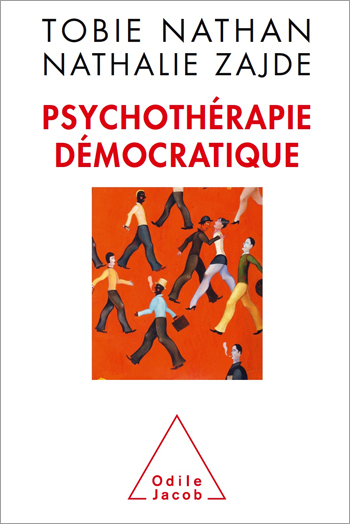
Tobie Nathan, Nathalie Zajde
Democratic Psychotherapy
Psychotherapy is gripped by an intense paradox. It is being attacked (apparently justifiably) on all sides....
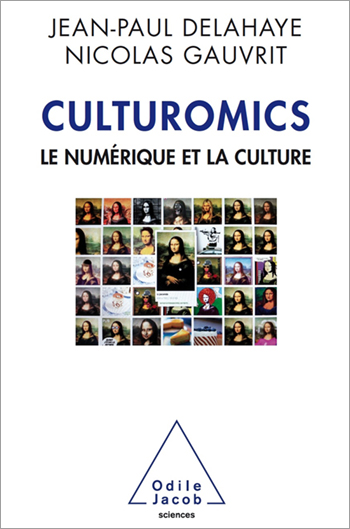
Jean-Paul Delahaye, Nicolas Gauvrit
Culturetech: Digital Culture
The development of electronic databases (and of Internet search engines to explore them) has given rise to such new behaviours as egosurfing...

Christophe Massin
To Suffer or to Love
Psychological and spiritual tools to feel better about yourself and with others
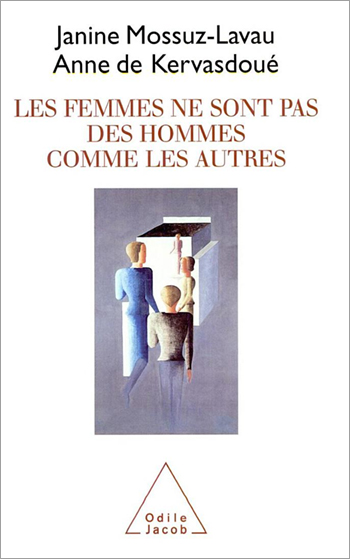
Janine Mossuz-Lavau, Anne de Kervasdoué
Women are Not Just Men
The changes which have come to be in the second half of the 20th century have taken women a long ways from the profile adopted by their mothers. Do all these transformations lead us to trace the portrait of a woman who has become a clone of men ? We can ask ourselves this question when we remember the arguments of feminists in the 70's employing the "egalitarian" themes of Simone de Beauvoir. More recently, some have gone so far as to announce the coming of an "androgynous" society. But what do the women and the men of this country think about all this ? How do women see themselves in relation to men ? How do they define themselves and how do they describe the men of their lives ? A very pointed realization of today's female identity. Janine Mossuz-Lavau is Director of Research at the CNRS.
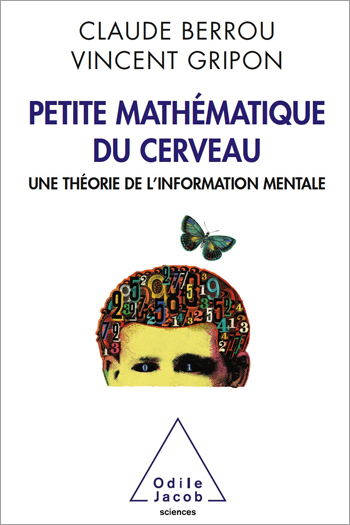
Claude Berrou, Vincent Gripon
Some Brain Mathematics A Theory of Mental Information
How the human brain processes information — an explanation between neuroscience and information technology.