
Catalog All books
Pierre Fédida
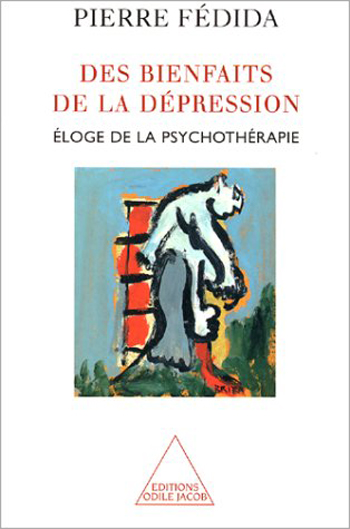
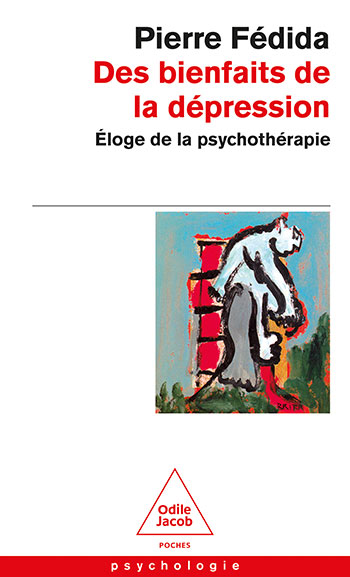
The Benefits of Depression An Appreciation of Psychotherapy
When we attempt to cure human suffering with a chemical pill, arent we denying the real issues that have given rise to depression? Must we resort to denying the psyche in order to come out of a depressive state? Isnt there another way? Pierre Fédida shows that the emergence of a depressive state can always be explained by the disappearance of the capacity to fight off depression : the goal of the psychotherapy of depressive states should be the recovery of this capacity in order to regain ones vital inner balance without the reliance on chemical solutions. Pierre Fédida is a psychoanalyst.
Rachel Mazuy
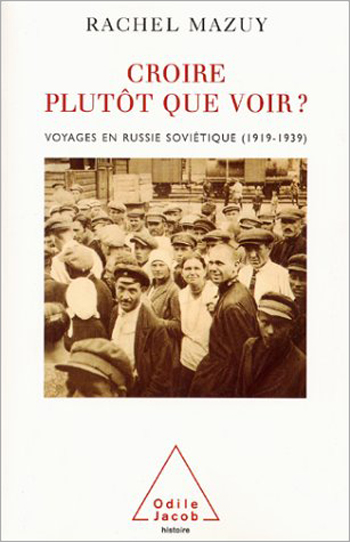
Believing Rather Than Seeing ? Travels in Soviet Russia (1919-1939)
The Russian Revolution provided the working-class movement with a concrete model of socialism. For French militants, as well as for many members of the cultural and political elite, the Soviet Union became the goal of a secular pilgrimage (or an anti-pilgrimage). This book tells the story of those travellers. Who went on such trips? How and why? To what extent did the trip influence their political and social development? Rachel Mazuy is a lecturer at the Institut dEtudes Politiques, in Paris, and teaches at the Lycée Honoré Balzac, Paris.

Régis Debray
Believe, See, Do Crossings
In this work, Régis Debray gives free rein to his thoughts and tackles the varied subject matter provided by daily events encountered " in the news, out of the blue, or through friendship or surprise, at a moments notice and without great forethought. " The subjects he writes about range from " the Gulf War to a photo exhibit, from Tatis Jour de Fête to copyright registration, from a daydream about water to a meditation on road travel. " Other works by Régis Debray published by Editions Odile Jacob include Que Vive la République!, Tous Azimuts, and Transmettre.
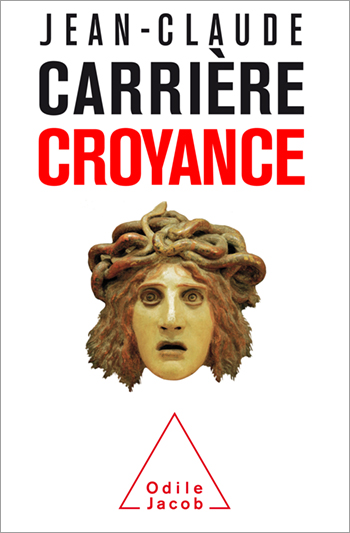
Jean-Claude Carrière
Belief
The impact of science is on the wane — while religious belief is omnipresent and all-powerful

Manès Sperber
Being Jewish
A non-practicing Jew, Manès Sperber learned to read the Bible at the age of three and continued to re-read it until the end of his life. Neither religious, nor a militant Zionist, nor an aethiest, nor aligned with any cultural Judaism, he professes as his only faith a "religion of good memory." His is a Judaism lived as humanism and as an ethic, as a refusal of all idolatry, of exclusion of others, and a constant combat against hate of any kind. It is a profound attachment to the Israelite nation and a prudent attitude towards the State of Israel that Sperber illustrates in these brilliant essays prefaced by Elie Weisel, where analysis of Jewish thought and identity walk hand in hand with the eternal question: Why anti-semitism?