Catalog All books
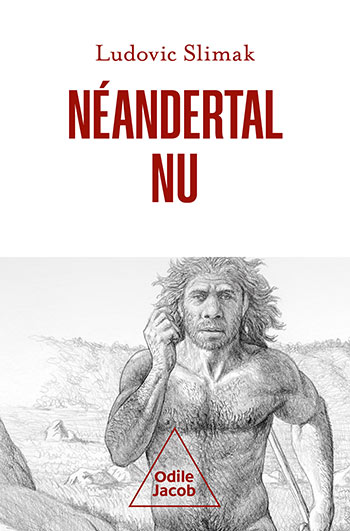
Ludovic Slimak
Neanderthal Uncovered
Neanderthal Man as he truly was; an innovative and enthralling book, which takes us on a journey through space and time with our “human brother.”

Christian Vigouroux
The Society of Scorn
The work of a great connoisseur of the arcana of the French senior administration and of French society.
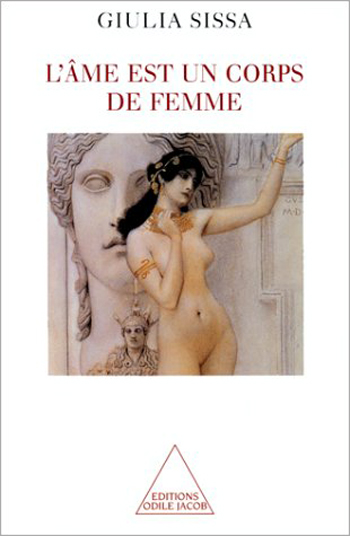
Giulia Sissa
The Soul is a Feminine Being
Do women have a soul ? Philosophers have historically doubted this, refusing to accord women rationality. However, at the same time, they have been unable to imagine the soul without the help of feminine metaphors : the soul conceives, it is pregnant with knowledge, it gives birth in pain and distress but always with the help of someone. In reading classic texts such as Derrida, and deconstructing them while drawing comparisons with others and focusing on what may seem paradoxical, such as the many Freudian slips, Giulia Sissa leads us to interrogate ourselves on the exclusively feminine attributes of the Western soul. A radical questioning of the difference between the sexes which leads us to the most profound aspects of our culture.

Bernard Croisile
Alzheimer Everything You Need to Know about Alzheimer’s
A reference work that offers hope, by a top specialist on Alzheimer’s disease
Jacques deLarosière
50 Years of Financial Crisis french version
From Breton Woods to the Lehman Brothers collapse, the true story of 50 years of financial crisis

Tobie Nathan
The Secrets of your Dreams
Each of these case studies is illustrated by Eloise Oddos, making the book an attractive gift. A true practical guide of the interpretation of dreams, it is concrete, precise, practicable, written by one of the most inventive French authors. This book renews our understanding of dreams and puts the study back in its deserved place in our "rationalised" lives.

Gérard Slama
Living Better with Diabetes Third edition revised and expanded
A true little encyclopedia of diabetes. Dr. Gérard Slama: one of the foremost experts, more than 40 years spent treating diabetics. To understand the various types of diabetes, their characteristics, their treatments. Essential rules to treat oneself when one is insulin-dependent.

Fanny Nusbaum
The Secret of High Performers
Psychology and neuroscience as scientific support for a new understanding of high performance, by an author who is both a clinician and a researcher.
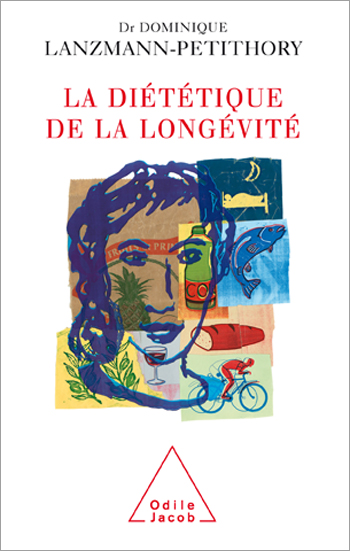
Dominique Lanzmann-Petithory
Nutrition for a Long Life
A long life is built gradually from early childhood. But regardless of ones age, it is never too late. Longevity is not only a question of genes: most of us are capable of living in good health for a long time. But how? The answer, according to Dominique Lanzmann-Petithory, is by eating healthily and following some basic health rules. This practical manual will allow each reader to find and maintain his or her maximum energy and, above all, to learn the arts of eating and living. Dominique Lanzmann-Petithory is a physician.
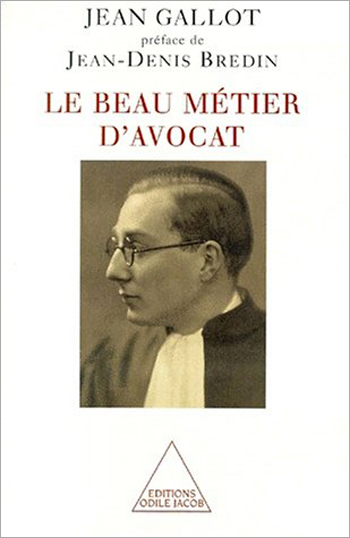
Jean Gallot
The Beautiful Job of Being a Lawyer
Jean Gallot was born at the beginning of the century and studied in Paris. He rapidly made a reputation for himself as one of the most brilliant lawyers of his generation. In this book, he reflects upon the copious experiences of a lifetime, the cases he so ardently defended and his meetings with famous people of the time. This is a precious record of an era, as well as of a profession that is currently undergoing major changes in France.
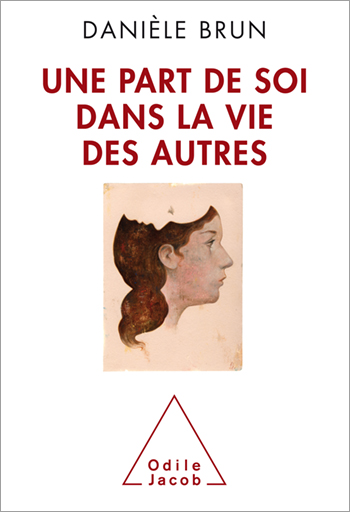
Danièle Brun
A Part of One’s Self in the Life of Others
The role of the patient in the psychoanalyst’s personal life