Catalog All books


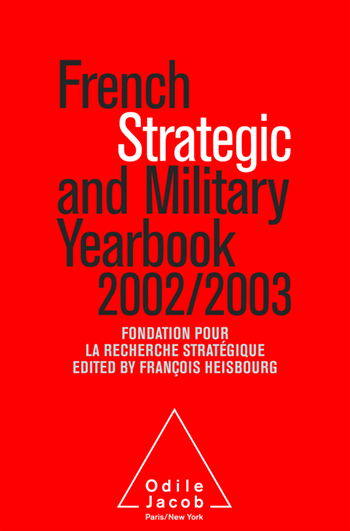
Fondation pour la Recherche Stratégique, François Heisbourg
French Strategic and Military Yearbook 2002-2003
The advent of hyperterrorism on "9/11" and subsequent military operations have marked the return of strategic affairs as a core concern of the citizens of our countries. This French Strategic and Military Yearbook analyses from a European vantage point the major themes of our time: American military operations, Russsia's new geopolitics, the struggle against mass destruction terrorism. The Yearbook is complemented by on-line data provided by the Paris-based Fondation pour la Recherche Stratégique (FRS).
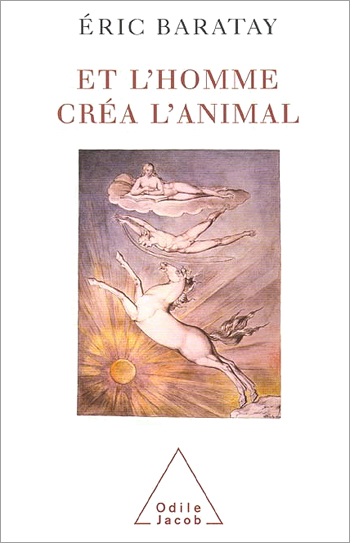
Éric Baratay
And Man Created the Animal History of a Condition
In this book, Baratay holds a mirror up to humanity. He reviews the changing status of animals throughout human history: from ancient myths about animal domestication to the invention of bullfighting, from the great pastoral epics to modern slaughterhouses, from the ancient role played by animals in the human imagination to modern laboratory testing. Eric Baratay is a historian specialising in the contemporary world and in the status of animals.


Dominique Barbier
Depression
This is a practical book, aimed at those suffering from depression, as well as their families and friends. It reviews such basic questions as: What is known today about depression? How can depression be recognised? What are its different forms? What are the complications? How can it be treated? Dominique Barbier is a hospital psychiatrist, in Montfavet, southern France.