Catalog All books

Bénédicte de Boysson-Bardies
How Does the Power of Speech Come to Children ?
How does the newborn, from his cradle, perceive the sounds that make up words? How does he hear and extract sounds, and then recognize, organize and analyze them? How does an infant come to understand and reproduce language? How does the power of speech come to children? Benedicte de Boysson Bardies invites the reader to follow the newborn from his first minute of life to his first sentence, retracing step by step the process of acquiring speech. As a psycholinguist, Benedicte de Boysson Bardies specializes in the acquisition of language by young children.

Philippe Taquet
The Imprint of Dinosaurs
"In 1964, my steps encountered the prints of dinosaurs and, ever since, my shoes have travelled extensively, from the Tenere desert to the Brazilian Sertao, from the Laos forest to the steppes of Mongolia; I was lucky to discover several dinosaurs and happy to share the life of many inhabitants of this planet, Tuaregs in Niger, Berbers from the Moroccan High-Atlas or winemakers from Corbières in France. By recounting these journeys in search of dinosaurs, I wish to draw the reader in a world that owes nothing to fiction but a lot to science." Philippe Tacquet

Georges Charpak, Henri Broch
Becoming a Magician is Becoming Wise
Would you like to know how to burn out a light bulb from afar? Would you like to know how to walk barefoot on burning coals without scorching your feet and as comfortably as if you were walking on the softest deep-pile rug? And would you like to understand why this is possible? Magic here has simply switched sides: it no longer belongs to the realm of the supernatural; it has become completely natural.The goal of this book is to make the reader understand that the supernatural does not exist and that it is essential in todays world to be scientifically literate. Georges Charpak, a physicist at CERN, is a winner of the Nobel Prize for Physics. Henri Broch heads the Laboratoire de Zététique at the University of Nice-Sophia Antipolis.

Anne-Cécile Sarfati
Women’s Guide to Success How to Reconcile Personal and Professional Life
A practical tool offering concrete advice to women who may sometimes feel discouraged and disillusioned in the course of their professional lives.

Philippe Pédrot
Judging What Cannot Be Decided The Body Seized by the Law
This is a careful study of the cataclysm that biomedical technology has wreaked on procreation, gestation, life and death.
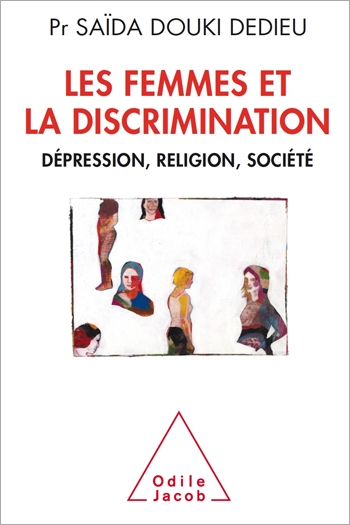
Saïda Douki Dedieu
The Weight of Discrimination on Women Women’s Mental Health
What is the connection between women’s status and their mental health? Saïda Douki examines the question.
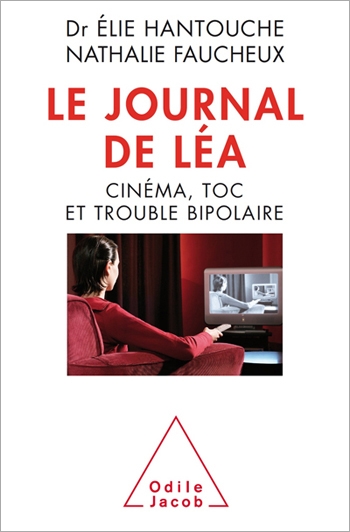
Élie Hantouche, Nathalie Faucheux
Lea's Diary OCDs and Bipolar Disorders
How to overcome one’s mental disorders by watching films about them.
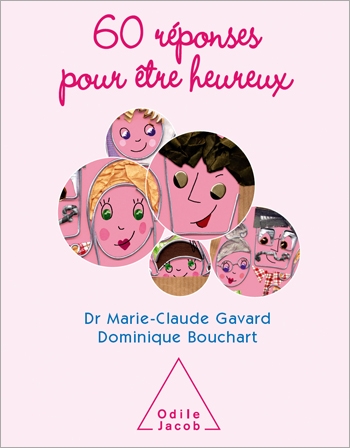
Marie-Claude Gavard
When Adoption Becomes a Nightmare
Defying the dominant view on adoption, the author lays bare the psychological difficulties involved.

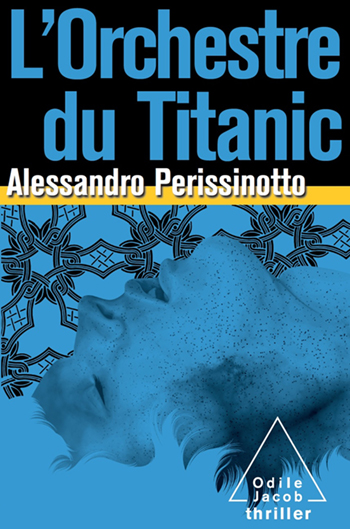
Alessandro Perissinotto
The Titanic’s Orchestra
The final book in the trilogy with amateur investigator Anna Pavesi — and the mood is darker and more terrifying than ever!
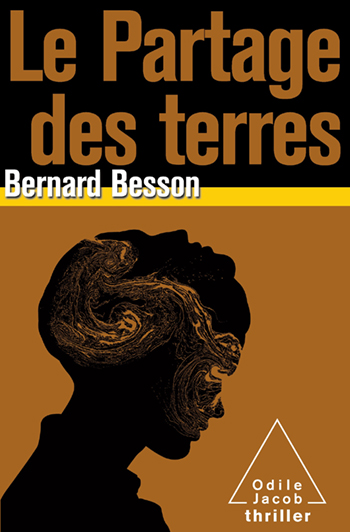
Bernard Besson
Sharing Rare Earth Resources
An eminent expert in economic intelligence offers a riveting thriller against a backdrop of international financial corruption
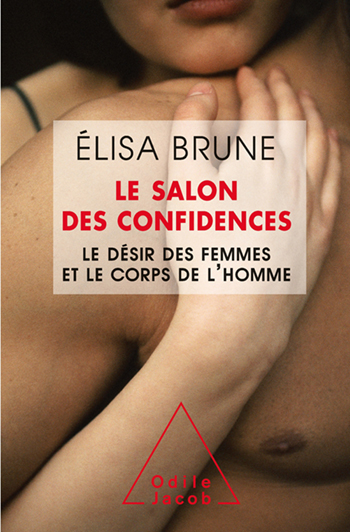
Élisa Brune
Private Confidences Female Sexual Desire and Male Bodies
Elisa Brune continues her enquiry into female sexuality with a wide-ranging anthology of erotic short stories
Malinka Dauverné
Early Bonding Advice for Parents
A book for parents to help them bond and establish a good relationship with their child, from the start.
Henry Delmar, Jean-François Mattéi
Philosophy of Aesthetic Surgery Surgery as Desire
What are the visible and hidden forces that drive personal transformation?

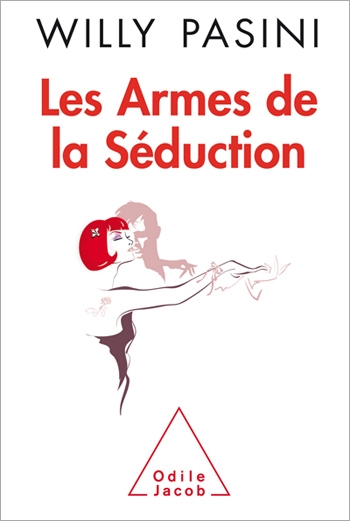
Willy Pasini
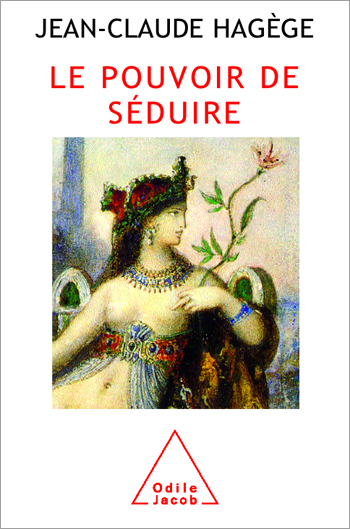
The Arms of Seduction
A lesson in seduction for those who wish to seduce without being seduced

Alain Prochiantz
The Anatomies of Thought What do squid think about ?
When we watch a squid facing up to a predator, we see it recoil, agitate the tentacles, spray a jet of ink, and then make use of the temporary blindness of the predator in order to escape to a safe hiding place. Are we able to say what it is thinking ? Evidently, we know that this behaviour is not the result of a reflex unleashed by the sight of an enemy. The mollusc is not however conscious of its acts, at least not in the sense that we, as human beings, understand this term. It is true that we are the product of a evolution of species, and that, although this may not be welcome news for everyone, we share a common ancestry with the octopus, or even the fly. Even if the structure of our cortex, and the invention of language allows us to write about octopuses (or flies), and not the other way round, the fact remains that these evolutive roots, in the same way as other animal species, including invertebrates, have something to teach us about the nature of our thoughts. Alain Prochiantz