Catalog All books
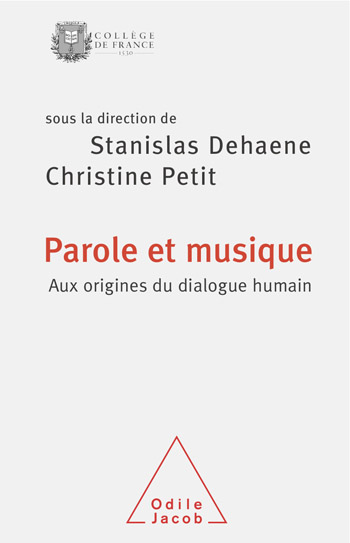
Stanislas Dehaene, Christine Petit
Words and Music Genesis of human dialogue
Speech and music shape social cognition through shared emotional states, intentions, symbols and cultures...
Monique Sicard
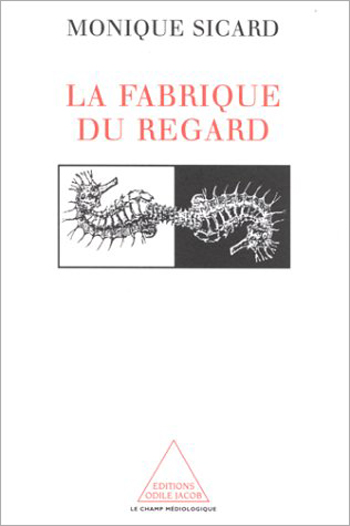
The Making of the Image
It was during the Renaissance that images and pictures were first used by anatomists, microscopists, and astronomers as scientific tools. In that era, scientific images served as a kind of inventory of the known world. In the 19th century, the popularization of scientific ideas gave science a new vigor. Photographic images gave science a new reality, explaining and legitimizing scientific concepts--movement, for example--to a fascinated public. In our days, the scientific image is often a construction--helping us to represent objects and ideas that, like fractals or black holes, cannot be defined through actual observation. Monique Sicard is Projects Director at CNRS Images Média.

Antoine Garapon, Frédéric Gros, Thierry Pech
And this is Justice Punishment in a Democracy
What is the meaning of a sentence? This is the issue that the present book faces squarely and directly, from the philosophical, ethical and political angles. The authors goal is less to confront different viewpoints than to defend a shared belief: a just sentence is one that restores bonds. Antoine Garapon is a former juvenile judge. Frédéric Gros is a philosopher. Thierry Pech is a researcher.