Catalog All books
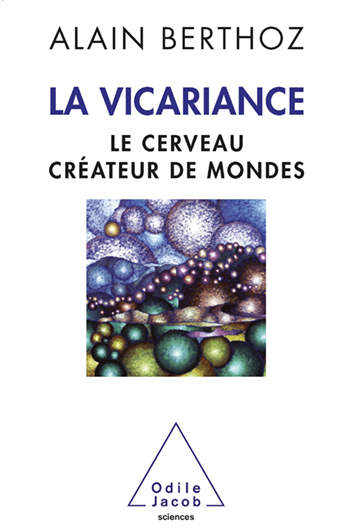
Alain Berthoz
The Vicariance The Brain as Creator of Universes
A new concept, invented by Alain Berthoz, to explain the mechanisms governing human creativity
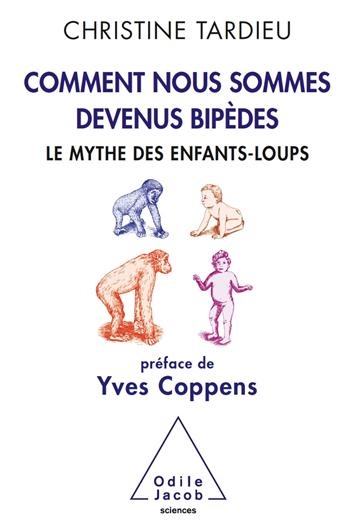
Christine Tardieu
How We Become Bipeds The Wolf-Child Myth
A history of how and why humans are the only mammals that permanently adopted bipedalism.
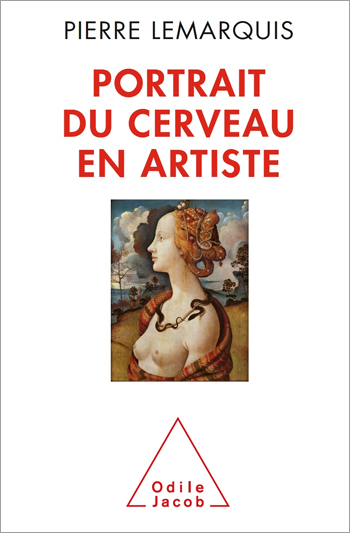
Pierre Lemarquis
Portrait of the Brain as an Artist
How do art and its appreciation affect the brain and how do they enhance our lives, both mentally and physically?
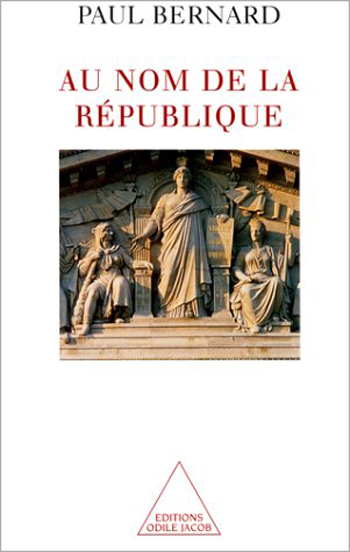
Paul Bernard
In the Name of the Republic
"Being a prefect is to do a job that comes with demands and responsibilities which are often not recognised. It is equally to accept a mission - that of representing the Republic. It is also adapting to the contradictions of the modern world." Paul Bernard Paul Bernard, a legal expert, has had a long prefectoral career which took him to various regions of France, including Aveyron, Sarthe and Corsica, before becoming the prefect of Rhône-Alpes and president of the Association du Corps Préfectoral et des Haut Fonctionnaires du Ministère de lIntérieur.
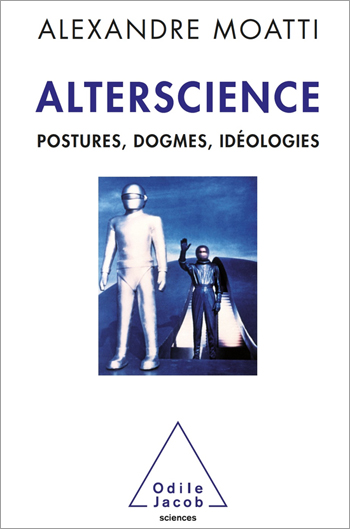
Alexandre Moatti
Alterscience
This much-needed book warns against a type of obscurantism that is spreading alarmingly on the Internet
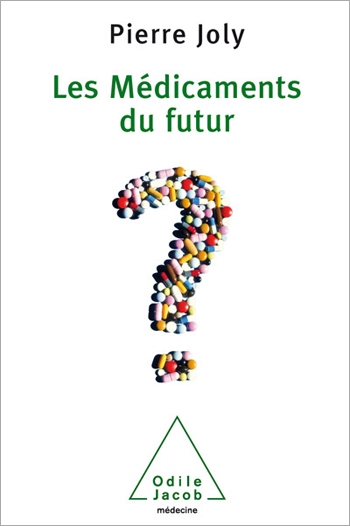
Pierre Joly
The Medication of the Future
This is a critical assessment of the pharmacological revolution of the past forty years, written by an insider and active participant...