Catalog All books
Claude Olievenstein
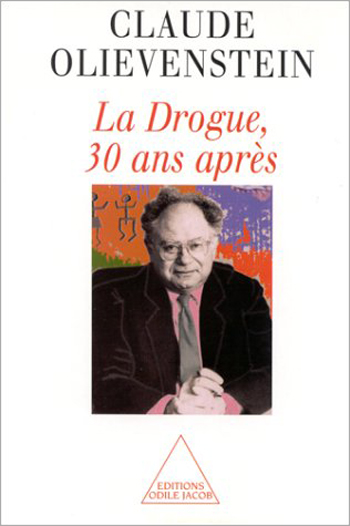
Drugs, Thirty Years Onwards
Thirty years after the publication of Il n'y a pas de Drogués Heureux, Claude Olievenstein recounts his exceptional career and summarises his current views on a number of social issues that have been his prime concern for many years: drugs, teenagers and the problems of the underprivileged living in housing projects. This is a frank survey of society in state of crisis. Claude Olievenstein is the head doctor at the Centre Médical Marmottan, in Paris, and a world-renowned specialist in the treatment of substance addiction.
Claude Olievenstein
Written in the Mouth
"The mouth is beautiful. Everything starts with the mouth, from the first scream to the first sucking, from the first love kiss to the last farewell kiss. It is possible to view it only as an obscure hole or a devouring machine. It becomes more difficult when, from the labial to the short syllabe, it shapes itself as an instrument for language or music. Then, new questions are raised, especially regarding its relation to the cerebral systems." Claude Olievenstein
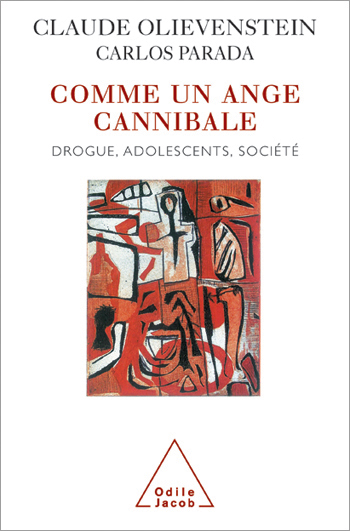
Claude Olievenstein, Carlos Parada
Like A Cannibalistic Angel Drugs, Adolescents and Society
Does it make sense to place hallucinogens and hard drugs in the same category and to regard them all as addictive? Should tobacco and alcohol be put on the same plane as heroin, cocaine and crack ? With the assistance of Carlos Parada, his collaborator at the Centre Médical de Marmottan, Claude Olievenstein offers the reader his latest thoughts and ideas on the highly distinctive world of substance abusers, which is characterised by pleasure, withdrawal, the need for warmth and haste and, above all, by instability and chaos. Claude Olievenstein is the head doctor at the Centre Médical de Marmottan, in Paris, and a senior research fellow at the University of Lyon-II. Carlos Parada, a physician specialising in drug addiction, works at the Centre Médical de Marmottan.