
Catalog All books
Marc Daëron
Life With Others A Look at Immunity
A critical look at what we think we know about the immune system

Olivier Fréget
The Competition: An Idea that Is (Still) a Novelty in Europe and in France…
European competition law, in support of pluralism

Christian Boitard
Overcoming Diabetes insulin
A clear and passionate account to better understand diabetes and the history of this illness.
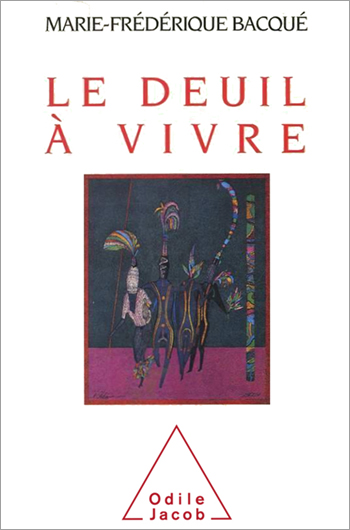
Marie-Frédérique Bacqué
Living through Bereavement
All civilizations have therapeutic methods to deal with death and the period of mourning. Not ours. By hiding away the experience of death, aren't we becoming more helpless, more disoriented than ever?
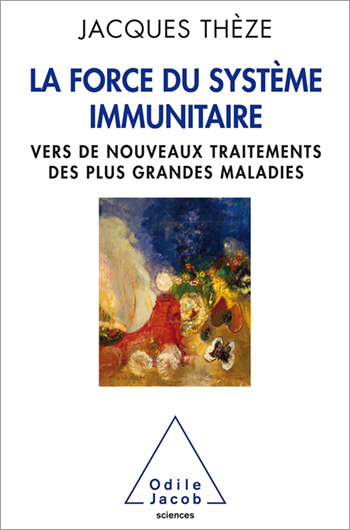
Jacques Thèze
The Immune System’s Strategies Developing New Treatments for Major Diseases
Ground-breaking approaches to the treatment of major diseases
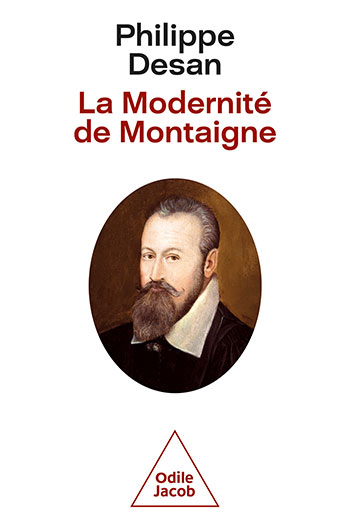
Philippe Desan
Montaigne The Self, the Other and Time
A reference book by one of the best Montaigne specialists in the world.
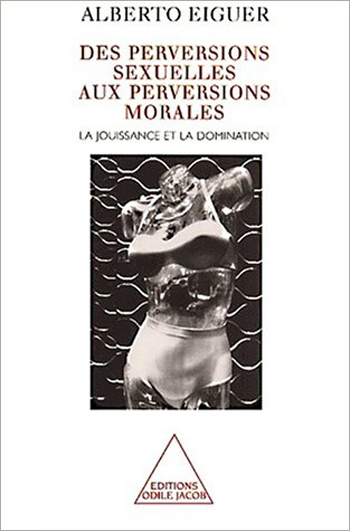
Alberto Eiguer
From Sexual Perversions to Moral Perversions Pleasure and Domination
What is perversion really about? What does a pervert seek? The world of perversions is not only a mirror world of physical pleasure, it also serves as a mechanism of power in a relationship which the pervert uses to impose his/her rule on another, by denying his/her existence. Does the pervert seek pleasure or power? Alberto Eiguer is a psychoanalyst specialising in family therapy.
Pascal Salin
Tax Tyranny
Some radical recommendations by an eminent economist for an end to the arbitrary and destructive nature of French fiscal policy
Alain Supiot
Solidarity An Enquiry Into a Legal Principle
A thorough enquiry into the meaning and future of the legal principle of solidarity
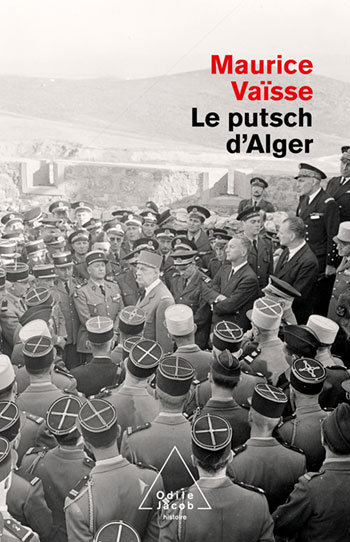
Maurice Vaïsse
The Algiers Putsch
Using archives and unpublished accounts, the spellbinding tale of a little-known turning point in contemporary history
Gilles Tétart
The Blood of Poets
The first and constant motive of my scientific life has always been the blood, and its formation, diseases and mutations. During the day, I studied corpuscles and serums. In the evening I read or reread poetry. Sometimes I came across blood once again. An intuition, an allusion of a poet came to clarify my clinical or biological reflections of the next day. These kind of exchanges have inspired this book, which constitutes a personal anthology. It is the same blood which runs in the veins of Iphigenis before the planned sacrifice, as wriggles under our gaze using the microscope, and as draws our eyes to the lips it colours The present anthology bears witness to this unity and this diversity of the blood. Jean Bernard Jean Bernard is a member of the Acadamié française