
Catalog All books
John Lukacs
Five Days in London: May 1940
The days from 24 to 28 May 1940 significantly altered the course of the history of the past century. When German troops reached the Atlantic coast, the British counterattack resulted in the disaster of Dunkirk. Europe was on its knees. Britain seemed powerless. For several critical days, at 10 Downing Street, the British cabinet debated whether to negotiate or to continue the war against Hitler. And if the war was to be continued, how would it be fought? What hope was left? Lukacs takes us into the crucial unfolding of these five days that changed history. The events described here provide a lesson in courage as much as in politics. John Lukacs is a former professor of history at Chestnut College in Philadelphia.
Yves Michaud
Changes in Violence An Essay on Universal Goodwill and Fear
For better or for worse, violence has accompanied humanity throughout its history. It is consubstantial with history, technical knowledge and even culture, and it is unlikely that it will disappear. Human beings are inhabited by darkness great darkness and they must have the courage to confront it. Then why are we so frightened and shocked by each flare-up of violence on the international stage and in our own streets? We feel that there is both more and less violence; that life on our planet has become easier and yet more ruthless; that although benevolence is the universal law, hate is equally strong, if not stronger; that feeling safe may be a right but that fear reigns. Yves Michaud, a philosopher, teaches at the University of Paris-I.
Jean Adès
Sin and Madness The Psychopathology of the Deadly Sins
A unique and fascinating approach to psychiatry and psychic suffering
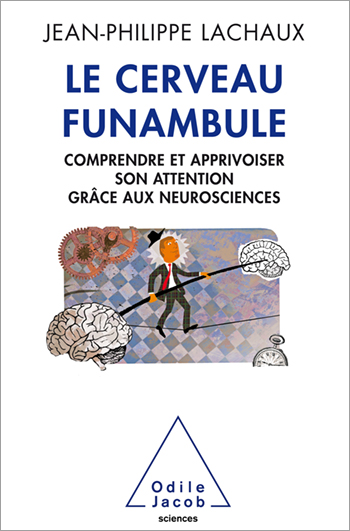
Jean-Philippe Lachaux
The Brain’s Balancing Act Understanding and Managing Attention
The keys to attention management for improved concentration in daily life
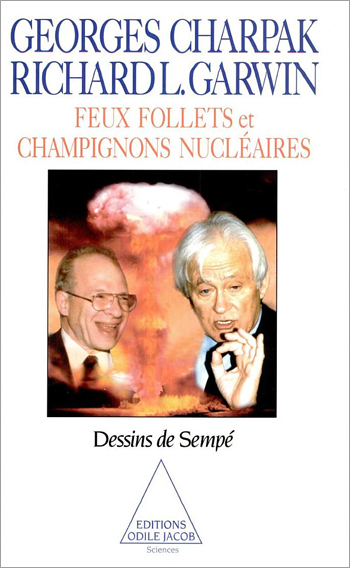
Georges Charpak, Richard L. Garwin
Power People and Nuclear Mushrooms
How can we control nuclear power ? This question has been preoccupying Georges Charpak and Richard Garwin for a long time. They here engage themselves in a thought-process concerning the stakes of nuclear power in civil society and the military. It is high time to see the issue clearly, and steering clear of sterile polemics, to denounce the true risks. This book describes in detail everything we need to know about the question : what is a chain reaction ? What exactly happened at Chernobyl ? What should be done with radioactive waste ? How are nuclear arms made and what would future war confrontations be like ? etc... Georges Charpak is a Nobel Prize winner in physics. Richard Garwin is a nuclear physicist.

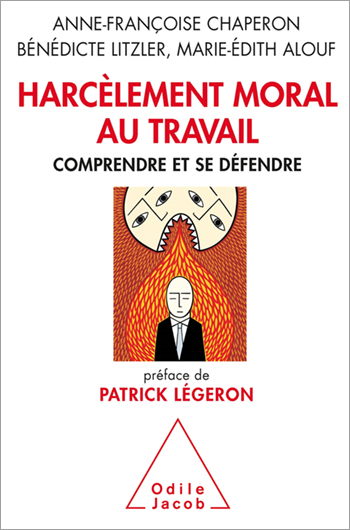
Anne-Françoise Chaperon, Bénédicte Litzler, Marie-Edith Alouf
Psychological Harassment in the Workplace
A complete, indispensable book to understand and identify psychological harassment — and learn to defend oneself
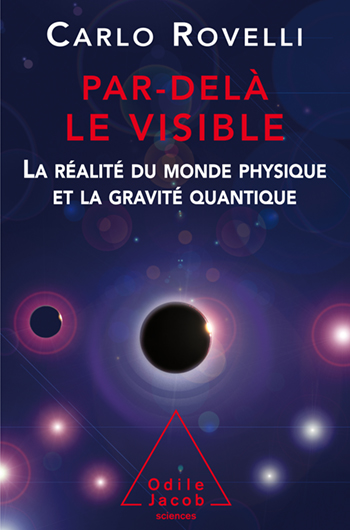
Carlo Rovelli
Beyond Appearances Quantum Gravity and the Fabric of Reality
Understanding quantum physics with one of the world’s leading theoretical physicists
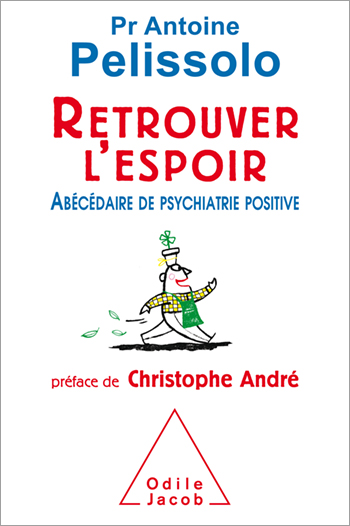
Antoine Pelissolo
Restoring Hope An ABC of Positive Psychiatry
Changing the way we look at psychological suffering and psychiatry

François Lelord, Christophe André
The Power of Emotions Love, Anger, Joy
Should we express our emotions? How can we use them? How can we improve our understanding of the emotions of others? How does the transition from emotion to passion occur? This book is not only a guide to help readers find their way in the myriad of recent findings about the emotions, it is also a practical handbook. For each one of the major emotions, the authors have listed the practical advice that they give to their patients and that they try to apply in their own lives. Christophe André and François Lelord are psychiatrists.
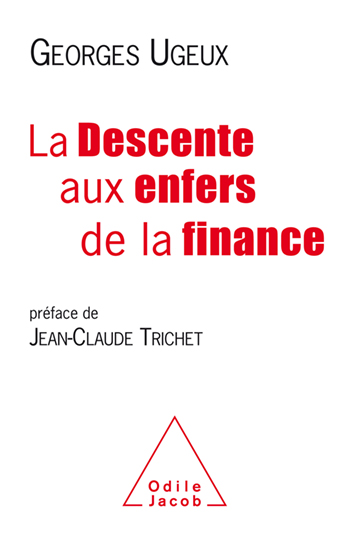
Georges Ugeux
The Missteps of Finance
Using plain language, a serious warning about the threats looming over the financial sphere. Georges Ugeux is a colorful figure in finance, and a free thinker.
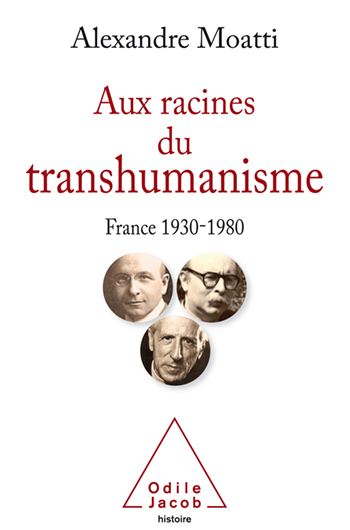
Alexandre Moatti
The Roots of Transhumanism France 1930-1980
Transhumanism and “augmented man” were already controversial subjects in the Belle Époque… An invaluable history for an understanding of what is truly at play behind this technoscientific fantasy.