
Catalog All books
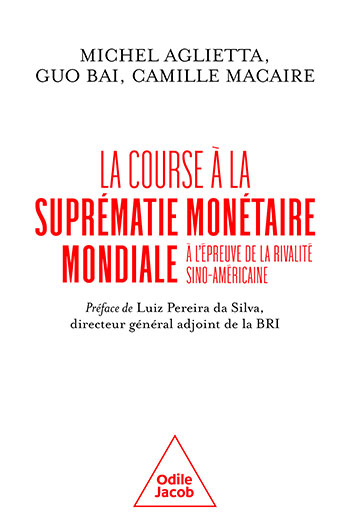
Michel Aglietta, Guo Bai, Camille Macaire
The End of the Hegemony of the Dollar
Fascinating developments on the most innovative elements of Chinese finance and its digital economy.


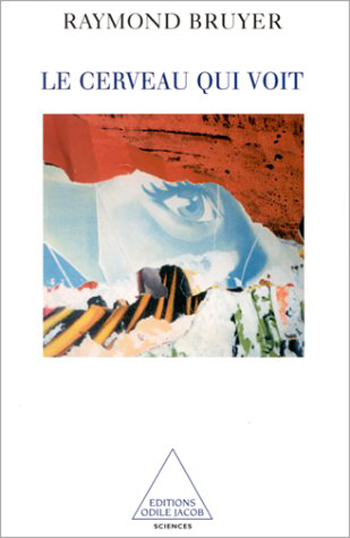
Raymond Bruyer
The Brain that "Sees"
Based on numerous examples, this book describes and explains the phenomenon of perceptive recognition: how with minimal information the human brain can identify not only general forms (a man, a woman, a cat, a dog, a house, and so forth), but also specific individuals who might seem scarcely distinguishable from one another, unless a large amount of information is provided. This study of the brain that sees is also an exploration of the perceived world. Raymond Bruyer teaches experimental psychology at the University of Louvain La Neuve, Belgium.

David Khayat, Cécile Khayat , Nathalie Hutter-Lardeau
Anti-Cancer Cooking
A healthy, tasty and convivial style of cooking that is easy to prepare and fits with the tastes and constraints of modern living. Information on familiar and some less familiar foods with recognized anti-cancer properties.
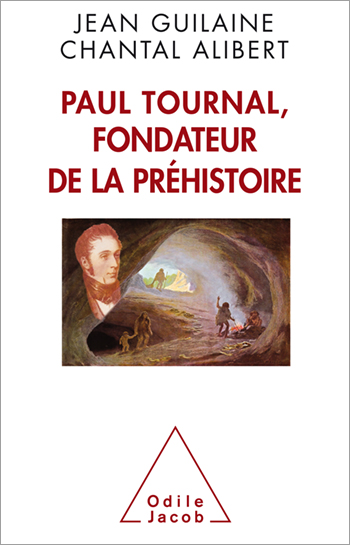
Jean Guilaine, Chantal Alibert
Paul Tournal, The Inventor Of Prehistory
A clear and accessible account of the obstacles endured by the inventor of prehistory, in particular in overcoming disbelief in the existence of fossilised human remains.

Joëlle Proust
Thinking Fast or Thinking Well
By revealing the individual and social implications of cognitive functioning, an overview of up-to-date knowledge enabling us to understanding our thinking and to control it more in practice.