
Catalog All books
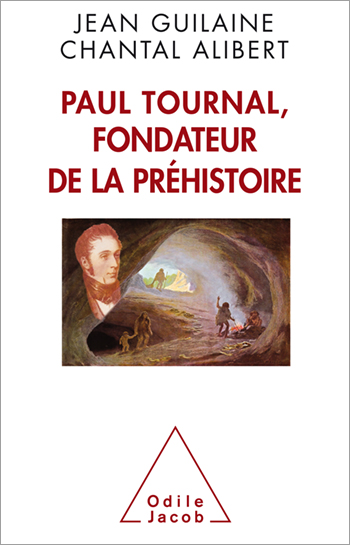
Jean Guilaine, Chantal Alibert
Paul Tournal, The Inventor Of Prehistory
A clear and accessible account of the obstacles endured by the inventor of prehistory, in particular in overcoming disbelief in the existence of fossilised human remains.

Joëlle Proust
Thinking Fast or Thinking Well
By revealing the individual and social implications of cognitive functioning, an overview of up-to-date knowledge enabling us to understanding our thinking and to control it more in practice.
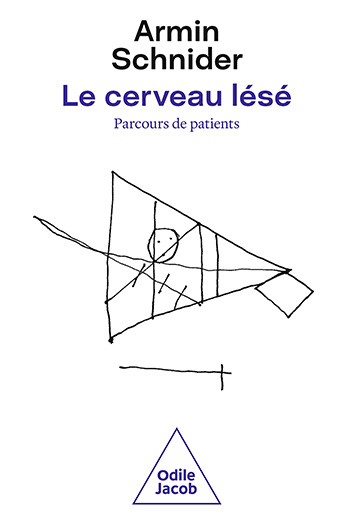
Armin Schnider
The Injured Brain How to Help Recovery
A book that shows that brain recovery is possible, regardless of age.

Antoine Garapon, Sylvie Perdriolle, Boris Bernabé
Prudence and Authority The Judge’s Role in the 21st Century
The new role of French judges, according to a report that will be submitted to the government in January 2014
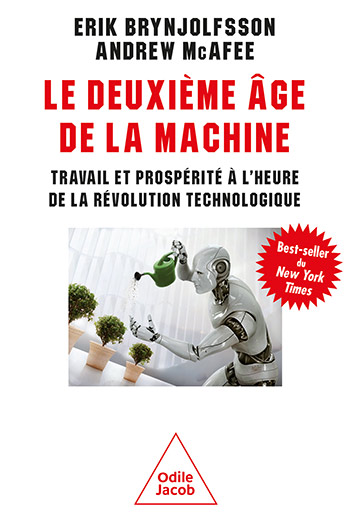
Erik Brynjolfsson, Andrew McAfee
The Second Machine Age Work, Progress, and Prosperity in a Time of Brilliant Technologies
A fundamentally optimistic book, The Second Machine Age will alter how we think about issues of technological, societal, and economic progress.
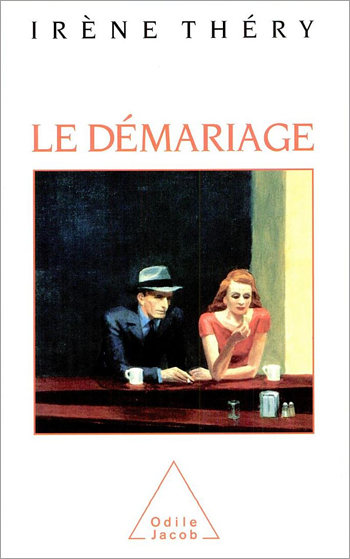
Irène Théry
From Marriage to Divorce Justice and Private Life
Can dual parental responsibility outside marriage be recognized as a principle by law? I. Théry believes that all controversies on divorce are basically debates on marriage. Our representations of the relationships between the individual and society, the private and public realms, are destabilized in this insecure period of unmarriage . The psycho-social drift of justice increases further when we consider the true sufferers of divorce court battles: the children.