
Catalog All books
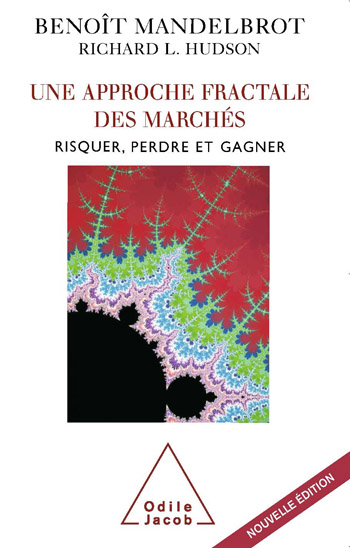
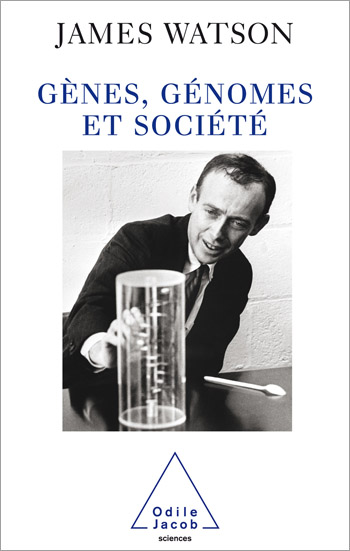
James Watson
A Passion for DNA Genes, Genomes and Society
In 1953, two young scientists, James Watson and Francis Crick, began a scientific revolution when they discovered the double helix structure of the DNA molecule, the substance that is the basis of heredity. James Watson, who won Nobel Prize in 1962 at the age of 34, has continued to play a central role in the field of genetics. Throughout his long scientific career, he has constantly sought to explain the latest developments and findings. The present volume is a collection of articles and lectures reflecting his views during the past fifty years on such subjects as GM foods, cancer, the sequencing of the human genome, and the ethical and social consequences of biology. This is a thought-provoking, often optimistic and always spirited book, reflecting the life and work of one of the great minds of the twentieth century.
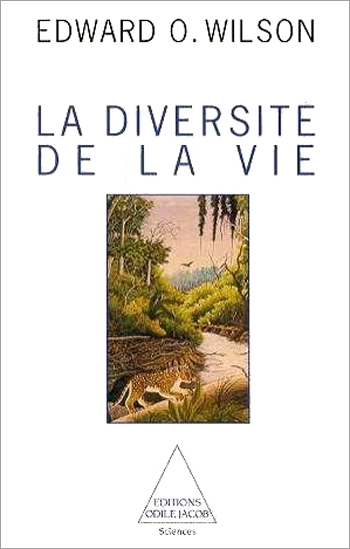
Edward O. Wilson
The Diversity of Life
What are the mechanics of evolution? What is the force behind diversity and the proliferation of the species? Why does nature never stop inventing new forms of life? What is the effect of great catastrophes on the evolution of the species? What is the real effect of human action on nature? A professor at Harvard University, Edward O. Wilson is one of the most important theoricians of biological evolution. He is also one of the most ardent lobbyists for the preservation of nature.
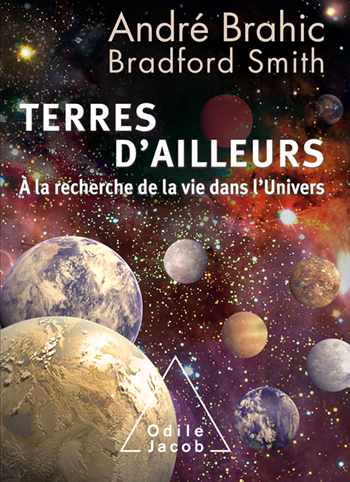
André Brahic, Bradford Smith
Exoplanets Looking for life in the Universe
A brilliant, enthusiastic and accessible work by two of the greatest living astronomers