Catalog All books
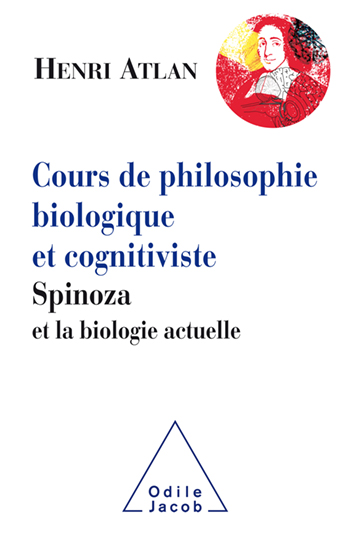
Henri Atlan
Lectures in Biological and Cognitivist Philosophy Spinozist Configurations
An introduction to both one of the greatest philosophies in history, and to the most current issues in the neurosciences. A new way of thinking about the relationships between the brain and the mind.

Jean-Baptiste Jeangène Vilmer, Céline Jurgensen
Nuclear Imaginaries
A cross-sectional approach: from the curious to the specialist, all audiences will find food for thought here. From fiction (cartoons, cinema…) to the military perspective, and including literary references, a great variety of subjects are broached.
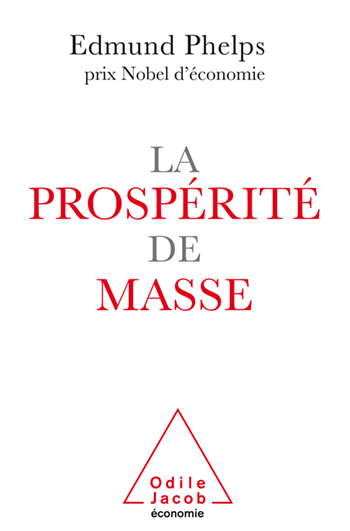
Edmund Phelps
Mass Prosperity
A profound reflection, at the meeting-point of economics and psychology, on the forces of innovation and economic well-being and the motivations of both. A view of innovation that confronts many accepted ideas — the Schumpeterian view of the entrepreneur, the development of science as a source of innovation, and so on — and which needs to be debated.

Aldo Naouri
Three Questions On The Family
Aldo Naouri’s complete reference work! The fruit of all his experience related to the fragile and essential parent-child relationship

Daniel C. Dennett
Consciousness Explained
What is it that transforms a small piece of matter into an animated being? What is it that gives to certain physical structures the enigmatic privilege of feeling sensations and having experiences? Conscience. But what do we know about conscience? Daniel C. Dennet proposes a new explicative model founded on the modern revelations of psychology, neurology, and artificial intelligence. Daniel C. Dennett directs the Center for Cognitive Studies at Tufts University. He is one of the leaders in the philosophy of the spirit in the United States.
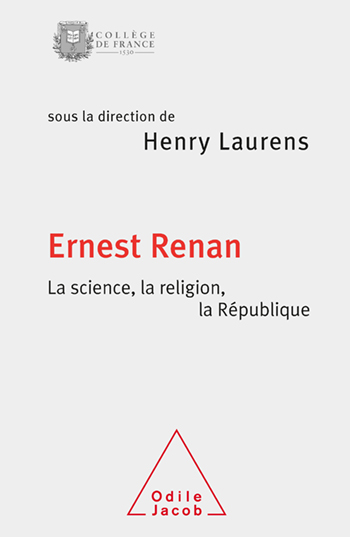
Henry Laurens
Ernest Renan, Science, Religion and the French Republic
A tribute to the great nineteenth-century French scholar Ernest Renan, with contributions by experts from diverse fields