
Catalog All books


Chris Frith
How the Brain Creates Our Mental World
“…a fascinating guided tour through the elusive interface between mind and brain written by a pioneer in the field. The author’s obvious passion for the subject shines through every page.” V. S. Ramachandran

Jacques Lesourne, Denis Randet
Research and Innovation in France FutuRIS 2010
A standard work for an understanding of innovation in France and of the means at its disposal...

Peter Piot
AIDS in the World
A personal account, synthesis and an impassioned plea in which science and politics converge to fight AIDS
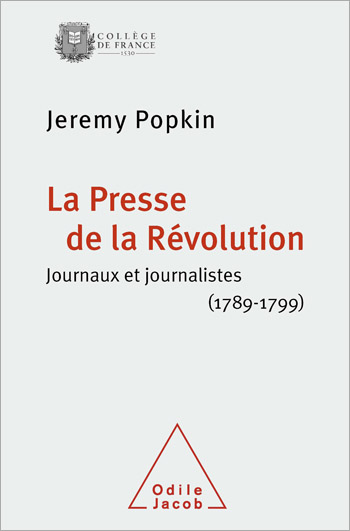
Jeremy Popkin
Revolutionary News The Press In France, 1789-1799
The French Revolution invented a written press of a radically new type, one that was able to transmit to the French...
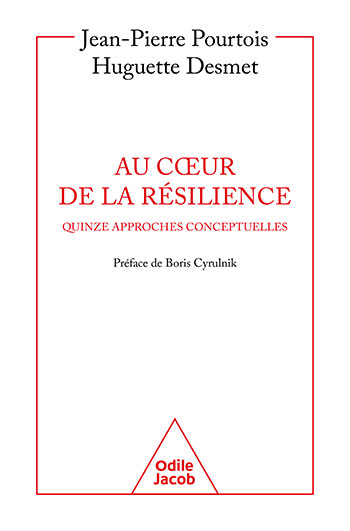
Jean-Pierre Pourtois, Huguette Desmet
At the Heart of Resilience
A reference text for mental health and education professionals, and theoretical and practical resources to help people as they recover.

Maurice Vaïsse
French Diplomacy Tools and Participants Since 1980
A complete and documented view of the Ministry of Foreign Affairs and of French diplomatic policy. A diplomatic history of the Fifth Republic, from the 1970s to the present.

Patrick Boucheron, Alain Prochiantz
Migrants, Refugees, and Exile Colloquium at the Collège de France
The timeliness of the issue of migratory movement and the displacement of populations. The multi-disciplinary nature of the studies, which bring together history and geography, geopolitics, psychology, as well as law and economics.