
Catalog All books

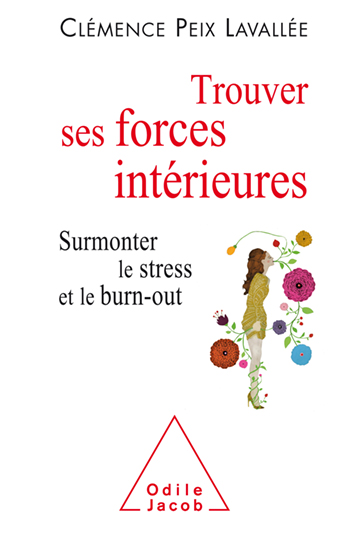
Clémence Peix-Lavallée
Finding Your Inner Strength Overcoming Stress and Burnout
A work with a practical aim: tools for self-evaluation, explanations, and exercises to do at home, at work, and emergency practices when you’re at the end of your rope.
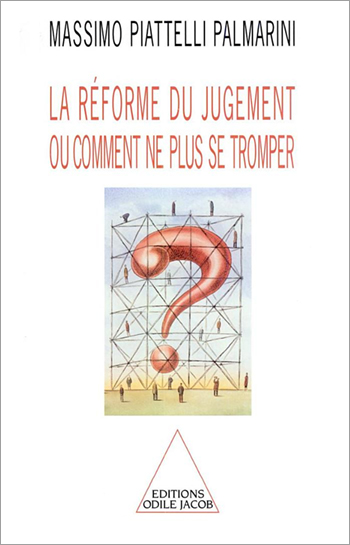
Massimo Piattelli Palmarini
Retraining Judgement How to avoid fooling yourself
How can we reason more effectively ? Everyday, we solve countless problems and take decisions by trusting our intuition, our common sense. Often, it is not only our passions, our emotions that lead us astray, it is the mind itself which tricks us, without us even being aware of it. How can we avoid these traps ? By driving out into the open, with the help of Massimo Piattelli Palmarini, the natural illusions and unconscious mechanisms which occupy our minds, and by working to help our judgement in the same way as psychoanalysis works to improve our emotional lives.
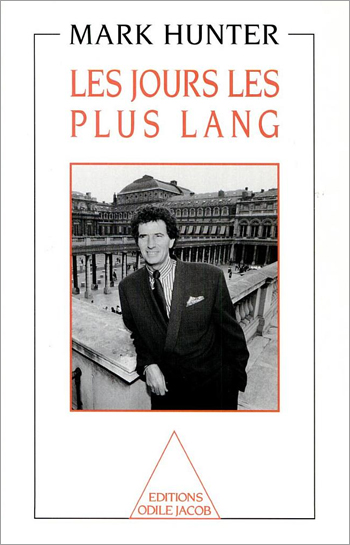

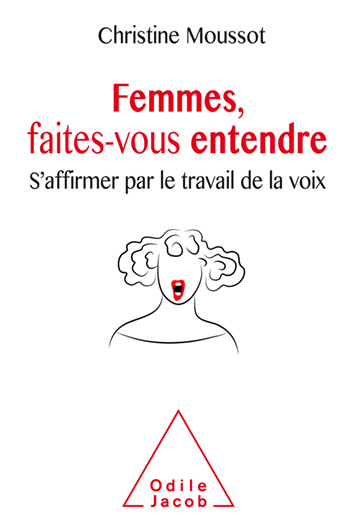
Christine Moussot
Women, Make Yourselves Heard!
The first 100% vocal coaching book for women that addresses the vocal difficulties they most often encounter: light or self-effacing voices, voices that are too high or that speak too fast.
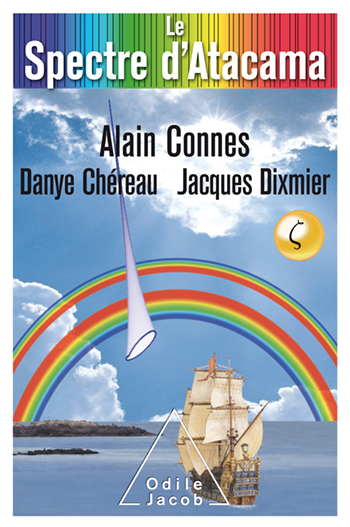
Alain Connes, Danye Chéreau, Jacques Dixmier
The Specter of Atacama A Trio for the End of Time
From a mysterious source there appeared a first message that had just been received by the Alma Observatory in Chili, and was saved from oblivion by the main character in the book by a mathematician obsessed with a conjecture.
Frédéric Worms
Letters on Life and Death
Frédéric Worms is an important figure in contemporary philosophy, and has important institutional and media connections. Thanks to its epistolary form, reminiscent of Enlightenment writers, this book is written in clear language, and is addressed to all of us.