
Catalog All books
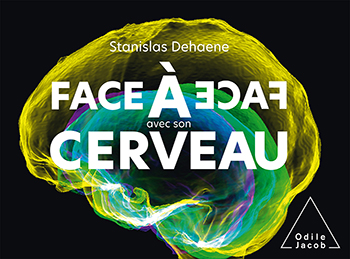
Stanislas Dehaene
Conquering the Brain
This book brings together exceptionally beautiful images (close to 100 [voir ci-dessus]), all full color, and the most current knowledge of the brain from research throughout the world.
Frédéric Charillon
A World of Influences Soft Power
An ambitious and convincing work that aims to present the new face of international relations.


Philippe Kourilsky
A Game of Chance and Complexity
A fascinating history of the struggle for survival, which is central to our lives

Corinne Gal
Psychodrama: As Powerful an Experience as Life Itself
Psychodrama: an effective therapeutic method that is frequently used by psychiatrists and psychotherapists

Jean-Pierre Kahane
The Teaching of Mathematical Sciences
What should be the goals and the contents of the mathematics syllabus from primary school to university? What changes should be undertaken to accompany and prepare for future developments in science and technology? And how should the initial training, competitive recruitment and further education of maths teachers evolve and develop? This book is the fruit of several months work by a committee, presided by the mathematician Jean-Pierre Kahane, on the future of the teaching of mathematics.

Xavier Seron
The Lie
Based on the latest advances in research, notably in Anglophone countries. An approach that leans heavily on the neurosciences and looks at the cerebral foundation of lying.

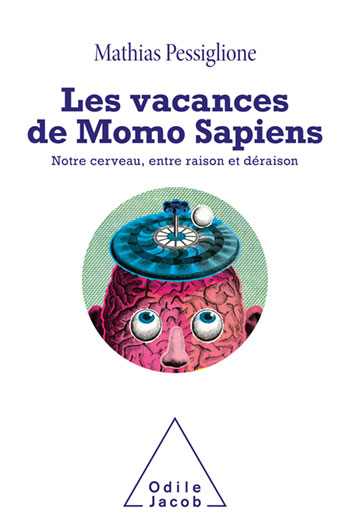
Mathias Pessiglione
The Brain Has Its Reasons Which Reason Doesn’t Know
Momo Sapiens, or the brain caught in flagrante delicto of irrationality

Antonio R. Damasio
Feeling & Knowing Making Minds Conscious
This book brings together the most recent discoveries in the cognitive sciences, neurobiology, psychology, and other fields, while adding the philosophical dimension dear to Antonio Damasio.
James Teboul, Philippe Damier
The Mirage of Leadership Challenged by Neuroscience
To assume their role effectively, managers must know how to take into account the predispositions and biases that make them act, and thus understand them, and work resolutely against the grain of their natural inclinations.


Jean-Charles Jauffret
The Algerian War French Combatants and Collective Memory, an Enquiry
Who were the French soldiers who fought in the Algerian War of Independence (1954-62)?
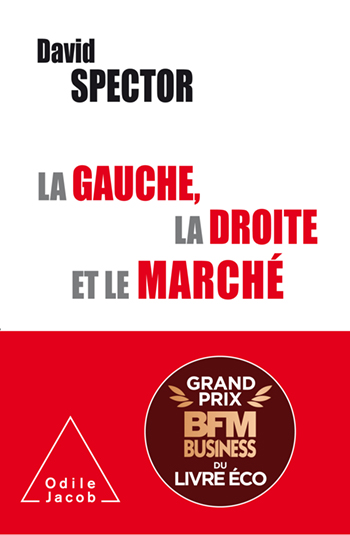
David Spector
History of the Market Concept in France
An original point of view which runs counter to received ideas: the concept of the market is in a blind spot of leftist thinking, or even that of the French intellectual tradition. This book should be part of the debate as it provides historical insight on a crucial point of current disunity within the left and on its future.
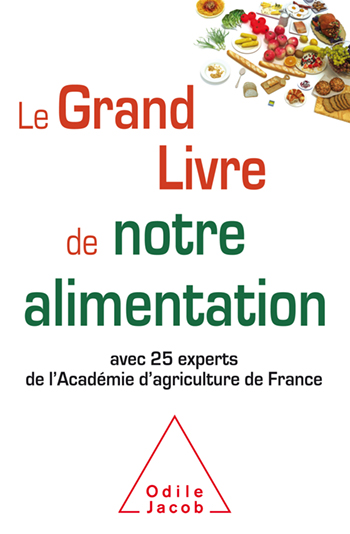
Académie d'agriculture de France
The Big Book of Trust in Food Everything you want to know about our food
All the questions asked about food, in 100 little chapters written by thirty experts. As the book is still being defined, we do not yet know who will undertake its promotion, nor how…

Serge Stoléru
The Portable Psychoanalyst A New Approach for Self-Knowledge
A both philosophical and psychoanalytical justification of a desire for self-knowledge. A concrete and lively text due to the presentation of real cases.