Catalog All books
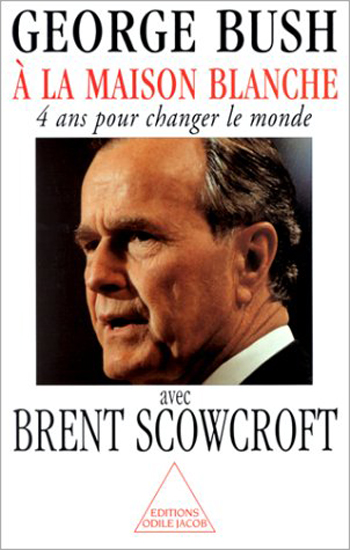
George Bush, Brent Scowcroft
A World Transformed
It was one of the pivotal times of the twentieth century - during George Bushs presidency an extraordinary series of international events took place that materially changed the face of the world. Now, former President Bush and his national secretary advisor, Brent Scowcroft, tell the story of those tumultuous years. Here are behind-the-scenes accounts of critical meetings in the White House and of summit conferences in Europe and the United States, interspersed with excerpts from Mr. Bushs diary. We are given fresh intriguing views of world leaders such as Mikhail Gorbachev, Boris Yeltsin, Margaret Thatcher, Helmut Kohl, and François Mitterrand--and witness the importance of personal relationships in diplomacy. There is the dramatic description of how President Bush put together the alliance against Saddam Hussein in the Gulf War. There are the intensive diplomatic exchanges with Beijing following the events of Tiananmen Square, and the intricate negotiations leading up to the German reunification. And there is the sometimes poignant sometimes grim portrayal of Gorbachevs final years in power. A World Transformed is not simply a record of accomplishment; Bush and Scowcroft candidly recount how the major players sometimes disagreed over issues, and analyze what mistakes were made. This is a landmark book on the conduct of American foreign policy-- and how that policy is crucial to the peace of the world. It is a fascinating inside look at great events that deepens our understanding of todays global issues. George Bush was President of the United States from 1989 to 1993. Brent Scowcroft was National Security Advisor under Presidents Ford and Bush.
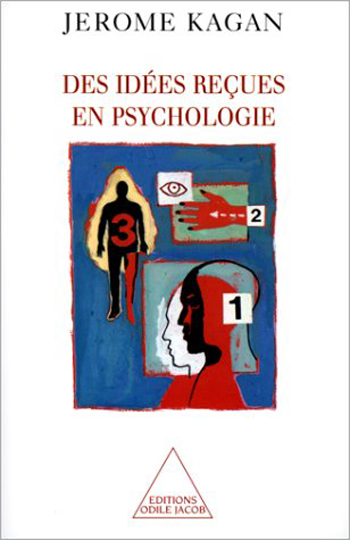
Jerome Kagan
Three Seductive Ideas
Do the first two years of a childs life really determine his or her future development? Are human beings, like other primates, solely motivated by the pursuit of pleasure? What can be concluded today about the notion of temperament? Is it stable and unchanging throughout life? This book is the culmination of a lifetime of research. Jerome Kagan, one of the founders of modern development psychology, is known the world over for the precision and originality of his work, as well as for his overall examination of the methods and meaning of psychology. Jerome Kagan teaches at Harvard University. He is the author of several works on psychology that are regarded as classics.
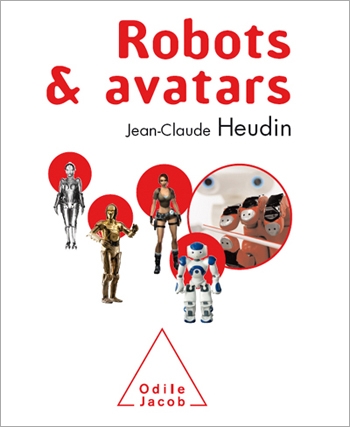
Jean-Claude Heudin
Robots and Avatars
Robots & Avatars is a highly accessible introduction to the latest technological advances that herald tomorrow’s world.
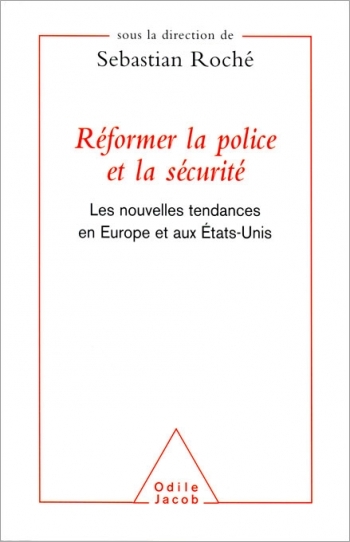
Sebastian Roché
Réformer la police et la sécurité
Demands for increased public safety are prevalent in both Europe and the United States, and they take similar forms. Do policies based on such notions as zero tolerance, local policing, partnership and mediation serve any real purpose or do they simply act as decoys? In New York City, as elsewhere, improved public safety resulted from the decentralisation of resources and power and, therefore, of responsibilities. In the articles included here, the writers, who are all experts in public safety in their respective countries, examine the issues in a dispassionate manner and offer a comparative study of the results obtained in different countries. Finally, they make some concrete suggestions to resolve the problem of petty crime and incivilities. Sébastian Roché is a professor at the Institut d'Etudes Politiques, in Grenoble. He is the author of Tolérance zéro? Incivilitié et insecurité, published by Editions Odile Jacob.
Bernard Frank
Gods and Buddhas in Japan (Work of the Collège de France)
Japanese Buddhism descends directly from the Chinese Buddhist tradition which flourished from the sixth to the eighth centuries.
Jean-Claude Hagège, Patrice Morel
Guide to Beauty
In this manual on beauty, two doctors - a plastic surgeon and a dermatologist - present all the existing means of enhancing every facet of one's appearance (face, eyes, makeup, hair, legs, breasts, buttocks, weight). The authors review the entire gamut of existing techniques, from the simplest to the most complex. The book is divided into sections: What you can do yourself, What your dermatologist can do and What your surgeon can do. This serious, rigorous study provides scientific arguments to help readers make their way through a plethora of choices in the areas of cosmetics, aesthetic dermatology and plastic surgery. The information given here is straightforward and unbiased by commercial considerations. Le Guide de la Beauté is an attractive, abundantly illustrated book offering a broad panorama of ways of enhancing one's appearance. Jean-Claude Hagège is a plastic and cosmetic surgeon and a member of the International Society of Plastic Reconstructive Surgery. Patrice Morel is head of Dermatology at Hôpital Saint-Louis, in Paris.

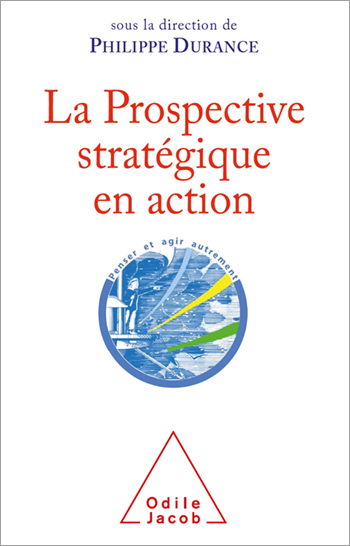
Philippe Durance
Strategic Foresight in Action
A book that argues in favour of social change, the rational development of governance and sustainable development
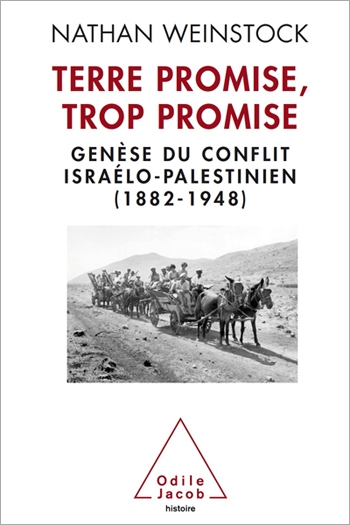
Nathan Weinstock
The Promised Land that Promised Too Much
This vast investigation, based on new sources, will transform the prevailing vision of the Arab-Israeli conflict and of its origins.
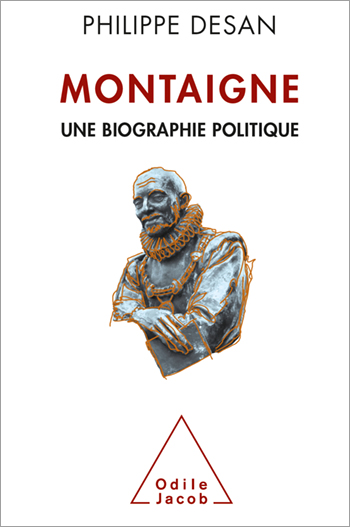
Philippe Desan
Montaigne A Political Biography
A brilliant, erudite biography that demolishes many received ideas about the great French philosopher
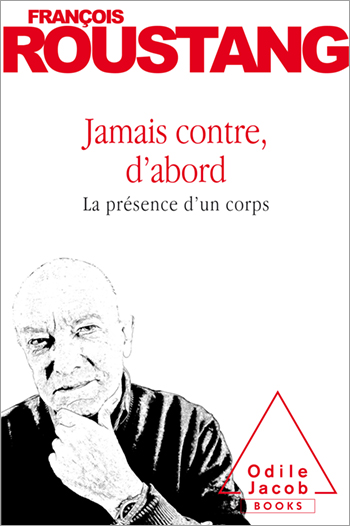
François Roustang
Never Against On Being an Attentive Body
Three seminal works by François Roustang, gathered here in a 700-page volume
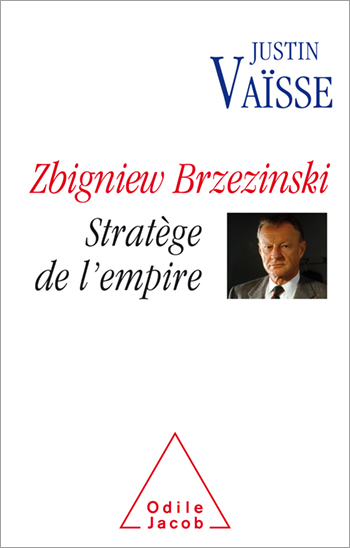
Justin Vaïsse
Zbigniew Brzezinski Strategist of the Empire
The itinerary of this exceptional statesman offers a unique behind-the-scenes view of U.S. foreign policy in the making