Catalog All books
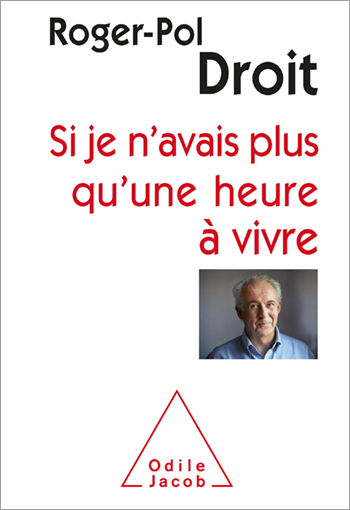
Roger-Pol Droit
If I Had Only One More Hour to Live
In this final, radical work, Roger-Pol Droit offers the reader a brilliant philosophy lesson

Libby Purves
How Not to Be a Perfect Mother
Are you a perfect mother or a real mother? Perfect mothers are forever smiling, their homes are immaculate, and they never raise their voices.
Observatoire national de la lecture
Learning to Read
Learning to read is a continuous process which runs throughout primary and secondary school, and indeed through the whole of life. However, the crucial time is the first two years of primary school - it is at this time that the child learns the code of the written language and begins to undertake the reading of texts. This report summarises recent research by the best specialists working in the field and provides essential information on the thorny issue of children suffering from reading difficulties. The French National Reading Research Institute is a consultative body of the National Education Ministry and brings together teachers, researchers, school inspectors and representatives of the parents of pupils.
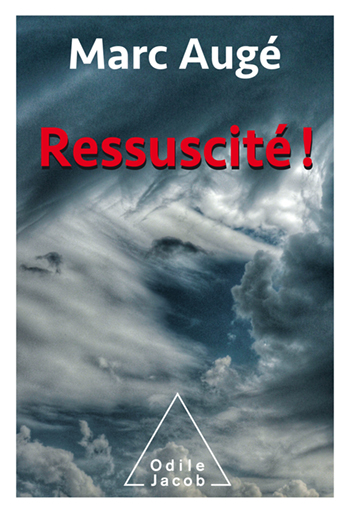
Marc Augé
Resuscitated
A realistic and almost contemporary story that questions the progress of medicine and our quest for immortality.
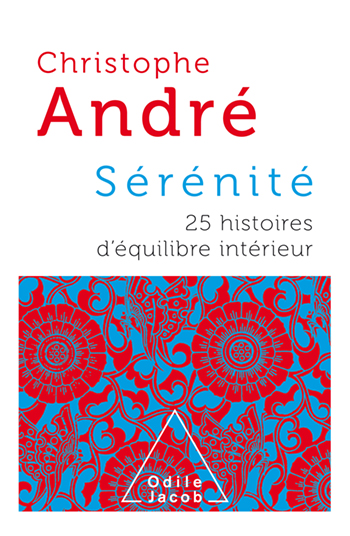
Christophe André
Serenity (Collector)
In this concise book, Christophe André guides us, surely and effectively, toward serenity and well-being
Richard Dawkins
The Selfish Gene
The Selfish Gene has been described as the most important book about evolutionary theory since Darwin. According to Dawkins theory of the selfish gene, natural selection does not take place on the level of the species or of the individual but rather among genes. Dawkins argues that human beings are programmed to preserve their selfish molecules, which are known as genes. Dawkins brilliant style shows that complex scientific ideas can be explained and made accessible to the general public, and that biology can be as exciting as an adventure story. Richard Dawkins is a renowned evolutionary biologist.
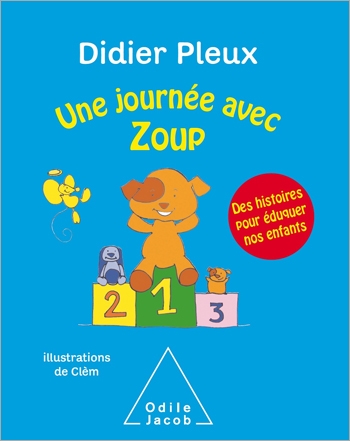
Didier Pleux
A Day With ZOUP
Based on the insights of an eminent psychologist, this book of children’s bedtime stories will be a boon for parents.
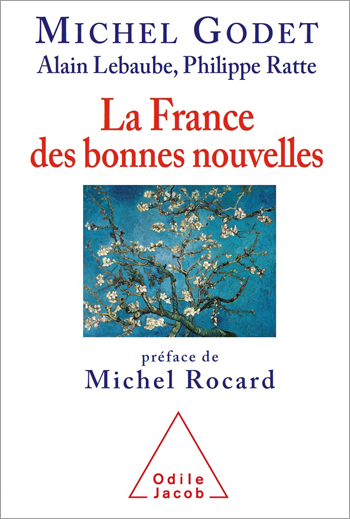
Michel Godet, Alain Lebaube, Philippe Ratte
Good News in France
“Once upon a time, there was a marvellous country called France, famed for its geographic and geologic variety as well as for its rich heritage and the diversity of its cultural traditions...

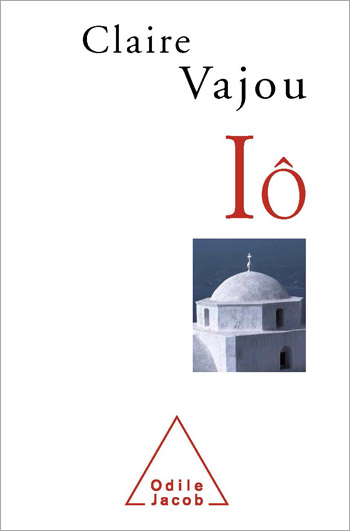
Claire Vajou
Iô
A testimonial that is as unbelievable as it is distressing, underpinned by superb writing
The Shift Project
Crisis, Climate How to Transform the French Economy
The Shift Project, a think tank created by Jean-Marc Jancovici in 2010, aims to clarify and influence the debate on energy transition.
Alain Bentolila
For a School of Resistance
An original and documented program of education policy that offers a response to the success of disinformation and extremisms confronting the young.