Catalog All books
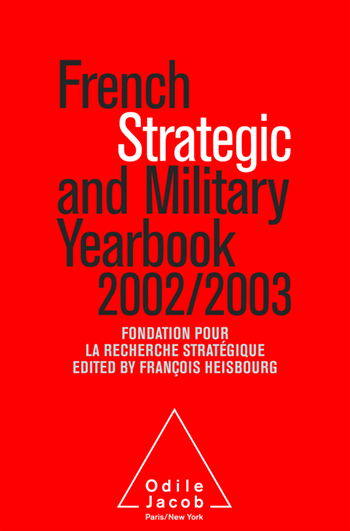
Fondation pour la Recherche Stratégique, François Heisbourg
French Strategic and Military Yearbook 2002-2003
The advent of hyperterrorism on "9/11" and subsequent military operations have marked the return of strategic affairs as a core concern of the citizens of our countries. This French Strategic and Military Yearbook analyses from a European vantage point the major themes of our time: American military operations, Russsia's new geopolitics, the struggle against mass destruction terrorism. The Yearbook is complemented by on-line data provided by the Paris-based Fondation pour la Recherche Stratégique (FRS).
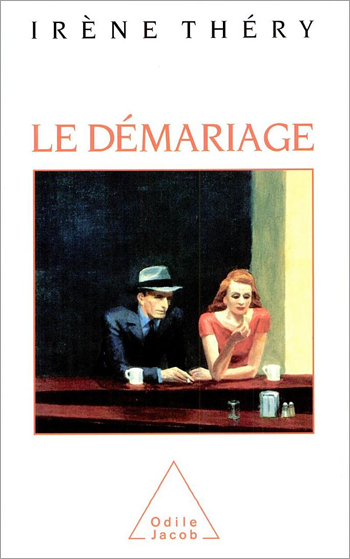
Irène Théry
From Marriage to Divorce Justice and Private Life
Can dual parental responsibility outside marriage be recognized as a principle by law? I. Théry believes that all controversies on divorce are basically debates on marriage. Our representations of the relationships between the individual and society, the private and public realms, are destabilized in this insecure period of unmarriage . The psycho-social drift of justice increases further when we consider the true sufferers of divorce court battles: the children.
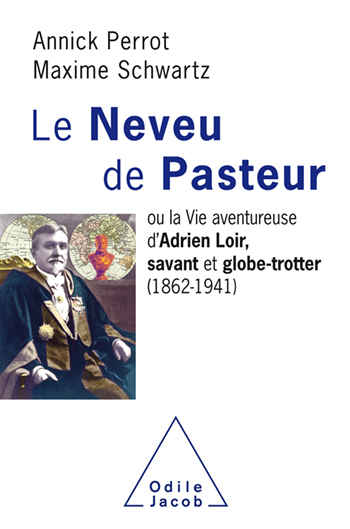
Annick Perrot, Maxime Schwartz
Pasteur’s Nephew Or the Adventurous Life of Adrien Loir, Scholar and Globe-Trotter (1862-1941)
The book reads like a novel, part biography, part story of the development and history of Pasteurian science as seen through the life of Adrien Loir.
François Dagognet
Reflections on the Body
A philosophy for our times, devised through an understanding of modernity in all its forms: artistic, scientific and medical. This work is a rigorous and exacting treatment of the ethical and political choices facing mankind at a moment when the power over matter and living are coming to be declared unlimited. In short, the engaged and stimulating observations of François Dagognet, a professor of philosophy at the Université de Paris I, medical doctor, and heir worthy of Bachelard.
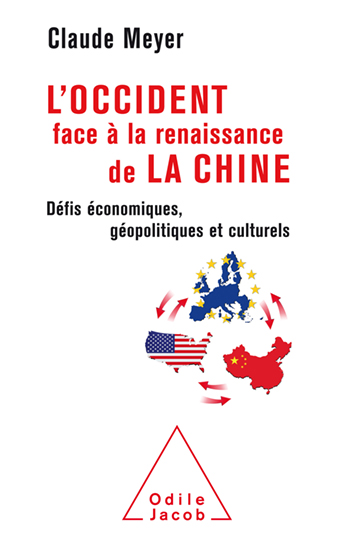
Claude Meyer
West and the rebirth of China
It is the first time in history that a country/continent, with such a large population, is in a position to impose its supremacy on the rest of the planet. The stakes are enormous!
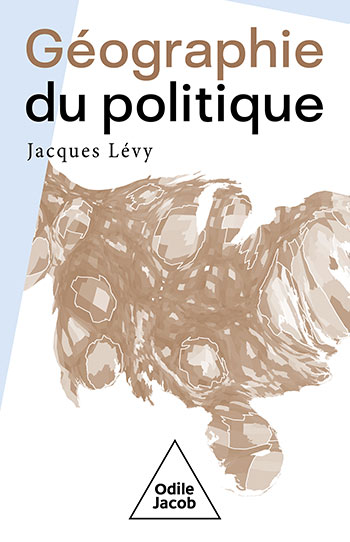
Jacques Lévy
The Ethical Turning Point and the World Society
A fascinating and ambitious book, which gives back meaning to disparate and disturbing realities: the rise in protectionisms and nationalisms, the exacerbation of radicalisms by social networks, ecological and health challenges, etc…
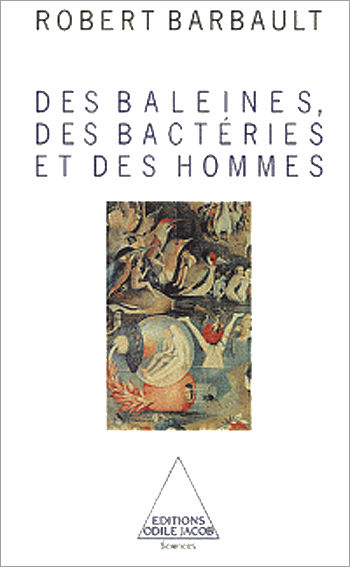
Robert Barbault
Whales, Bacteria and Man
The most prodigious mystery of life might well be in the means it has used to create so much diversity with so little matter. However, taking the risk of destroying the most precious ecosystems, Man inflicts to Nature deforestation, pollution, sea walls and many other acts of violence. This book explores this profusion of life of which human beings are one of the components as well as one of its pivots.
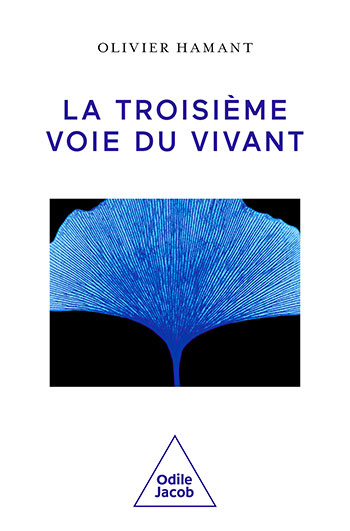
Olivier Hamant
The Third Path of the Living
To confront the ongoing climate of environmental and civilizational catastrophe, the life sciences offer us an alternative to the cult of performance that has been elevated to a dogma. A counter-model inspired by biology...
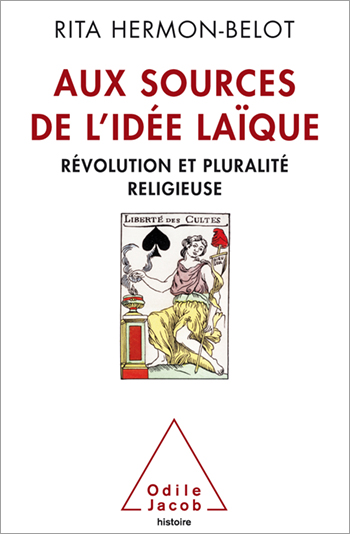
Rita Hermon-Belot
The Sources of the Secular Idea Religious Pluralism and French Secularism
Laïcité: a long history of confrontation
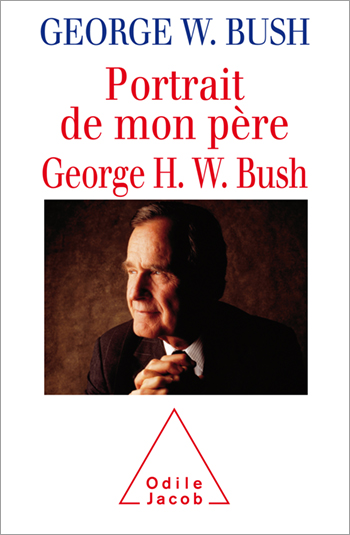
George W. Bush
A Portrait of My Father George H. W. Bush
George W. Bush, the 43rd President of the United States, has authored a personal biography of his father, George H. W. Bush, the 41st President.
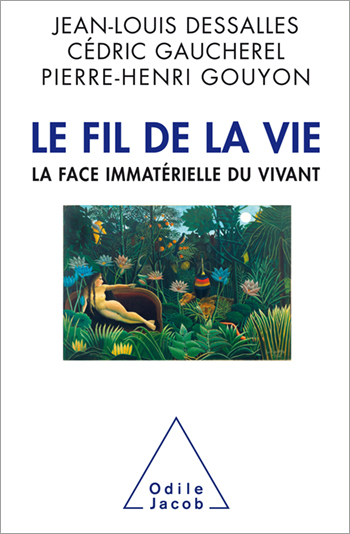
Jean-Louis Dessalles, Cédric Gaucherel, Pierre-Henri Gouyon
The Thread of Life The Immaterial Side of Existence
A true revolution in the understanding of life, the thesis put forward here is based on the scientific concept of information, the operation of detection and reading carried out by every living being.
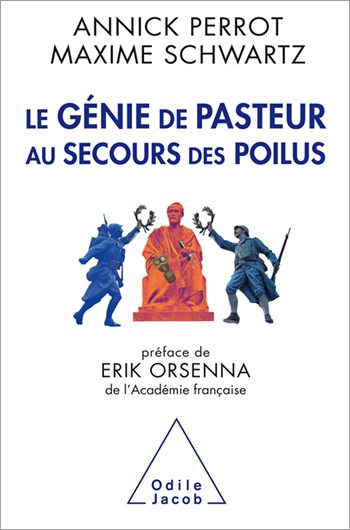
Annick Perrot, Maxime Schwartz
The Genius of Pasteur: Saving the ‘Poilus’
How Pasteur and his followers saved lives and changed the course of the war in 1914-1918
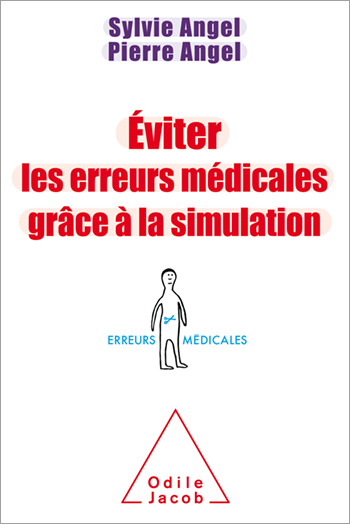
Sylvie Angel, Pierre Angel
To avert medical errors with Medical Simulation
Models, role play, serious games, quizzes: a comprehensive description of materials and technical resources available today that can help caregivers and trainees in their practice. An outreach work aimed at ensuring that we are all aware of the importance of critical pedagogical practice in improving the quality of care that we tend to take for granted.