Catalog All books
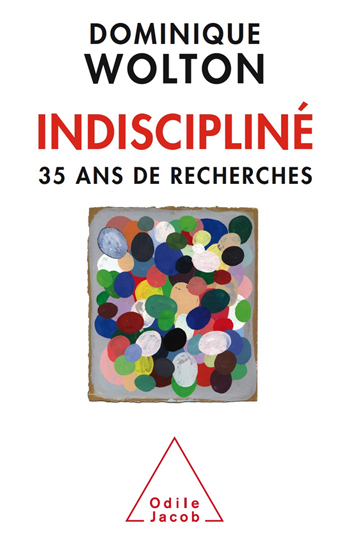
Dominique Wolton
Forms of Indiscipline
A brilliant, authoritative synthesis of Dominique Wolton’s thought and work
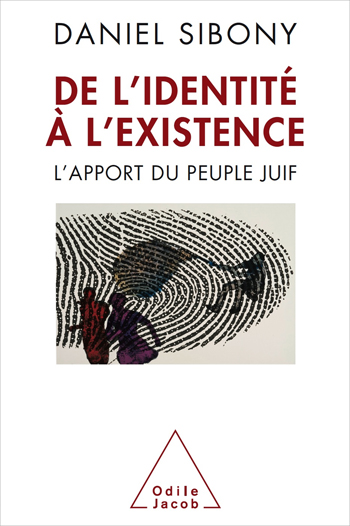
Daniel Sibony
From Identity to Existence The Jewish People’s Contribution
How the uniqueness of the Jewish people can help us all —Jews and non-Jews
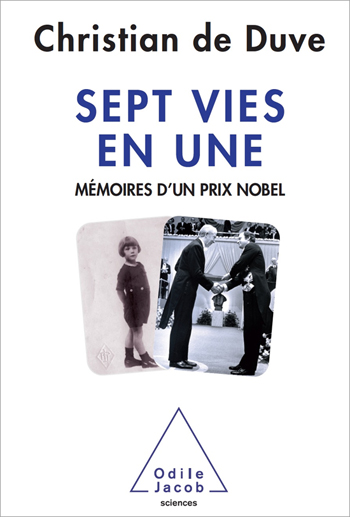
Christian de Duve
Seven Lives in One Nobel Prize winner's Memoirs
The life of an exceptional Nobel Prize winner, from childhood to scientific recognition and acclaim
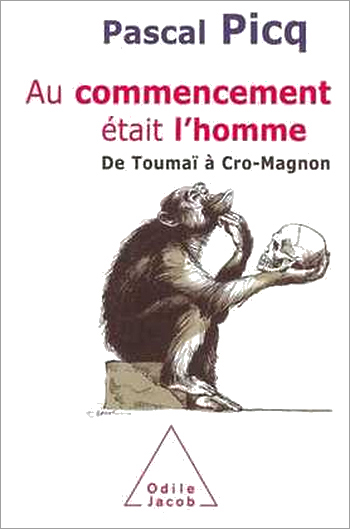
Pascal Picq
And at the Beginning there was Man...
In forty years, the genealogical tree of human evolution has grown so extensively that it now spans six million years. But fossils, the tree of evolution and the story they tell openly challenge all prevailing ideas about evolution; and though they have been shaken, these ideas have barely begun to change. In this book, Pascal Picq examines concrete, existing proof of our origins and then goes on to offer a new view of the human position in the evolutionary process. Pascal Picq is a senior lecturer in paleo-anthropology and prehistory at the Collège de France.
Jean Picq
Religious Freedom in the French Republic Restoring the Spirit of French Secularism
‘Laïcité’ has been at the heart of numerous debates in France. The author argues here for a multifaceted, open secularism.
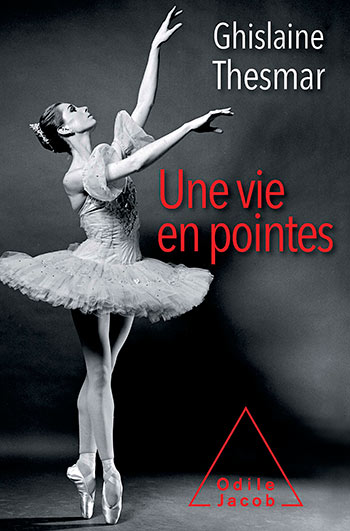
Ghislaine Thesmar
A Life on Pointe Dance as destiny
The story of an exceptional principal dancer which in a very beautiful style offers an impassioned look at her life. With Ghislaine Thesmar, the reader enters fully into that long line of transmission of the art of dance, one that is constantly renewed and enriched.
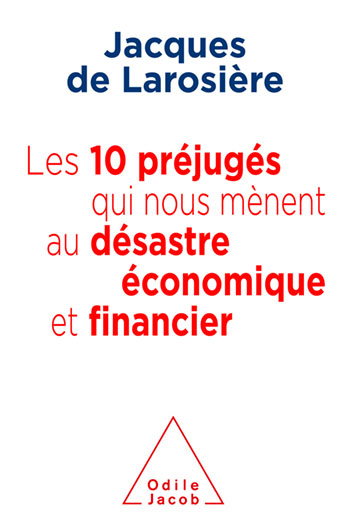
Jacques deLarosière
Ten Preconceived Notions That Are Leading Us to Economic and Financial Disaster
Jacques de Larosière is a prominent actor of the world financial scene. He is currently an advisor to the President of BNP Paribas.
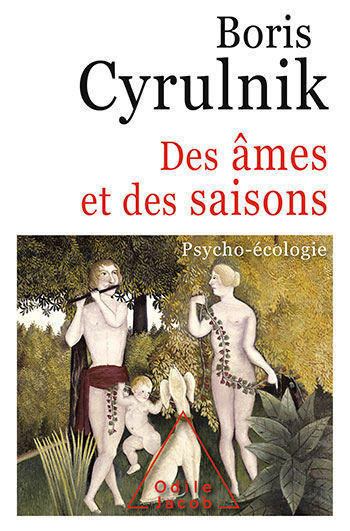
Boris Cyrulnik
In the Time of Souls and Seasons Psychology and Ecology
From the body to language, including the climate, culture, and, of course, the family, an astute description of the way in which our different environments (“ecology” in the broadest sense of the term) determine, from childhood, the person we are to become.
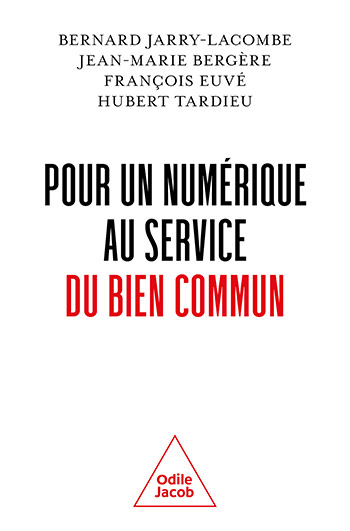
Bernard Jarry-Lacombe, Jean-Marie Bergère, François Euvé, Hubert Tardieu
The Digital Serving the Common Good
Beyond the technology alone, this book aims to question the ethical, societal and ultimately anthropological ramifications of the new tools of modernity...
Pierre-Jean Rémy
The Other Sentimental Education
A life recounted through various forms: masterworks and music pieces, pictures and images, the pens of writers, the voices of friends, the steady rhythm of the seasons, an everlasting love. A heart-warming novel by P.-J. Rémy, diplomat and member of the French Academy.
Dan Sperber
The Infectiousness of Ideas
Where do our ideas come from ? Some, just from ourselves, or at least we believe so, but the majority come from others which we then pass on in our turn. The age-old philosophical question on the origins of ideas is analysed here in relation to their mode of dissemination. In his search for the natural element of culture, Dan Sperber presents in this book an epidemiology of ideas which describes how they spread by passing from one person to another, undergoing transformations which are in the same category as mutations. He also investigates how these ideas establish themselves in the long-term by occupying our mental world without our conscious knowledge, which allows us to participate in our culture. Dan Sperber, an anthropologist, is the research director of CNRS.