
Catalog All books
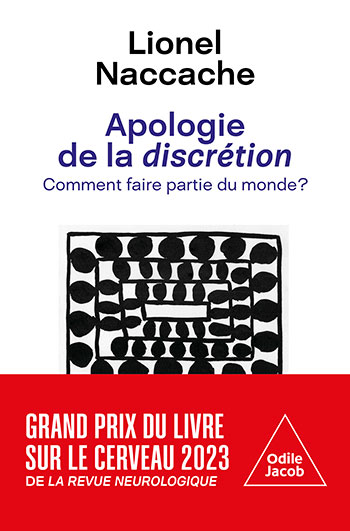
Lionel Naccache
An Apologia for Discretion What does it mean to be part of the universe in the 21st century?
In the great tradition of essays, the author draws on cognitive neuroscience and neurology, mathematics, physics, biology, philosophy, psychoanalysis, Judaism and literature.

John Dixon Hunt
The Art of the Garden and its History (Product of the Collège de France)
What can a garden reveal about ourselves and our culture ?
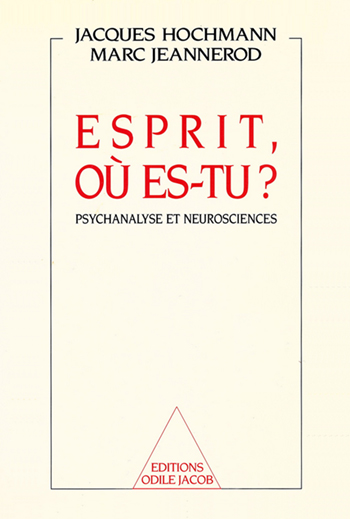
Jacques Hochmann, Marc Jeannerod
Is there anybody there ? Psychoanalysis and Neuroscience
For the first time, a psychoanalyst and a neurophysiologist have put their expertise together in order to progress in knowledge. The focus is rather on their ability to listen to each other, and their avoidance of concessions, than on individualistic, polemic arguments. Thus, important bridges are built between the two disciplines, which perhaps heralds the advent of another psychology. Jacques Hochmann is a professor of psychiatrics and a psychoanalyst. Marc Jeannerod is a professor of physiology and a neurophysiologist.
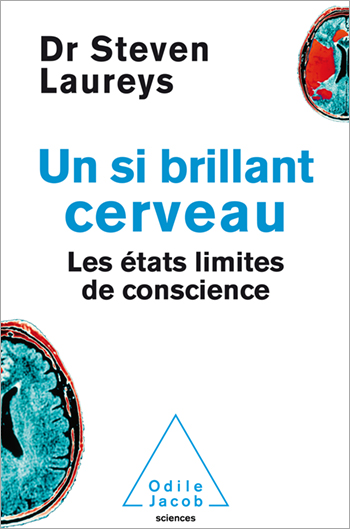
Steven Laureys
Such a Brilliant Brain The Boundaries of Consciousness
An engrossing book on states of consciousness and the workings of the brain, by one of the world’s top specialists
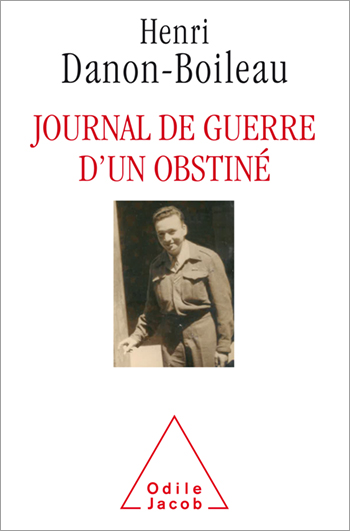
Henri Danon-Boileau
War Diaries of an Obstinate Man
An exemplary life: the itinerary of an exceptional man, from medical school to the Free French Forces

Martine Ohresser
Tinnitus - The Ringing of the Ears
Nearly 4 million people in France have suffered from ringing and whistling sounds in their ears, or 'tinnitus' to use the medical term. It is impossible to sleep, it is impossible to find silence. What are the causes and mechanics of these noises ? What are the therapeutic methods available to relieve the stress of tinnitus, and allow you to refind inner peace ? Martine Ohresser is an ear-throat-and-nose specialist and an otologist (a specialist in problems relating to hearing and balance). She is the founder of a centre for the functional exploration of hearing problems, in Paris.
Alain Ehrenberg
The Mechanics of Passions: The New Contemporary Individualism
The book’s very stimulating thesis: the twenty-first century will be the century of the brain and the neurosciences, which are already playing the role that psychoanalysis played in the twentieth century.
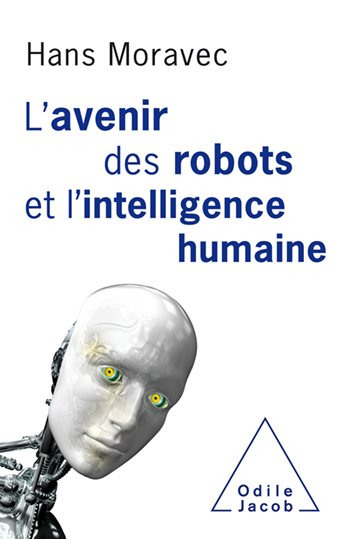
Hans Moravec
The future of robots and human intelligence
This visionary book describes the new world that is coming into being. A world of intelligent and autonomous robots...
Robert Rochefort
A Consumer Society
This book demonstrates how with households equipped and individuals saturated, consumption must respond to other, more immaterial needs. The new markets are those which can reassure people : healthcare, ecology, land, family and even solidarity.
Gilles Dufrénot, Anne Levasseur-Franceschi
Pandemics and Globalization Dangerous Liaisons?
A global approach to the interactions between economic and health phenomena favoring the notion of the public good over a conquest of markets
Alain Cassourra
The Wounds of the Soul When energy opens the way to healing
A contribution to the reflection on the art of osteopathic care.
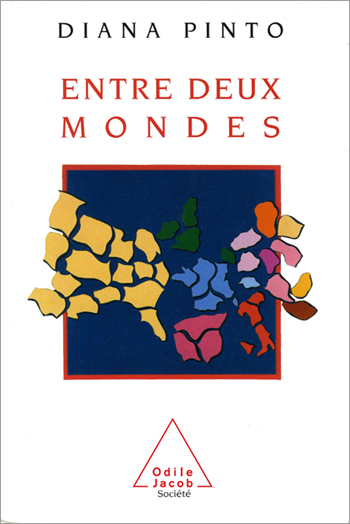
Diana Pinto
Between Two Worlds
How can the individual s identity solidify in today s multicultural context? D. Pinto's essay in comparative cultural history, written in the first person, is a sensitive and critical document in favor of an open Europe and a pluralistic society.
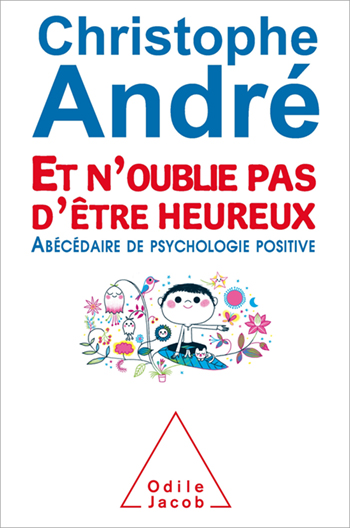
Christophe André
Don’t forget to be happy! The ABC of Positive Psychology
The keys to harmony with oneself

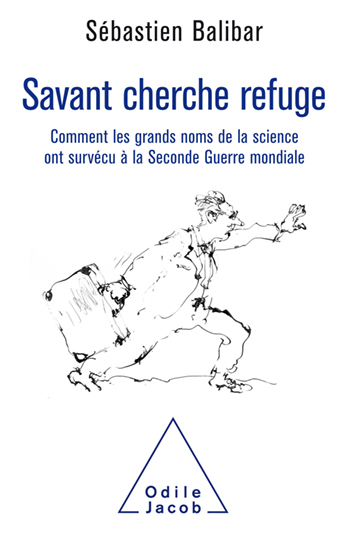
Sébastien Balibar
A Tormented Scientist
A key, virtually unknown, moment in the history of science.When science emigrates under pressure from totalitarianism.
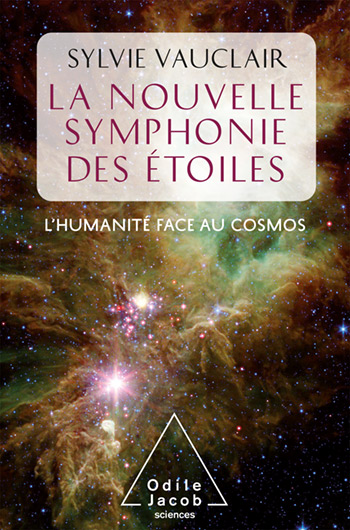
Sylvie Vauclair
The New Symphony of the Stars
A very accessible book written by an astrophysicist who deals with the questions and concerns of modern humans.
Philippe Kourilsky
A Game of Chance and Complexity
A fascinating history of the struggle for survival, which is central to our lives
Corinne Gal
Psychodrama: As Powerful an Experience as Life Itself
Psychodrama: an effective therapeutic method that is frequently used by psychiatrists and psychotherapists
Jean-Pierre Kahane
The Teaching of Mathematical Sciences
What should be the goals and the contents of the mathematics syllabus from primary school to university? What changes should be undertaken to accompany and prepare for future developments in science and technology? And how should the initial training, competitive recruitment and further education of maths teachers evolve and develop? This book is the fruit of several months work by a committee, presided by the mathematician Jean-Pierre Kahane, on the future of the teaching of mathematics.
Xavier Seron
The Lie
Based on the latest advances in research, notably in Anglophone countries. An approach that leans heavily on the neurosciences and looks at the cerebral foundation of lying.
Mathias Pessiglione
The Brain Has Its Reasons Which Reason Doesn’t Know
Momo Sapiens, or the brain caught in flagrante delicto of irrationality
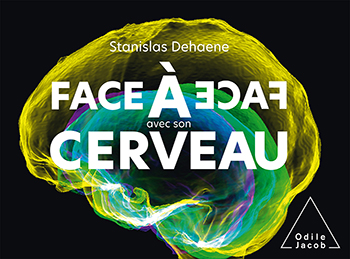
Stanislas Dehaene
Conquering the Brain
This book brings together exceptionally beautiful images (close to 100 [voir ci-dessus]), all full color, and the most current knowledge of the brain from research throughout the world.
Frédéric Charillon
A World of Influences Soft Power
An ambitious and convincing work that aims to present the new face of international relations.

Jean-Charles Jauffret
The Algerian War French Combatants and Collective Memory, an Enquiry
Who were the French soldiers who fought in the Algerian War of Independence (1954-62)?
David Spector
History of the Market Concept in France
An original point of view which runs counter to received ideas: the concept of the market is in a blind spot of leftist thinking, or even that of the French intellectual tradition. This book should be part of the debate as it provides historical insight on a crucial point of current disunity within the left and on its future.